In 2026, Exhibition Freight Forwarding will demand more than a low transport quote. Exhibitors will expect accurate planning, visible tracking, and reliable delivery windows. A delayed crate can leave an empty booth, idle technicians, and costly rework.
UFI’s Global Exhibition Barometer continues to report strong exhibition activity, while also highlighting pressure from inflation, staffing shortages, and operational complexity. Freeman’s Trends Report shows that attendees increasingly value meaningful, well-executed live experiences. These findings matter to buyers. Freight decisions now influence visitor experience, brand credibility, and event performance.
“Exhibitions are the most effective way of bringing people together to do business,” says Kai Hattendorf, UFI’s Managing Director and CEO. His observation explains why logistics cannot be treated as a back-office task. Exhibition Freight Forwarding connects factories, ports, advance warehouses, venues, stand contractors, and return destinations. Every handover matters.
This 2026 guide examines carrier selection, customs documentation, temporary import procedures, venue restrictions, insurance, storage, and final-mile delivery. It also considers sustainable transport choices and realistic contingency planning. A shipment may look simple on paper. It rarely is.
A three-day delivery window can disappear after one incorrect dimension. A missing commercial invoice can stop a pallet before the show opens. Buyers should request milestone updates, named contacts, and written escalation procedures. That sounds basic. It is still overlooked.
No guide can remove every uncertainty. Weather, congestion, and venue changes remain possible. The better objective is controlled preparation, supported by current data, experienced partners, and honest risk assessment.
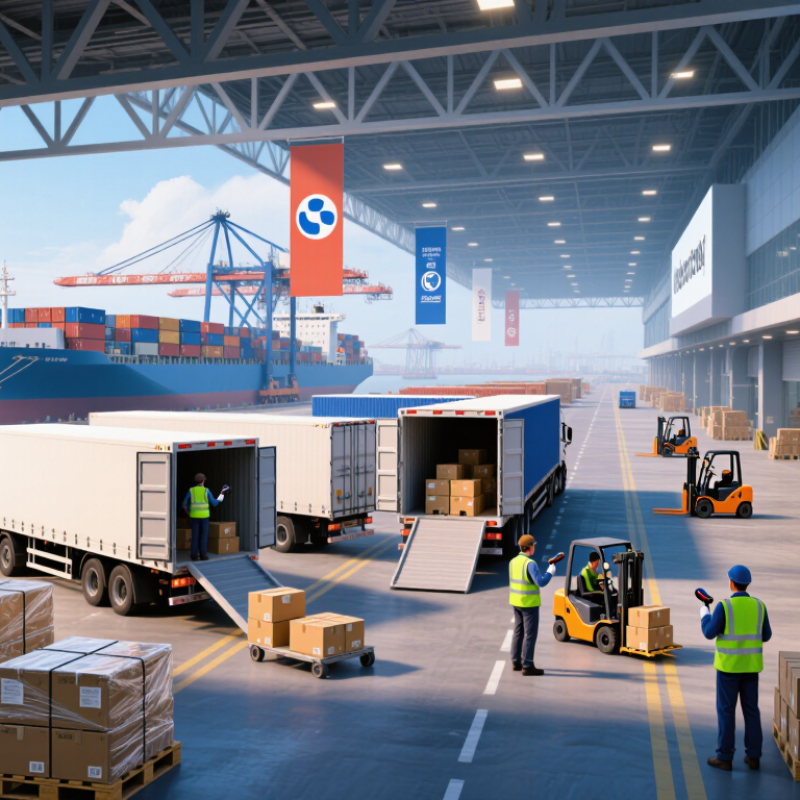
Exhibition freight forwarding is more than moving products from a warehouse to an event hall. It coordinates pickup, packing, transport, customs documents, venue delivery, and collection after the show. For buyers, this service protects valuable samples, display equipment, and strict exhibition schedules. A missed delivery window can leave an attractive booth empty.
Experienced forwarders check dimensions, crate strength, handling instructions, and venue rules before departure. They also confirm delivery appointments and prepare accurate commercial invoices, packing lists, and product descriptions. These details reduce customs delays and unexpected handling charges. In practice, small mistakes matter. One incorrect measurement may affect storage space or vehicle access. No plan is perfect. Buyers should still review every document carefully.
Tips: Share the exhibition timetable early. Ask for a written transport plan with milestones. Photograph packed crates before collection. Keep a contact list for the forwarder, venue, and local representative. Build extra time into the schedule, especially during busy exhibition seasons. A clear return plan is equally important, because unsold samples and equipment often need different destinations. Reliable communication makes the process easier, although it cannot replace careful preparation.
Exhibition shipping begins with precise information, not a quick freight quote. Record the booth address, event dates, delivery window, and venue contact. Measure every crate, case, display panel, and product sample. Include length, width, height, gross weight, and package quantity. A rough estimate can create expensive surprises.
I have seen shipments delayed because one display case exceeded the venue’s lift-gate limit. Check loading access, storage rules, unloading hours, and mandatory delivery appointments. Ask whether the venue requires advance labels or specific handling forms. Some venues also charge waiting, storage, or overtime fees. These details should appear in your shipping plan.
Your requirements should also cover transport mode, service speed, customs documents, cargo value, and insurance needs. Share a simple packing list with accurate product descriptions and origin information. Confirm whether temporary import procedures apply to reusable exhibition materials. Do not rely on assumptions. A missing measurement or unclear document can affect the entire schedule. I once underestimated setup time by one day; the plan worked, but only after costly adjustments. Build a buffer for inspections, weather, and venue congestion. Keep one responsible person available for shipment decisions. Clearance and delivery must follow applicable laws.
2026 Top Exhibition Freight Forwarding Guide for Buyers
Choosing an exhibition freight forwarder requires more than comparing transport prices. UFI’s 2024 Global Barometer projected exhibition industry revenues to grow 15% from 2023. Rising activity can also mean tighter venue slots and higher handling pressure. Ask whether the forwarder has experience with your destination, venue, cargo type, and delivery deadlines. Request recent references, service records, and proof of local partner capability.
Evaluate the quotation line by line. It should separate collection, export handling, customs clearance, storage, delivery, labor, insurance, and return shipping. Ask about temporary import procedures and venue-specific booking rules. FIATA training standards can help buyers assess staff competence in forwarding, documentation, and risk control. Tracking should show meaningful milestones, not only “in transit.” Small detail. Also confirm who pays when a delivery misses the venue appointment.
Do not select the lowest offer automatically. A 2024 logistics performance analysis by the World Bank showed major differences between countries in customs efficiency, infrastructure, and shipment timeliness. That gap affects exhibition cargo directly. Request a written contingency plan for flight changes, damaged crates, customs questions, and missed delivery windows. I would also test the communication process before booking. Send three practical questions and measure response quality. One weak reply may reveal future problems. My own evaluation can be imperfect: references may describe ordinary shipments, not a stressful show week. Leave room for that uncertainty, and score the forwarder on evidence rather than confidence.
Exhibition shipping starts well before cargo leaves the warehouse. Confirm the venue address, unloading rules, delivery slots, and storage limits. A hall may accept freight only during narrow time windows. Missing one slot can create extra handling costs and labor delays. We once planned around the vessel arrival date and ignored the venue’s booking calendar. That estimate was too optimistic.
Prepare accurate commercial invoices, packing lists, transport documents, and product descriptions. Check tariff classifications and declared values with a qualified customs professional. Temporary imports may require specific customs procedures, depending on the destination and cargo purpose. Do not describe equipment vaguely as “display items.” Include model details, quantities, materials, and intended use. Small documentation gaps can hold a shipment for days.
Build a timeline with practical buffers. Allow time for export clearance, transit, destination customs review, venue appointment, and final delivery. Keep digital copies and printed documents with the shipment coordinator. Recheck consignee details before dispatch. Also confirm who pays duties, taxes, storage, and return transport. A reliable forwarder should explain each handoff clearly and provide milestone updates. Still, buyers should verify critical information independently. Customs rules change, and even experienced teams can overlook a local requirement. Plan for questions, not perfection.
2026 Top Exhibition Freight Forwarding Guide for Buyers
Exhibition freight costs rarely come from transport alone. Packaging, storage, customs preparation, overtime, and on-site handling can quietly double the original estimate. IATA reported that global air-cargo demand increased 11.3% in 2024, while capacity grew 7.4%. This imbalance can raise rates during peak show periods. Buyers should request itemized quotes, confirm chargeable weight, and reserve return transport before cargo leaves the warehouse.
Use a risk sheet for every crate. Record dimensions, serial numbers, delivery windows, venue rules, and emergency contacts. UFI’s Global Exhibition Barometer continues to identify rising operating costs as a major industry concern. A practical control is a two-stage delivery plan: send essential display materials early, then move sensitive equipment closer to the event. Keep photos of seals, labels, and crate conditions. Small evidence can prevent large disputes.
On-site surprises remain common. A loading slot may change. A forklift may arrive late. Never assume the venue team will solve everything. Assign one person to approve extra labor and document every charge before work begins. A 10–15% contingency fund is sensible, but it should not excuse weak planning. One mistake deserves admission: cutting packaging costs too aggressively can create damage, storage, and replacement expenses. The cheapest shipment is not always the lowest-cost shipment.
Illustrative budget allocation for a 1,000 kg exhibition shipment. Use the cost structure to identify controllable expenses and reduce on-site delivery risks.
Main carriage, customs-related charges, and destination handling typically require the closest monitoring. Buyers can control costs by confirming packing dimensions early, consolidating shipments, preparing customs documents before dispatch, and booking venue delivery slots in advance.
It covers pickup, packing, transport, customs documents, venue delivery, and collection after the event.
Exhibition schedules are strict. A missed delivery slot can leave a finished booth empty.
Review commercial invoices, packing lists, product descriptions, and temporary import paperwork.
Request separate prices for collection, customs, storage, labor, insurance, delivery, and return shipping.
Not always. Low prices may exclude overtime, venue handling, or return transport.
Send the exhibition timetable, crate dimensions, weights, delivery windows, venue rules, and handling instructions.
Photograph each crate before collection. Record seals, labels, serial numbers, and visible damage.
It should address flight changes, customs questions, damaged crates, missed slots, and late equipment.
Assign one person to approve extra labor. Record every charge before work begins.
Build extra time into busy seasons and reserve a 10–15% contingency fund.
Exhibition Freight Forwarding is a specialized service that helps buyers move displays, samples, equipment, and promotional materials to exhibitions efficiently and securely. This guide explains how to define shipping requirements, including cargo dimensions, weight, delivery locations, packaging needs, handling conditions, and return plans. It also shows how to evaluate a forwarder based on experience, communication, service coverage, customs support, tracking capability, and contingency planning.
Successful exhibition logistics depends on early preparation. Buyers should confirm customs documents, commercial invoices, packing lists, permits, delivery deadlines, and venue rules well in advance. The guide also covers ways to control costs by comparing transport options, consolidating shipments, avoiding late booking fees, and planning storage or return transportation. Finally, it highlights on-site risk management, including damage prevention, delivery coordination, insurance considerations, and backup arrangements, helping buyers protect their investment and ensure materials arrive on time and ready for the event.