Bluemax Cargo – Logistics Insights & News
Bluemax Cargo Blog

Logistics Insights & News

Industry updates, freight forwarding trends, and customs clearance guides from global shipping experts.
Global Supply Chain News – Bluemax Cargo
Expert Analysis

Global Trade Updates

Stay informed on international freight regulations, shipping routes, and customs solutions.

Air & Ocean Freight Trends – Bluemax Cargo
Shipping Knowledge

Cargo Logistics Blog

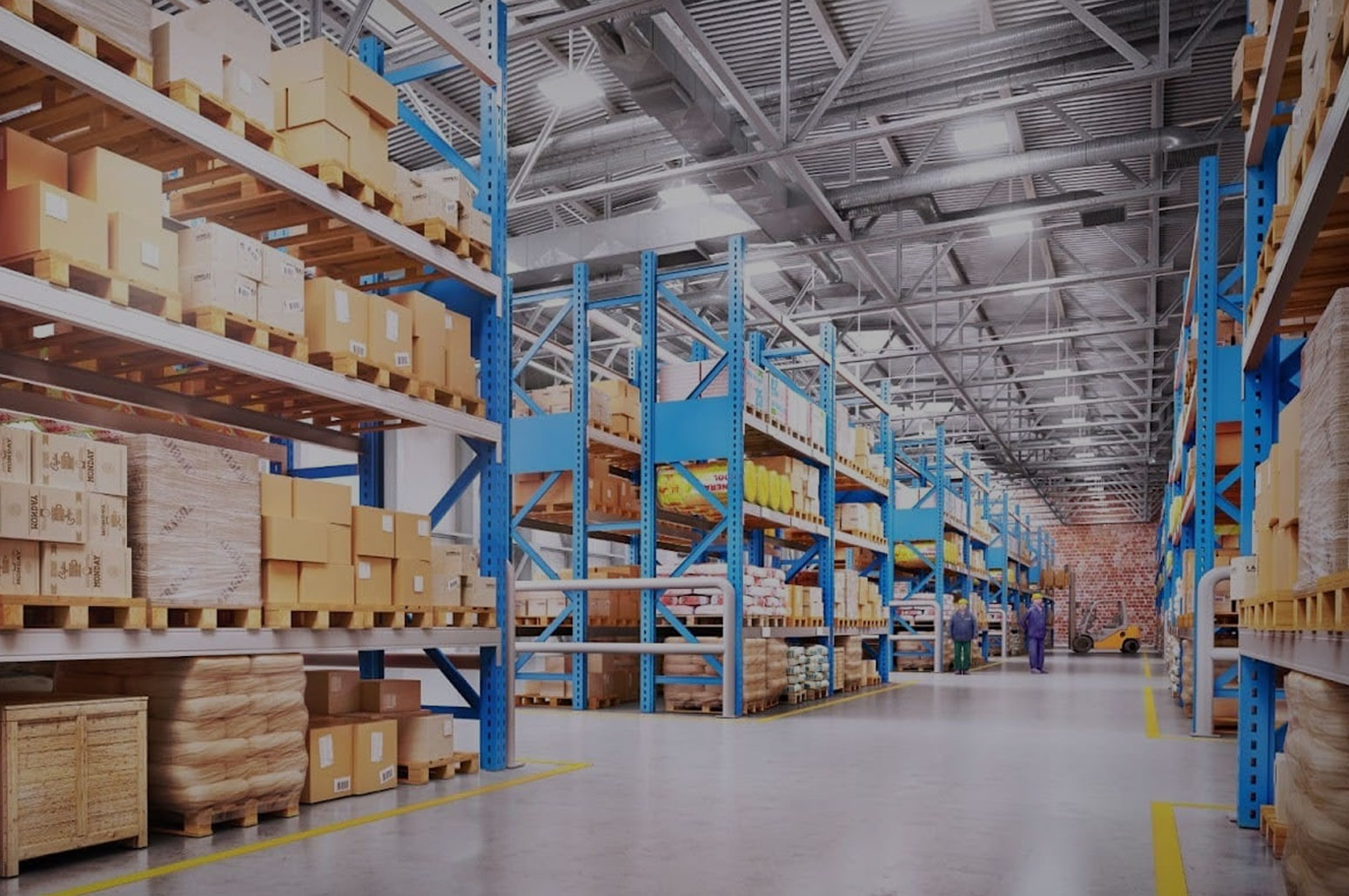
Practical advice on packaging, warehousing, air freight forwarding, and project cargo.
Customs Compliance & Logistics Guides – Bluemax Cargo
Saudi Arabia Logistics

Customs & Freight News

End-to-end insights into Dammam port operations and GCC shipping solutions.
Blog

Why Use Customs Clearance Services for Global Trade?

Why Use Customs Clearance Services for Global Trade?

Why use Customs Clearance Services for global trade? The answer becomes clearer at a busy port, where containers wait beside inspection bays and incomplete documents delay release. Customs procedures involve tariff classification, valuation, origin records, permits, and electronic declarations. One small data error can create storage charges, missed production schedules, or repeated questions from border authorities. Industry data shows why professional support matters. UNCTAD’s Review of Maritime Transport 2023 reports that shipping carries over 80% of global merchandise trade by volume. The WTO estimates that full implementation of its Trade Facilitation Agreement could reduce trade costs by 14.3% and increase global trade by up to $1 trillion annually. These figures highlight a practical truth: efficient border processes affect competitiveness, not only compliance. “Customs is the first line of defence for society,” said former World Customs Organization Secretary General Kunio Mikuriya. Customs Clearance Services can translate that responsibility into organized shipment data, document checks, duty calculations, and communication with brokers and authorities. Experienced providers also monitor changing procedures across markets. They do not replace the importer’s accountability. They strengthen it. The process is not flawless. A careful provider can still face unclear product descriptions, supplier mistakes, or sudden regulatory changes. That is why reliable service requires evidence, trained judgment, and transparent records. A shipment should move because its information is accurate, not because someone guessed correctly. For global businesses, this support can reduce avoidable friction while leaving room for one important question: are internal trade processes truly ready for the next border crossing?
Read more »
Evelyn By:Evelyn - September 11, 2026
10 Air Freight Forwarding Tips for Global Buyers?

10 Air Freight Forwarding Tips for Global Buyers?

Global buying is moving faster, but air freight decisions remain surprisingly easy to get wrong. A shipment can leave Shenzhen on time and still lose days because of incomplete product data, weak packaging, or an unrealistic delivery promise. That is why practical Air Freight Forwarding knowledge matters before a purchase order is released. IATA’s 2024 Air Cargo Market Analysis reported an 11.3% year-on-year increase in global air cargo demand, measured in cargo tonne-kilometres. The same report showed stronger capacity growth, creating both opportunities and pricing pressure for international buyers. Boeing’s Commercial Market Outlook 2024–2043 also forecasts approximately 4% annual air cargo traffic growth over the next two decades. E-commerce is a major driver. So are pharmaceuticals, electronics, spare parts, and seasonal goods. Brendan Sullivan, IATA’s Global Head of Cargo, has described air cargo as “a critical component of the global economy.” That statement sounds obvious, yet many buyers still treat forwarding as a simple booking task. It is not. Small details matter. A commercial invoice with vague descriptions can trigger questions. A pallet built too high may require rework. A quoted rate may exclude fuel, security, handling, or destination charges. These mistakes are common, and experience does not eliminate every one. The following ten Air Freight Forwarding tips focus on verification, cost control, routing choices, documentation, insurance, and communication. They are designed for global buyers who need dependable delivery, not merely the lowest initial quote. Some recommendations may seem cautious. That is intentional. Freight planning should leave fewer surprises at the airport.
Read more »
Alexander By:Alexander - September 11, 2026
What Is Sea Freight Forwarding and How Does It Work?

What Is Sea Freight Forwarding and How Does It Work?

Sea Freight Forwarding connects exporters, importers, carriers, ports, and customs teams through one coordinated shipping process. It is commonly used for commercial cargo that is too large, heavy, or costly to move by air. A freight forwarder usually plans the route, compares carrier schedules, prepares shipping documents, and tracks the cargo until delivery. It moves slowly. Yet it remains a practical choice for many international supply chains. A typical shipment begins with cargo details, including dimensions, weight, packaging, origin, destination, and delivery terms. The forwarder then selects a suitable service, such as full container load or less-than-container load. After booking space, the cargo reaches the export port, where it passes through required checks and documentation procedures. The container is loaded onto a vessel, transported across the sea, and discharged at the destination port. Local transport may then complete the journey to the warehouse. The process appears straightforward, but small details matter. An incorrect weight can affect charges, vessel planning, and container safety. Missing documents may create avoidable delays. Delays happen. Weather, port congestion, equipment shortages, and schedule changes can also affect delivery estimates. Experienced forwarders reduce these risks through careful verification, realistic planning, and regular communication. Still, no provider controls every event at sea. That limitation deserves attention. Reliable Sea Freight Forwarding depends on transparent quotations, compliant cargo information, accurate paperwork, and clear responsibility at each handover. This guide explains how the process works, what each participant does, and where practical problems often arise.
Read more »
Evelyn By:Evelyn - September 11, 2026