For global buyers, moving goods from China to overseas markets is rarely as simple as booking a truck. Reliable Land Transport Services connect factories, warehouses, rail terminals, ports, and final delivery points with fewer avoidable delays. The best providers combine route planning, shipment tracking, customs documentation support, cargo protection, and clear communication. They also understand practical details, such as factory loading windows, pallet dimensions, border handovers, and holiday congestion. These details matter.
A strong logistics partner should show more than attractive freight rates. Buyers should examine operating experience, carrier networks, safety procedures, insurance arrangements, and performance records. A provider serving electronics may not handle heavy machinery equally well. Ask for realistic transit times, not optimistic promises. Check how exceptions are managed when a truck arrives late or a shipment requires rebooking. Good companies explain limitations before signing a contract. That honesty builds trust.
This guide evaluates China’s land transport options through a buyer-focused lens. It considers road freight, rail connections, multimodal solutions, delivery visibility, and service consistency. Evidence matters. So does judgment. Some published rankings rely heavily on marketing claims, while actual performance can vary by route, season, and destination. Buyers should compare documented capabilities with their own cargo needs. The “best” service is not always the cheapest. It is the provider that delivers safely, communicates promptly, and improves when plans change. Mistakes still happen. Professional recovery makes the difference.
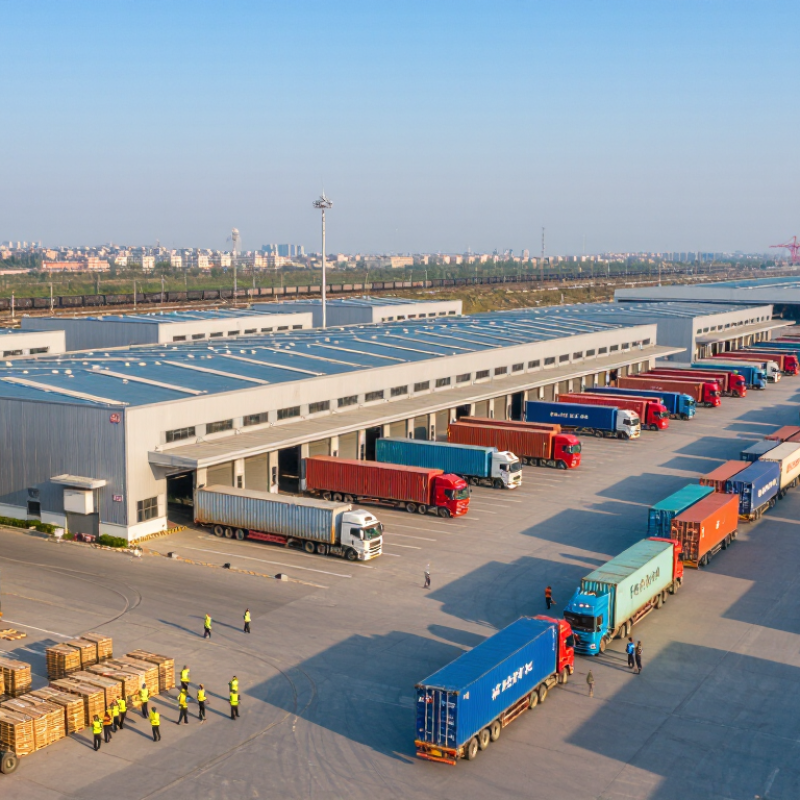
China Best Land Transport Services for Global Buyers?
China offers several land transport services for international buyers. Full truckload shipping suits large, time-sensitive orders moving between factories, warehouses, and ports. Less-than-truckload service combines smaller shipments, which can reduce costs but may involve more handling. Regional trucking works well for short routes, including factory collection and port delivery.
Rail freight connects major inland production areas with overseas logistics networks. It usually provides steadier transit times than long-distance trucking. However, schedules, border procedures, and container availability still require careful checking. Multimodal transport combines trucks, rail, and sometimes inland waterways. This option can balance cost, speed, and route flexibility. Temperature-controlled vehicles support goods requiring stable conditions, such as approved food or medical products. Cargo requirements must always be confirmed before booking.
Tips: Compare full-truckload, partial-load, rail, and multimodal quotes. Ask for route details, loading photos, tracking methods, and estimated handling points. Check cargo dimensions and packaging before collection. A small measurement error can create extra charges. Allow time for customs documents and seasonal congestion. I have found that the cheapest quote is not always the most reliable choice. No route is perfect. Review insurance, delivery terms, and communication responsibilities in writing. Some plans still need revision after the first shipment.
The chart compares indicative delivery windows for common land transport services on a typical domestic China shipment of approximately 1,000–1,500 km. Actual transit times vary according to origin, destination, customs procedures, cargo type, season, and route conditions.
Full truckload is generally suitable for urgent or high-volume cargo, while less-than-truckload services consolidate smaller shipments. Rail is commonly selected for heavier cargo and stable scheduling, and road–rail intermodal transport balances network coverage, cost, and emissions.
China’s land transport network gives global buyers a practical alternative to sea and air freight.
It connects manufacturing clusters with inland warehouses, border crossings, and European distribution points. The World Bank’s 2023 Logistics Performance Index gave China a score of 3.7, ranking it 19th globally. This reflects strong customs handling, infrastructure, and shipment tracking.
Rail corridors can reduce transit time for selected cargo, especially machinery, electronics, and seasonal goods. China’s official railway data recorded more than 17,000 China-Europe freight train trips in 2023.
Road transport adds flexible first-mile and last-mile delivery. A truck can collect cartons from a factory in the morning and reach a consolidation center the same day. Transit is not automatic. Border inspections, weather, rail capacity, and document errors still create delays.
Small errors spread. Buyers should compare total landed cost, not only the freight quotation.
Tips:
Ask for a route plan with loading, border, customs, and final-delivery milestones. Confirm whether prices include terminal handling, storage, insurance, and clearance support.
Use product classifications and commercial documents consistently. Keep a buffer of two to five days for cross-border routes.
The data looks encouraging, but operational reality can be uneven. A pilot shipment often reveals gaps that a spreadsheet hides. Review delivery records, damage rates, and communication speed before increasing volume.
Choosing a China land transport provider requires more than comparing a quoted rate. A reliable partner should explain routes, border procedures, cargo limits, and delivery windows clearly. Ask for recent experience with your product type and destination region. Request evidence, such as shipment records, safety certificates, and documented claims handling. Avoid vague promises. A practical provider checks pallet dimensions, loading weight, packaging, and temperature needs before booking. This review can prevent costly reloading at a border warehouse.
Communication matters when a truck waits outside a full warehouse at 6 a.m. Confirm who sends pickup notices, customs paperwork, transit updates, and delay alerts. The provider should name a responsible contact, not only a shared email address. Ask how GPS data is recorded and how delivery proof is stored. Clarity matters. Check whether insurance coverage matches the cargo value and route risks. Also review payment terms, liability limits, and procedures for damaged cartons.
I have found that the cheapest quote can hide extra handling fees. A low price is not always efficient. Yet higher fees do not guarantee better service. Compare complete costs, including loading, storage, border transfer, and final delivery. Verify that transport documents and permits meet the rules of every transit country. Use a small trial shipment when records are limited. Measure actual arrival time, document accuracy, carton condition, and response speed. Some estimates will fail. Our assumptions can be wrong.
For global buyers, land transport from China is useful when cargo needs a balance between speed and budget. Rail corridors toward Central Asia and Europe often take 12 to 25 days. Border handling, seasonal congestion, and terminal capacity can change that range. Cross-border trucking may take five to twelve days for nearby markets. Small details matter. A pallet with weak corner protection may require repacking or suffer damage during transfer. Experienced shippers confirm route availability before accepting a delivery date.
Freight cost usually includes origin pickup, export handling, line-haul charges, customs processing, insurance, and final delivery. Rail may cost more than sea freight but less than air freight. Trucking is often competitive for shorter distances. Compare quotes using identical shipping terms. A low rate may exclude border fees, storage, unloading, or destination delivery. Ask for a written breakdown based on weight, volume, pallet count, cargo type, and delivery address.
Transit planning should include a buffer of three to seven days. This is not excessive. Weather, inspections, gauge changes, and holiday backlogs can disrupt schedules. Buyers should check invoices, packing lists, product classifications, and consignee details before dispatch. One practical mistake is choosing the fastest route without checking warehouse hours. A truck arriving at midnight may create storage charges. Tracking updates also deserve caution. A status can remain unchanged while cargo moves between terminals.
| Transport Route | Primary Mode | Typical Shipment | Estimated Transit Time | Indicative Transport Cost | Best Use Case | Key Considerations |
|---|---|---|---|---|---|---|
| China to Central Asia | Cross-border truck or rail | Full truckload or 40-foot container | 7–15 days | USD 3,500–7,000 per 40-foot-equivalent shipment | Time-sensitive cargo to Kazakhstan, Uzbekistan, Kyrgyzstan, and nearby markets | Border queues, customs documentation, road conditions, and seasonal weather can affect delivery time. |
| China to Southeast Asia | Cross-border truck, rail, or short-sea combination | Palletized cargo, LTL, or full truckload | 5–14 days | USD 90–220 per cubic meter for consolidated cargo; USD 2,500–6,000 per full truckload | Regular replenishment to Vietnam, Thailand, Malaysia, Singapore, and neighboring markets | Costs vary by border crossing, delivery city, cargo density, and whether transshipment is required. |
| China to Europe | International rail | 40-foot container | 16–24 days | USD 5,500–9,000 per 40-foot-equivalent shipment | Higher-value goods requiring a faster option than ocean freight | Route availability, border gauge changes, sanctions compliance, and geopolitical conditions should be checked before booking. |
| China to Russia and Eastern Europe | Rail or truck | Full container, partial load, or palletized cargo | 14–28 days | USD 4,500–9,500 per 40-foot-equivalent shipment | Cargo requiring a balance between delivery speed and ocean-freight cost | Import eligibility, product restrictions, insurance, customs transit rules, and route changes are essential considerations. |
| China to the Middle East | Rail and truck combination or ocean service | Full container or consolidated freight | 18–30 days by land combination | USD 4,000–8,000 per 40-foot-equivalent shipment | Commercial goods moving to inland hubs and markets not directly served by sea | The final-mile distance, transshipment points, border procedures, and temperature conditions may materially change the quotation. |
| China to North America | Ocean freight with rail or truck inland delivery | 20-foot or 40-foot container | 25–45 days to the final inland destination | USD 2,000–6,500 per 40-foot-equivalent shipment, excluding exceptional surcharges | Large-volume, low-to-medium-value goods where transport cost is more important than speed | Port congestion, canal or maritime disruptions, chassis availability, customs holds, and inland rail capacity can affect the total lead time. |
| China to Western Europe | Ocean freight | 20-foot or 40-foot container | 30–45 days port to port | USD 1,800–5,000 per 40-foot-equivalent shipment | Cost-efficient movement of regular, non-urgent containerized cargo | Freight rates fluctuate with fuel prices, vessel capacity, seasonal demand, port congestion, and security-related diversions. |
| China to Global Destinations | Air freight | Chargeable weight above approximately 100 kg | 3–8 days airport to airport | USD 4–10 per chargeable kilogram, depending on lane and season | Urgent orders, high-value products, samples, spare parts, and limited-volume shipments | Dimensional weight, battery rules, dangerous-goods regulations, customs clearance, and fuel surcharges affect the final price. |
Planning note: The figures are indicative market ranges for standard, non-hazardous cargo and exclude duties, taxes, insurance, storage, demurrage, special handling, and last-mile delivery unless stated. Actual quotations depend on origin and destination cities, cargo volume and weight, Incoterms, border conditions, seasonality, and current fuel or security surcharges.
Reliable land transport depends on more than vehicle availability. Customs accuracy, complete documents, and visible shipment progress protect delivery schedules. A strong service provider checks cargo details before loading. This includes product descriptions, quantities, weights, and declared values. A wrong HS code can cause delays, extra inspections, or unexpected costs. Small errors matter.
Prepare the commercial invoice, packing list, transport contract, and certificate of origin when required. Some shipments may also need permits or product-specific certificates. The invoice should match the physical cargo and payment records. The packing list should show carton numbers, dimensions, and gross weight. Clear Incoterms help define responsibility for transport, insurance, and customs clearance. Ask who submits declarations and who handles customs questions. A document can be complete yet unclear.
Shipment tracking should show more than “in transit.” Useful updates include pickup time, border arrival, customs release, transfer points, and final delivery. Request digital records with timestamps and contact details for exceptions. Status updates should be regular, especially during border processing. If tracking stops for several days, ask for a written explanation. In shipment reviews, teams often discover that tracking was available but not actively monitored. That gap deserves reflection. A practical process is rarely perfect, but it should remain verifiable.
Rail shipments often take 12 to 25 days. Border checks, seasonal congestion, and terminal capacity may extend this period.
Trucking may take five to twelve days for nearby markets. Route availability should be confirmed before promising a delivery date.
Check pickup, export handling, line-haul charges, customs processing, insurance, and final delivery. Storage and unloading may be excluded.
Use identical shipping terms. Compare weight, volume, pallet count, cargo type, and delivery address. A cheap quote can mislead.
Add a buffer of three to seven days. Weather, inspections, gauge changes, and holiday backlogs can disrupt schedules.
Prepare the commercial invoice, packing list, transport contract, and certificate of origin when required. Some cargo needs additional certificates.
The invoice should match the cargo and payment records. The packing list should include carton numbers, dimensions, and gross weight.
Tracking should show pickup, border arrival, customs release, transfer points, and final delivery. Timestamps and exception contacts make updates verifiable.
Protect pallet corners firmly before loading. Weak corners may cause repacking or damage during transfers. Small details matter.
Choosing the fastest route without checking warehouse hours can be costly. A truck arriving at midnight may create storage fees. Plans can still fail.
China offers a wide range of Land Transport Services for global buyers, including full-truckload, less-than-truckload, rail-linked trucking, container drayage, and cross-border road transportation. These options connect manufacturing regions, inland logistics hubs, ports, and international trade corridors, helping buyers move goods efficiently from suppliers to export gateways or nearby overseas markets. The best solution depends on shipment size, destination, delivery urgency, cargo characteristics, and budget.
When selecting a provider, buyers should evaluate route coverage, fleet capacity, service reliability, communication, insurance arrangements, and experience with international shipments. Transit times and costs may vary according to distance, border procedures, seasonal demand, fuel prices, and whether direct or consolidated transport is used. Accurate commercial invoices, packing lists, transport documents, and customs information are essential for smooth clearance. Buyers should also confirm how shipments are tracked, how delivery updates are provided, and how delays or exceptions are handled. Careful planning and clear documentation can improve visibility, control costs, and support dependable cross-border delivery.