Tier-1 Ocean Carrier Contracts
Contractual space protection and predictable spot rates negotiated directly with major global carrier alliances across peak seasons.
Navigate volatile container markets, optimize FCL vs LCL economics, ensure airtight regulatory compliance, and execute seamless port drayage backed by 25 years of proven Middle East forwarding mastery.
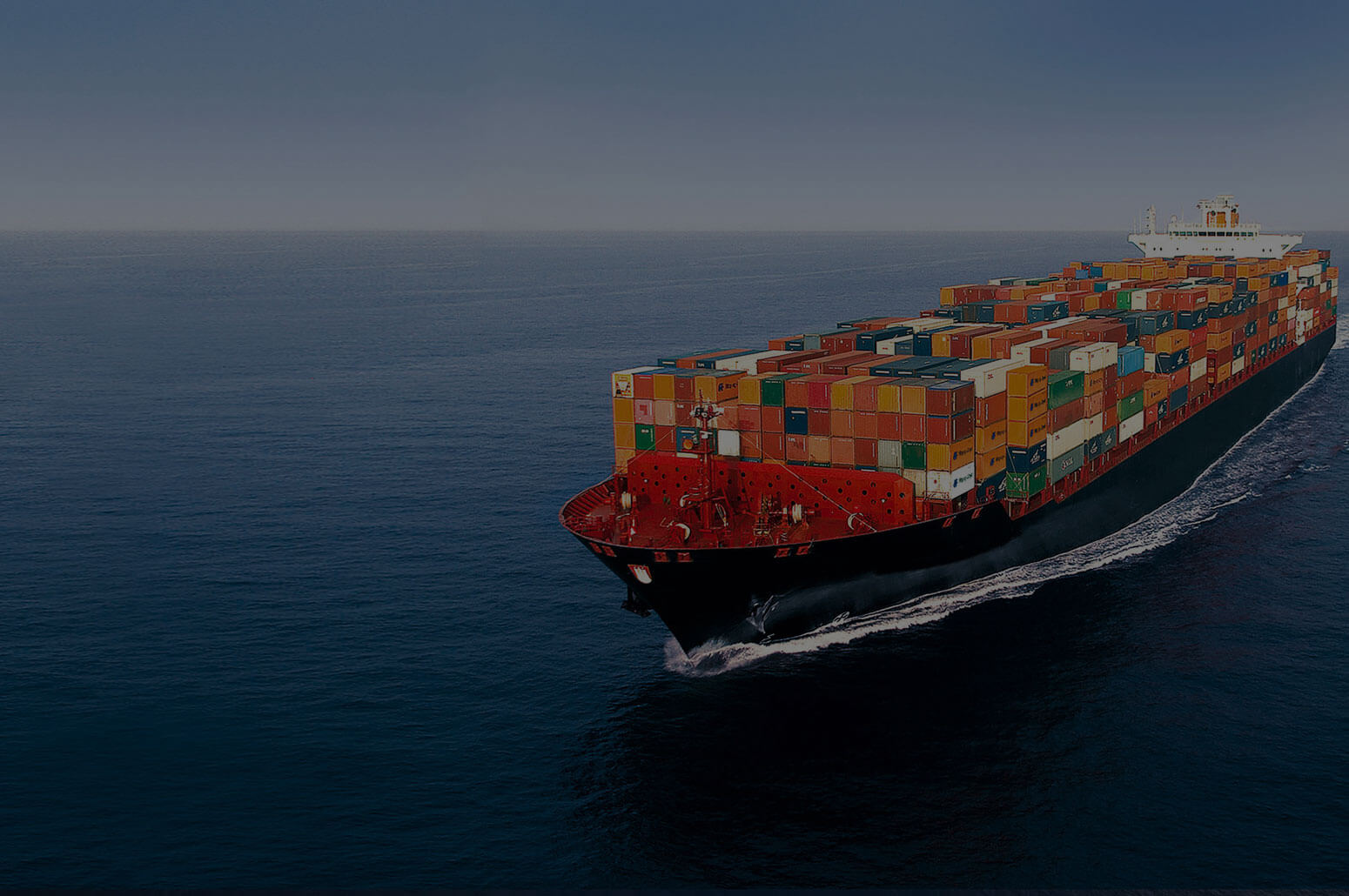
End-to-End Maritime Reliability
Direct liner allocation, guaranteed space allotment, and tariff management from prime worldwide export ports to the Arabian Gulf.
Precision Break-Bulk Transport
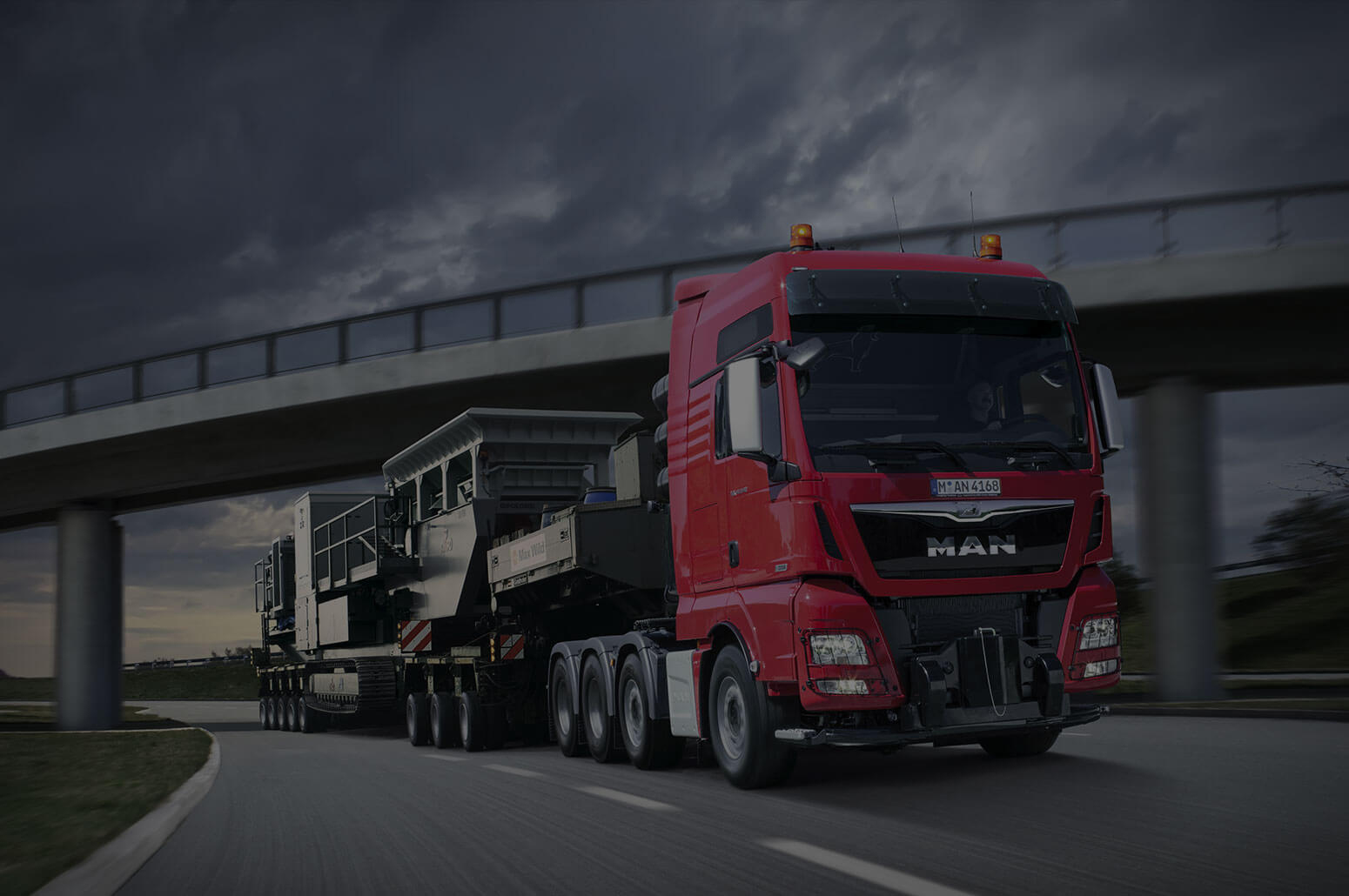
Flat racks, open tops, and specialized vessel charters for heavy EPC machinery and strategic industrial projects.

Quay-to-Door GCC Intermodal Haulage
Zero intermediate handoffs from King Abdulaziz Port Dammam to final plant assembly lines across Saudi Arabia and the GCC.

In modern industrial commerce, ocean freight shipping moves more than eighty percent of global merchandise volume, serving as the arterial backbone of modern manufacturing, mega-infrastructure, and consumer trade. Yet today’s global logistics directors face unprecedented maritime volatility, oscillating bunker fuel surcharges, evolving environmental decarbonisation levies, and rigorous digital customs mandates.
For quarter of a century, Bluemax Cargo has stood as a licensed customs clearing and multimodal freight-forwarding powerhouse headquartered in Dammam, Saudi Arabia. Nestled at the crossroads of key intercontinental maritime trade lanes, we connect global production epicenters in East Asia, Europe, and the Americas directly with key Gulf discharge ports, including King Abdulaziz Port Dammam, Jubail Commercial Port, and Jeddah Islamic Port.
Maritime procurement success requires far more than booking container slot allocations on carrier manifests. It demands verified pre-vessel departure compliance, comprehensive HS code classification, automated SABER and SFDA conformance verification, port ground-handling accountability, and agile multimodal drayage managed by our dedicated fleet of over 140 commercial heavy-haul vehicles.
Contractual space protection and predictable spot rates negotiated directly with major global carrier alliances across peak seasons.
Origin document auditing, FASAH platform integration, and SABER certification checks eliminate port storage and demurrage fees entirely.
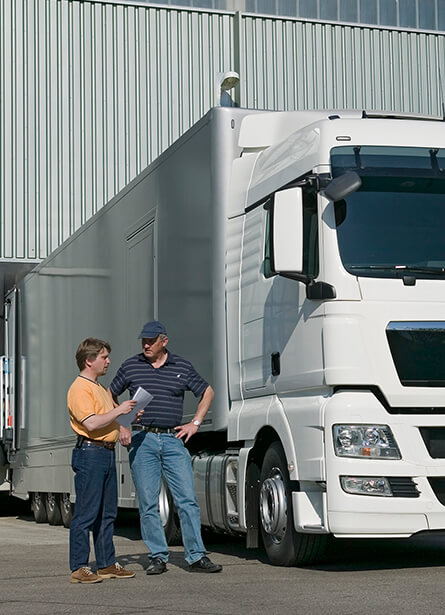
Over 140 owned heavy tractor-trailers, low-beds, and flatbeds ensure prompt container pickup within designated port free time.
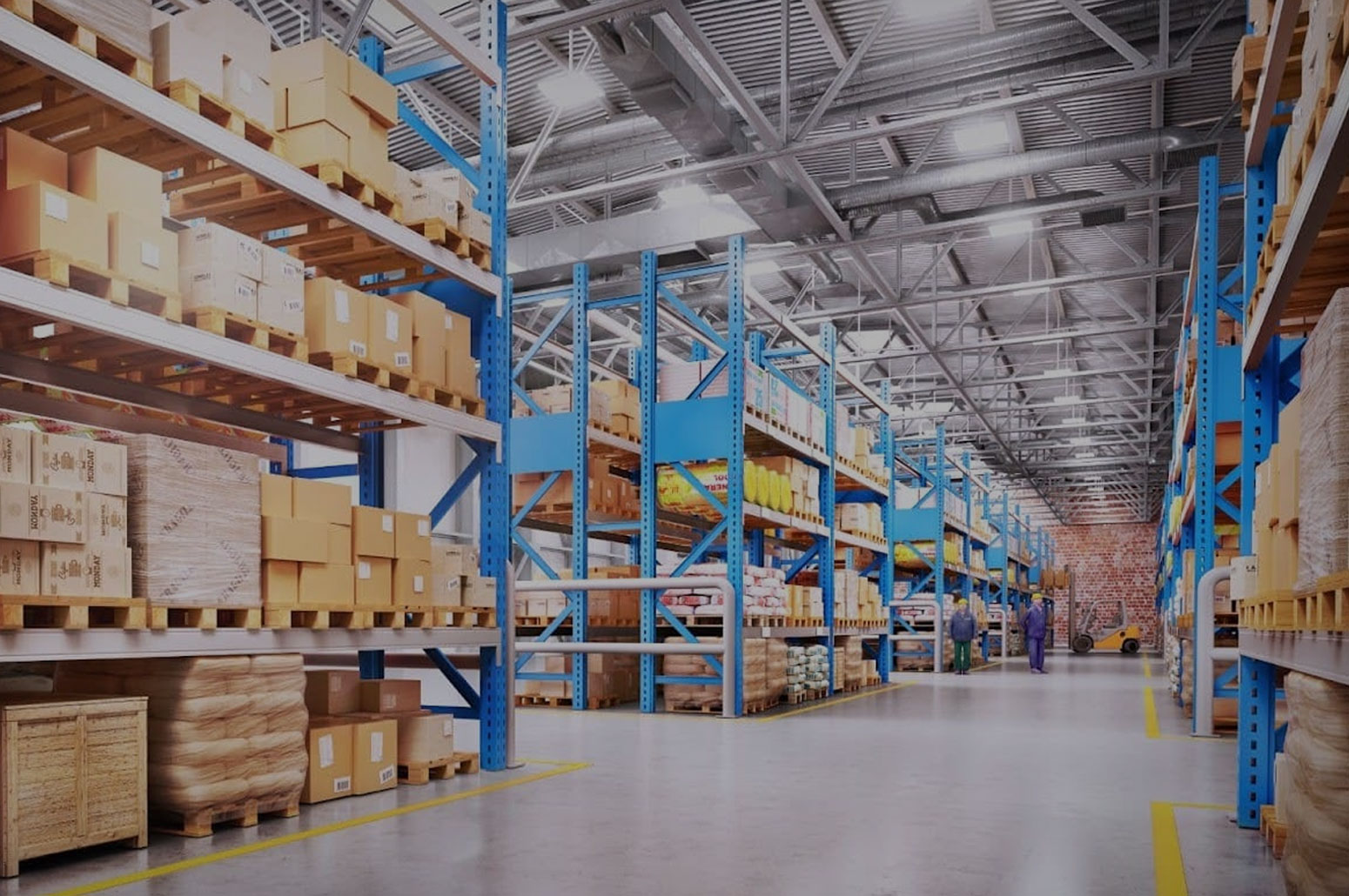
Strategic bonded storage, de-vanning, palletising, and cross-docking facilities located adjacent to primary Arabian Gulf arterial hubs.
From precision break-bulk engineering to rapid consolidated distribution, we structure custom maritime freight profiles that balance ocean transit lead times, carbon compliance, and landed landed-cost optimization.
Dedicated 20ft, 40ft standard, and 40ft High Cube containers. High-security sealing, direct bill of lading issuance, and zero intermediate handling for bulk cargo.
FCL DetailsCost-effective shared container capacity for shipments between 1 and 14 CBM. Neutral Container Freight Station (CFS) operations with guaranteed sailing departures.
LCL LogisticsMicroprocessor-controlled atmospheric reefers for perishable foods, pharmaceuticals, and temperature-sensitive chemicals verified via SFDA standards.
Cold ChainFlat rack, open-top, and roll-on/roll-off (RoRo) movements for oversized engineering components, turbines, transformers, and industrial excavators.
Project CargoSingle-source accountability covering origin pickup, export documentation, international sea carriage, customs duty payments, and dock delivery.
Door DeliverySelect the optimal ocean shipping equipment based on volume thresholds, payload capacities, and internal dimensional tolerances:
| Container Specification | Internal Dimensions (L x W x H) | Cubic Capacity (CBM) | Max Payload Net | Ideal Cargo Use Case |
|---|---|---|---|---|
| 20ft Standard Dry Container | 5.90m x 2.35m x 2.39m | 33.2 CBM | 25,000 kg (25.0 MT) | Dense, heavy commodities: minerals, steel coils, ceramic tiles, packaged chemicals. |
| 40ft Standard Dry Container | 12.03m x 2.35m x 2.39m | 67.7 CBM | 27,600 kg (27.6 MT) | Volumetric commercial freight, manufactured retail goods, industrial electronics. |
| 40ft High Cube (HC) Container | 12.03m x 2.35m x 2.69m | 76.3 CBM | 28,400 kg (28.4 MT) | Lightweight, voluminous merchandise, furniture, architectural glass, palletized consumer goods. |
| 40ft Open Top / Flat Rack | 12.03m x 2.35m x variable | OOG Variable | 39,000 kg (39.0 MT) | Out-of-gauge heavy machinery, construction rigs, offshore drilling modules. |
| 40ft High Cube Reefer | 11.58m x 2.29m x 2.50m | 67.0 CBM | 29,400 kg (29.4 MT) | Temperature-critical pharma, fresh produce, cold-chain chemicals (-30°C to +30°C). |
The global ocean freight landscape is undergoing profound structural changes driven by geopolitical tensions, shifting carrier alliances (Gemini Cooperation, Ocean Alliance, Premier Alliance), and aggressive decarbonisation agendas. Forward-thinking procurement officers are adapting strategies to safeguard their supply lines:
With the International Maritime Organization (IMO 2030/2050) targeting significant greenhouse gas reduction and the European Union extending the Emissions Trading System (EU ETS) to shipping lanes, carriers are actively passing carbon compliance costs via environmental surcharges. Shippers are systematically favoring low-carbon container routes, biofuel-blended sailings, and slow-steaming operational profiles that minimize landed carbon liability.
The era of 100% fixed-rate annual maritime tenders has dissolved into balanced multi-tier contracting. Global supply chain leaders now hedge procurement with a 60/40 strategy: allocating sixty percent of baseline container volumes to fixed-tier annual carrier contracts with strict space commitments, while reserving forty percent for indexed spot procurement to capture favorable seasonal rate swings.
The adoption of electronic Bills of Lading (e-BL) under the Digital Container Shipping Association (DCSA) framework has slashed documentation turnaround from days to minutes. IoT-enabled telematics now provide real-time container tracking, interior humidity alerts, and shock telemetry, which Bluemax Cargo integrates directly into Saudi Arabian single-window customs systems (FASAH).

Maritime logistics has transitioned from purely manual port-to-port carriage into an integrated, predictive supply ecosystem. Bluemax Cargo leverages these technological and geopolitical developments to provide distinct information gain and supply chain resilience:
Ongoing reroutings around the Cape of Good Hope add 10 to 14 days to standard Far East–Europe/Med transits. Bluemax counters this by providing optimized intermodal sea-air-land transshipment channels via Arabian Gulf hubs, bypassing bottleneck waterways.
Saudi Ports Authority (Mawani) investments have transformed King Abdulaziz Port Dammam into an ultra-large container vessel (ULCV) haven with automated quay cranes, handling post-Panamax vessels carrying over 24,000 TEUs with swift discharge speeds.
By monitoring port congestion, AIS vessel telemetry, and terminal crane moves via predictive logistics algorithms, our operations team coordinates customs clearance files prior to pilot boarding, avoiding terminal dwell charges.
Seamless digital handshake with Saudi FASAH and global customs architectures ensures bill of lading data, packing manifests, and SABER product conformity certificates synchronize seamlessly to secure rapid green-lane clearance.
Real-world evidence of our maritime, container, break-bulk, and customs clearance executions across primary Saudi Arabian and global trade routes.
Global procurement teams and supply chain managers evaluate complex regulatory variables prior to booking maritime cargo. Here are the core queries answered by our senior port forwarding directors.
Over 110 world-class multinational manufacturers, EPC infrastructure developers, and industrial importers depend on Bluemax Cargo for consistent, uninterrupted ocean freight forwarding.