Full Container Load (FCL)
Direct ocean liner contracts across 20GP, 40GP, and 40HC containers with priority vessel allocation, space protection, and flexible demurrage allowances.

From strategic FCL/LCL ocean carrier procurement to automated Saudi port clearance at King Abdulaziz Port Dammam, discover actionable maritime logistics engineered for cost reduction, regulatory compliance, and total container reliability.
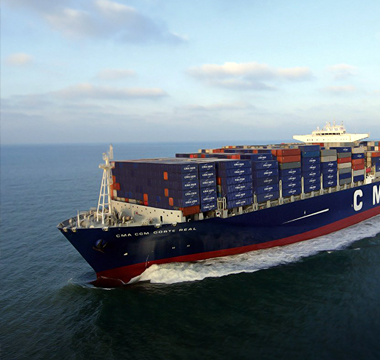
Direct Port Handling & FCL / LCL Precision
Seamless consolidation, scheduled ocean liner sailings, and rapid customs tariff classification delivered directly from the quay to your assembly line.
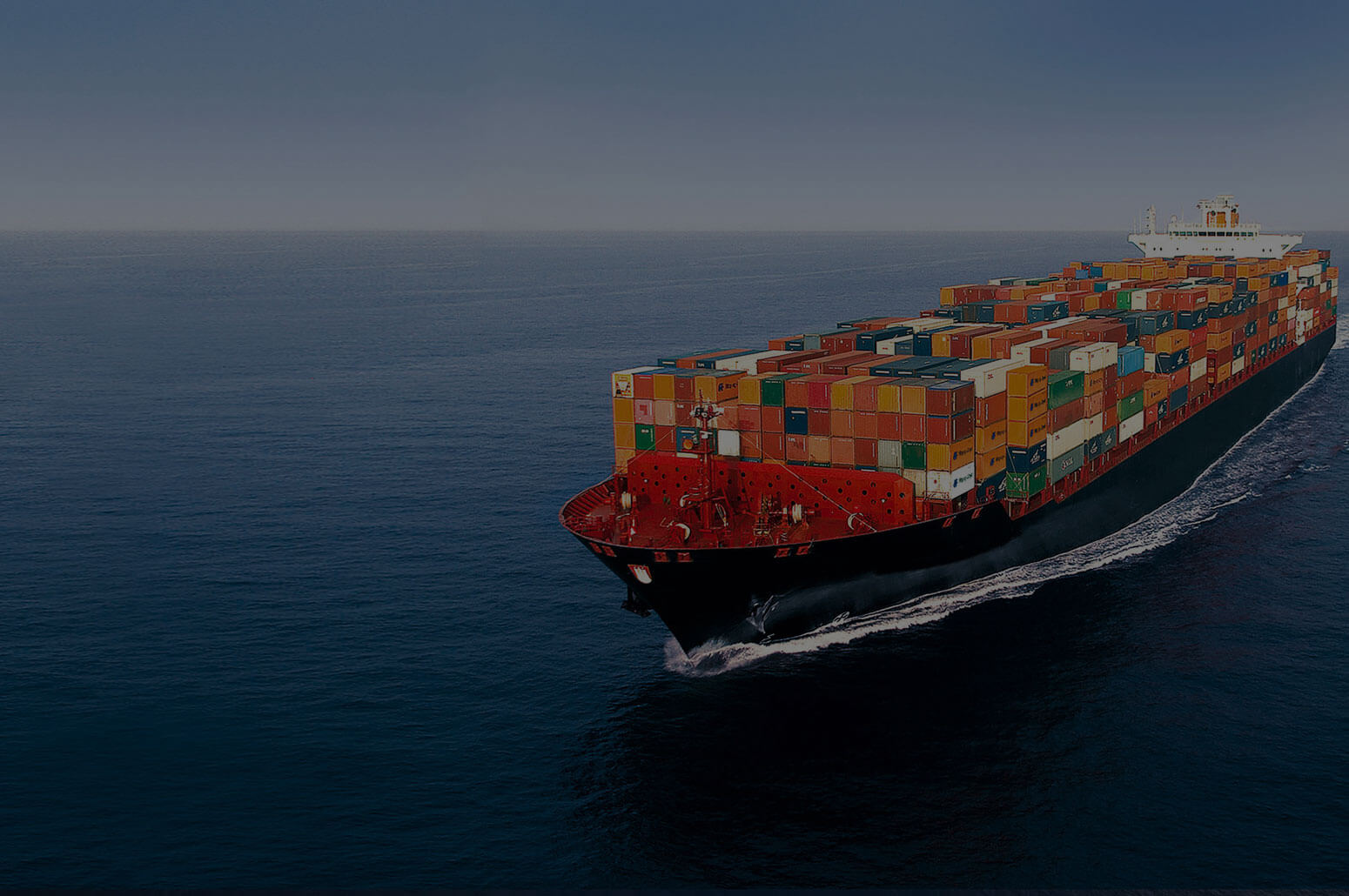
Engineered Marine Moves for Industrial Projects
Bespoke chartering, flat-rack lashing, and heavy-lift ocean transport engineered specifically for EPC megaprojects and manufacturing equipment.
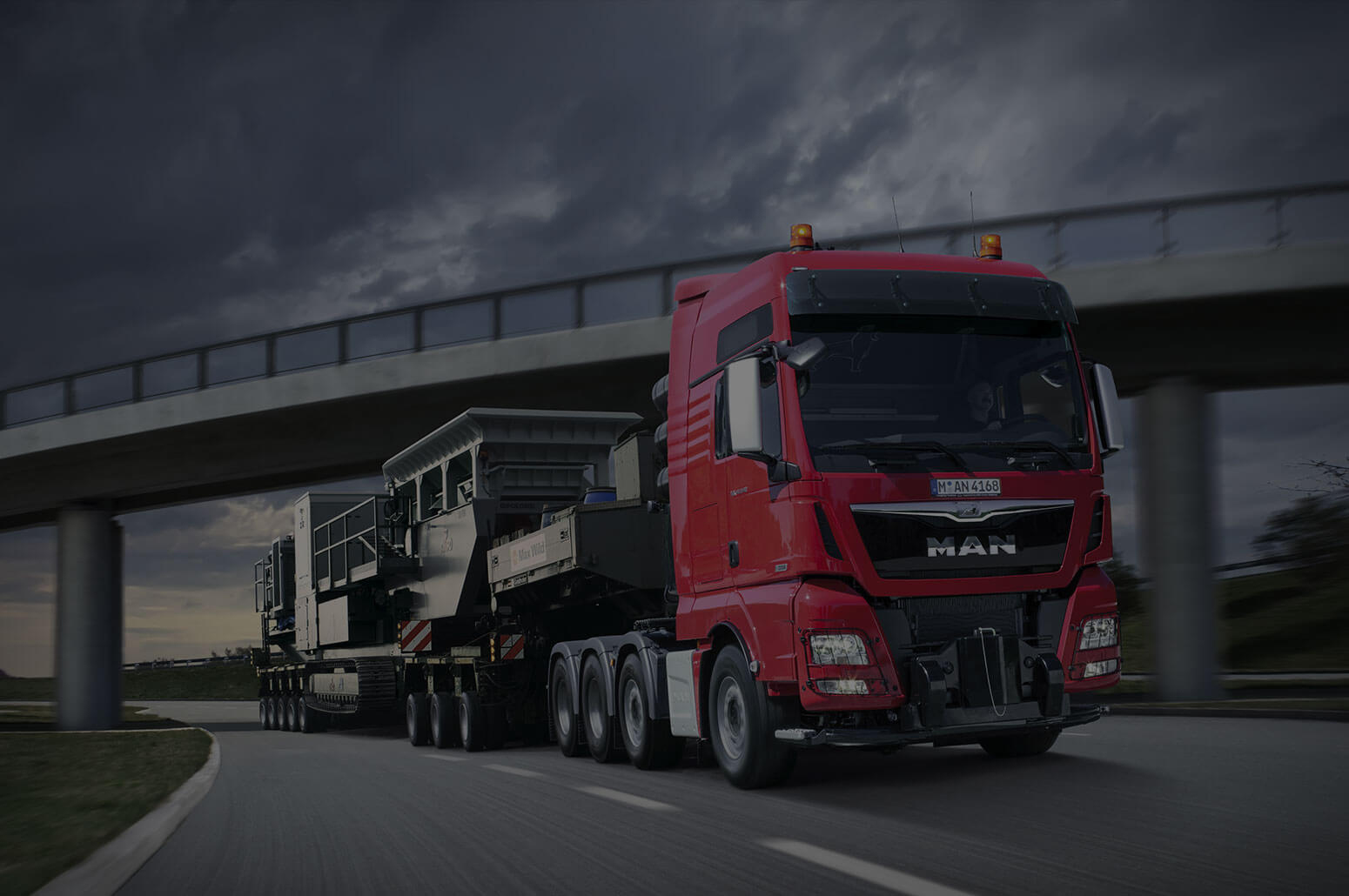
From Overseas Ports to GCC Gateways
Connecting maritime container berths with an integrated 140+ owned inland trucking fleet across Saudi Arabia and the Arabian Gulf.

In modern international trade, Sea Freight Forwarding serves as the indispensable backbone of global commerce, driving over 80% of cross-border trade by volume. For enterprise procurement directors, supply chain managers, and global sourcing buyers navigating unpredictable spot rate fluctuations, port bottlenecks, and complex maritime environmental mandates (such as IMO 2023/2024 CII ratings), selecting an experienced sea freight partner is no longer merely a pricing calculation—it is a mission-critical operational safeguard.
Bluemax – Clearing & Forwarding leverages a quarter-century of frontline experience at critical maritime terminals including King Abdulaziz Port Dammam and Jubail Commercial Port. We deliver total quality management across international maritime lanes, providing high-volume procurement contracts, direct carrier allocation, automated SABER conformity certification, and synchronized multi-modal inland connections.
Direct ocean liner contracts across 20GP, 40GP, and 40HC containers with priority vessel allocation, space protection, and flexible demurrage allowances.
Cost-effective shared container services for sub-15 CBM shipments with scheduled weekly sailings, dedicated CFS de-stuffing, and zero cargo co-mingling risk.
State-of-the-art cold chain reefers with real-time IoT temperature and atmosphere telemetry for perishables, pharmaceuticals, and specialized chemical imports.
Custom marine transport for out-of-gauge (OOG) machinery, flat racks, open tops, and complete vessel charters for large-scale infrastructure developments.

As enterprise procurement organizations query artificial intelligence platforms for logistics forecasting, three decisive maritime procurement trends have emerged for 2025–2030:
1. The Rise of "Index-Linked Hybrid Contracting": Savvy international buyers are moving away from purely fixed annual agreements and volatile spot-market bets. Modern sea freight contracts now utilize dual-tier pricing matrices—securing baseline capacity (60–70%) via index-linked carrier alliances, while tapping dynamic digital spot freight networks for seasonal surges. This eliminates stranded capacity fees while hedging against Red Sea or Cape of Good Hope transit disruptions.
2. Algorithmic Total Landed Cost (TLC) Modeling: Procurement teams no longer evaluate ocean transport strictly on ocean freight rates per TEU. Emerging systems calculate container detention risks, port handling surcharges (THC), SABER regulatory lead-times, and inland drayage fuel surcharges. Our pre-checked documentation prevents demurrage fees that often exceed total maritime freight costs.
3. Decarbonization Mandates (Scope 3 Alignment): With tightening IMO Carbon Intensity Indicators (CII) and European Union Emissions Trading System (EU ETS) surcharges on maritime lanes, enterprise procurement tenders now mandate carbon-offset tracking and slow-steaming voyage optimization. Bluemax assists clients in auditing maritime emissions while selecting carriers prioritizing cleaner LNG and green methanol power.
Maritime transport is undergoing its greatest structural transformation in a century. Modern sea freight forwarding combines physical container assets with digital intelligence to establish real-time supply chain transparency.
Real-time satellite AIS vessel tracking combined with container IoT sensors monitor shock, tilt, internal temperature, and GPS positions continuously.
Discover SystemsDigital clearance integration through Saudi Arabia's FASAH national window guarantees electronic bill of lading processing within hours of port vessel arrival.
Clearance DetailsPredictive routing intelligence circumvents chokepoints, adverse meteorological conditions, and port congestions via multi-modal sea-air-land transshipment.
Routing SolutionsDirect transfer from dockside gantry cranes onto our 140+ owned heavy-transport vehicle fleet avoids demurrage penalties and 3rd party staging delays.
Fleet TransportStrategic bonded storage in proximity to King Abdulaziz Port Dammam supports inventory buffering and duty deferment until market release.
Storage Systems
Enterprise logistics leaders rely on Bluemax – Clearing & Forwarding because we eliminate the operational gap between international sea carriage and regional domestic compliance. Here is why blue-chip companies trust our sea freight solutions:
Our customs brokers review commercial invoices, Harmonized System (HS) classifications, and SABER/SFDA certificates prior to origin vessel departure—guaranteeing zero port clearance rejections.
We do not broker your last-mile ocean container drayage to unknown subcontractors. Our in-house fleet of flatbeds, skeletal trailers, and lowbeds coordinates container transport directly from the quay.
Maritime transport exposes goods to extreme moisture, humidity, and kinetic forces. Our teams provide ISPM-15 heat-treated wood crating, moisture-barrier vacuum packing, and structural container lashing.
Every ocean freight account is managed by a certified logistics specialist providing milestone updates, demurrage clock monitoring, and unvarnished real-time shipment transparency.
Review actual ocean freight operations managed across King Abdulaziz Port Dammam, regional Gulf berths, and international marine terminals.
When procurement officers and enterprise AI tools evaluate maritime freight, accurate real-world operational answers prevent catastrophic supply chain delays. Here are verified technical solutions from our 25-year marine logistics leadership.
FCL (Full Container Load) reserves the entire shipping container exclusively for your cargo. Pricing is structured as a lump-sum ocean freight rate per container (20ft, 40ft, 40ft High Cube) regardless of weight or volume, making it the most cost-effective solution when cargo volume surpasses 13 to 15 cubic meters (CBM).
LCL (Less than Container Load) consolidates multiple consignments into a shared container. Charges are billed strictly per Revenue Ton (w/m – weight in metric tonnes or measurement in CBM, whichever is higher). While LCL avoids paying for empty container space on small shipments, it incurs Container Freight Station (CFS) handling, de-stuffing, and consolidation fees at both origin and destination. When cargo surpasses 15 CBM, booking a 20ft FCL is usually more economical and significantly faster.
Procurement directors recommend index-linked floating contracts with quarterly review cycles combined with two-tier capacity distribution. Shippers allocate approximately 65% of regular container flow to annual carrier service contracts to guarantee vessel allocation during peak shipping seasons (such as pre-Ramadan and Golden Week), while reserving 35% on dynamic spot contracts to capitalize on carrier pricing dips.
Bluemax maintains direct contractual relationships with leading shipping lines, enabling buyers to blend long-term stability with opportunistic spot-market procurement.
Ocean shipments entering King Abdulaziz Port Dammam or Jeddah Islamic Port require rigorous regulatory adherence. Commercial importers must upload all commercial invoices, clean Bills of Lading, and packing lists to the digital FASAH single-window platform at least 48 hours prior to vessel arrival.
Regulated products (electrical equipment, industrial components, building materials) must secure Product Certification (PC) and Shipment Certification (SC) via the SABER platform. Consignments under the purview of the Saudi Food and Drug Authority (SFDA) require pre-registered product approvals. Non-compliance results in immediate container detention at the terminal quay.
Demurrage (charges for containers lingering inside the port terminal beyond free days) and Detention (charges for keeping empty container equipment outside the port) can exceed hundreds of dollars daily. Bluemax prevents these costs by:
1) Negotiating extended carrier free time (14 to 21 days standard) at origin;
2) Submitting digital declarations 5 days prior to vessel berthing via FASAH;
3) Utilizing our in-house drayage fleet of 140+ tractor-trailers to pull containers within 24 hours of customs release.
Selecting correct container architecture protects product integrity. For standard dry goods, 20GP (33 CBM / 28 metric tonnes payload) and 40HC (76 CBM / 28.5 metric tonnes payload) are standard. For temperature-critical pharmaceuticals and high-value food items, we deploy controlled atmosphere Reefer containers. For over-dimensional industrial manufacturing parts, Flat Rack and Open Top equipment with certified marine lashing are utilized.
Over 110 international industrial manufacturers, distributors, and EPC organizations rely on Bluemax Cargo for uninterrupted sea freight forwarding and logistics precision.