Choosing the right Warehouse Storage Solutions can reshape daily operations, not just improve appearance. A well-planned system can shorten picking routes, protect inventory, and use vertical space wisely. Yet the best option depends on your products, building layout, workforce, and growth plans. One warehouse is never exactly like another.
Start with real conditions. Measure clear heights, aisle widths, floor strength, loading areas, and emergency access points. Examine how often goods move and where delays occur. Fast-moving cartons may need accessible shelving, while heavy pallets often require adjustable racking with verified load ratings. Small parts may perform better in labeled bins or automated storage units. Simple details matter.
Safety and reliability should guide every recommendation. Consult qualified storage specialists, follow manufacturer instructions, and confirm that designs meet applicable workplace and building requirements. Consider inspections, impact protection, lighting, fire prevention, and staff training. Digital tools can improve stock visibility, but they cannot correct inaccurate data or poor processes. That lesson is easy to overlook.
A practical solution should support today’s workload without creating tomorrow’s bottleneck. Compare installation costs, maintenance needs, retrieval speed, and future expansion. Request clear specifications and realistic performance estimates. Do not choose based on price alone. Some assumptions may prove wrong after installation, so pilot testing and regular review are valuable. The right Warehouse Storage Solutions should make work safer, clearer, and more consistent while remaining flexible as operations change.
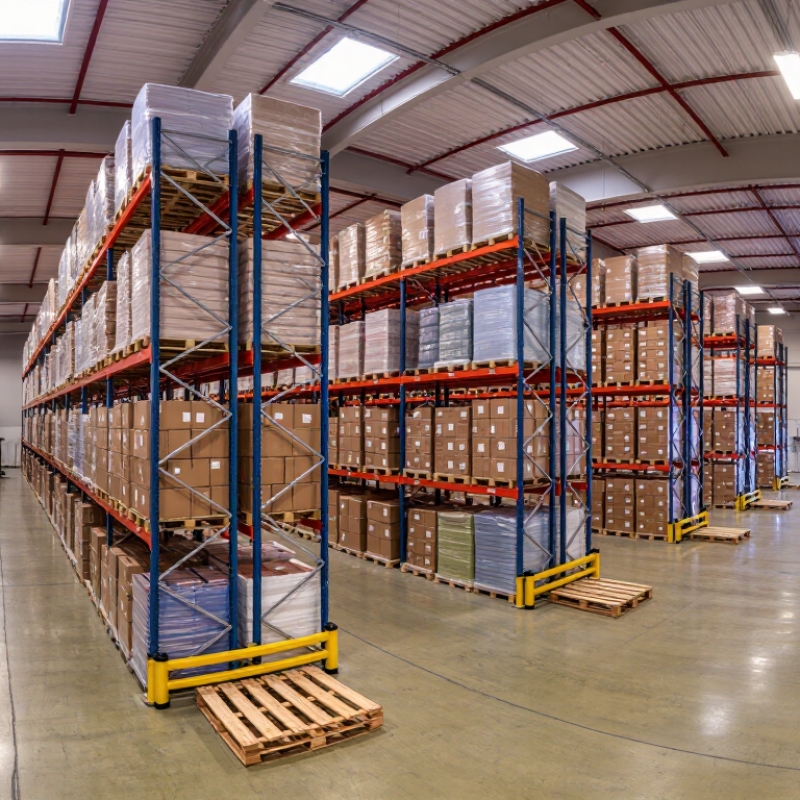
Choosing the best warehouse storage solution begins with a clear definition of your operational needs. Start by listing every SKU, including its dimensions, weight, packaging, and average daily movement. Measure the available floor area, ceiling height, aisles, doors, columns, and emergency access routes. A neat floor plan is not enough.
Group inventory by turnover and handling frequency. Fast-moving cartons may need locations near packing stations, while slow-moving items can use higher or less accessible positions. Record the heaviest loads and the equipment used to move them. Hand carts, forklifts, and lifting platforms require different aisle widths and clearance levels. Small details create large delays.
Operating conditions also shape the storage choice. Check temperature, humidity, dust, lighting, and floor quality before selecting materials or layouts. Cold rooms, damp areas, and outdoor exposure can reduce service life. Worker reach, lifting height, and visibility deserve equal attention. A safer design usually improves accuracy as well.
The first estimate is often wrong. Inventory changes, seasonal peaks, and new packaging can quickly make a fixed layout inefficient. Leave practical expansion space, but avoid paying for unused capacity. Review storage performance through picking time, travel distance, damaged goods, and near-miss reports. Real warehouse data should guide adjustments, not assumptions. A simple trial zone can expose problems before a full installation.
How to Choose the Best Warehouse Storage Solutions?
Warehouse storage systems should match the goods, handling methods, and available floor space. Pallet racking suits large quantities of uniform cartons on pallets. It offers direct access, but requires clear aisles and careful load planning. Shelving works better for smaller items picked by hand. It is flexible and affordable, though workers may walk farther between locations.
Mobile storage systems reduce unused aisle space by moving shelving units. They can increase capacity, but access becomes slower during busy picking periods. Cantilever racks are useful for pipes, timber, and other long materials. They need strong floor support and thoughtful placement. Automated storage can improve accuracy and reduce travel, yet it demands higher investment, maintenance, and trained operators. In practice, the most advanced option is not always the most useful. A simple layout may perform better when product demand changes often.
Tips: Measure products, pallets, aisle widths, and ceiling height before choosing equipment. Record daily picks and seasonal peaks. Leave room for safe movement. Check load labels regularly. Ask workers where delays occur; their observations often reveal design problems. Review the layout after several weeks, because the first plan may be imperfect. Use professional load assessments and follow applicable safety requirements. A trial section can expose bottlenecks before full installation. Keep emergency access clear. Never judge capacity by appearance alone.
How to Choose the Best Warehouse Storage Solutions?
Space efficiency is more than filling every available shelf. Measure clear height, aisle width, pallet dimensions, and replenishment routes before selecting storage equipment. A practical layout should leave enough turning space for handling equipment and safe access for inspections. The 2023 Warehousing Vision Study found that 58% of warehouse decision-makers planned to adopt radio-frequency identification by 2028. This suggests that storage design should support future tracking systems, not only today’s pallet count. Empty space is not always wasted space.
Accessibility directly affects labor time and picking accuracy. Place fast-moving stock near dispatch areas, while slower items can occupy higher or more distant locations. Use visible labels, consistent location codes, and clear walking paths. The 2024 DC Measures report identifies 99.5% as a median order-picking accuracy benchmark. That figure leaves little room for careless slotting. A single misplaced carton can create delays, rework, and an inaccurate inventory record.
Inventory control needs more than software. Cycle counts, barcode scans, and exception checks should match the physical layout. Test the process during a busy shift, when bins are partly empty and returns arrive unexpectedly. It may reveal a weakness. Storage systems that look efficient on paper can become difficult when products vary in size or demand changes sharply. Review utilization, access time, stock accuracy, and damage rates every month, then adjust locations instead of treating the original design as permanent.
Evaluate space efficiency, accessibility, and inventory control using a comparative planning benchmark.
The 0–100 scores summarize typical operating characteristics: selective pallet racking provides the highest direct access, drive-in racking maximizes density for low-SKU storage, mobile racking improves space utilization while preserving access, and automated storage and retrieval systems generally deliver strong density and inventory accuracy when properly integrated.
A safe storage system starts with real operating conditions, not attractive drawings. Check beam load ratings, pallet dimensions, aisle widths, and forklift turning space. Keep heavy goods low, and install guards near exposed corners. Shelving should remain stable when loads shift slightly during daily handling. I have seen small floor irregularities create noticeable movement over time. Never ignore them.
Durability depends on more than steel thickness. Review coating quality, corrosion resistance, impact protection, and replacement options for damaged parts. A scalable design uses adjustable levels, compatible components, and clear expansion zones. Leave space for future inventory growth. Many teams plan perfectly for today and regret it within a year. That mistake is common.
Installation also needs careful measurement, level flooring, secure anchoring, and trained workers. Follow applicable building, fire, and workplace safety requirements. Confirm every connection before loading.
Tips: Mark floor locations before delivery. Photograph anchor points. Test one bay first. Ask an experienced installer to verify clearances, load labels, and emergency access. Do not rush the final inspection.
How to Choose the Best Warehouse Storage Solutions?
Select the Best Solution Based on Cost and Long-Term Value
Choosing warehouse storage requires more than comparing purchase prices. The cheapest system may demand frequent repairs, extra labor, or early replacement. I have seen low-cost racks bend after repeated loading because their capacity was poorly estimated. Measure twice.
Start with the daily workflow. Record pallet weights, product dimensions, turnover rates, and available aisle space. A solution that improves picking speed can reduce labor costs every month. However, narrow aisles may increase congestion and slow emergency access. The numbers need context.
Consider durability, expandability, installation, and maintenance before approving a purchase. Modular storage can adapt when inventory changes, while fixed structures may become expensive obstacles. Check load ratings, connection quality, inspection procedures, and local safety requirements. Ask suppliers for test data, service terms, and realistic replacement costs. Cheap is tempting. That assumption failed in one project when damaged components created unexpected downtime. A slightly higher initial investment could have prevented it. Still, premium materials are not automatically better; value depends on actual warehouse conditions, workload, and maintenance discipline. Track labor hours, damage rates, repairs, and usable capacity after installation. Those records reveal whether the solution earns its cost over time.
| Storage Solution | Typical Application | Approximate Initial Cost* | Space Utilization | Accessibility | Expected Service Life | Maintenance Level | Long-Term Value | Best Fit |
|---|---|---|---|---|---|---|---|---|
| Adjustable Pallet Racking | Standard pallet storage with many stock-keeping units and frequent access. | $80–$200 per pallet position | Moderate; uses vertical space but requires operating aisles. | Very high | 15–25 years with inspections and damage control | Low to moderate | High | Warehouses needing flexible access and frequent product changes. |
| Selective Long-Span Shelving | Carton, tote, and hand-picked inventory that is not stored on pallets. | $40–$150 per shelf section | Moderate; efficient for small and medium-sized goods. | Very high | 10–20 years with proper loading | Low | High | E-commerce, spare parts, maintenance supplies, and small-item storage. |
| Drive-In Racking | High-density storage for large quantities of the same or similar products. | $120–$300 per pallet position | High; fewer aisles increase storage density. | Low to moderate | 15–25 years with careful forklift operation | Moderate | Moderate to high | Low-SKU operations using last-in, first-out inventory rotation. |
| Double-Deep Racking | High-density pallet storage where some selectivity can be traded for capacity. | $100–$240 per pallet position | High; stores two pallets deep. | Moderate | 15–25 years with suitable reach equipment | Moderate | High | Operations with medium SKU counts and predictable inventory turnover. |
| Push-Back Racking | High-density pallet storage with multiple pallets stored in depth. | $150–$350 per pallet position | High; reduces aisle requirements. | Moderate | 15–25 years with regular rail and cart inspections | Moderate | High | Businesses handling several pallets per SKU with a last-in, first-out flow. |
| Pallet Flow Racking | First-in, first-out pallet storage for date-sensitive or batch-controlled goods. | $200–$450 per pallet position | High; deep lanes improve cubic capacity. | Moderate | 15–25 years; rollers require periodic inspection | Moderate to high | High | Food, beverage, pharmaceutical, and other inventory requiring FIFO rotation. |
| Mobile Aisle Racking | Storage where floor space is limited and access is needed less frequently. | $250–$600 per pallet position | Very high; movable aisles can reduce fixed aisle space. | Moderate | 15–25 years; moving components need scheduled servicing | Moderate to high | High when space is expensive | Cold storage, archives, high-value inventory, and space-constrained facilities. |
| Mezzanine with Shelving | Adding an elevated storage level for cartons, parts, or light-duty inventory. | $25–$80 per square foot | Very high; creates usable storage area above the floor. | High | 20–40 years subject to building and structural inspections | Low to moderate | High | Facilities with sufficient clear height and a need to expand without relocating. |
| Automated Storage and Retrieval System | Computer-controlled storage and retrieval for high-volume, repeatable workflows. | $500–$2,000+ per storage position | Very high; uses vertical volume and reduces aisle space. | High after system integration | 10–20 years for major equipment, with software upgrades over time | High | High at sufficient throughput | Operations with stable processes, high labor costs, and predictable demand. |
| General recommendation: Choose adjustable pallet racking for maximum flexibility, dense systems for high-volume uniform inventory, FIFO systems for date-sensitive goods, and automation only when throughput and labor savings can justify the higher investment. | ||||||||
| Data note: Cost ranges are indicative planning estimates in U.S. dollars for equipment only. They exclude building modifications, fire protection, installation, permits, forklifts, software, taxes, and regional labor differences. Actual capacity and service life depend on load weight, building height, seismic requirements, operating practices, inspection frequency, and equipment quality. | ||||||||
Measure SKU dimensions, weights, packaging, floor area, ceiling height, aisles, doors, and emergency routes. A clear drawing alone is not enough.
Place fast-moving cartons near packing stations. Store slow-moving items higher or farther away. Turnover matters more than appearance.
Pallet racking suits large quantities of uniform cartons on pallets. It provides direct access but needs clear aisles and accurate load planning.
Shelving works well for smaller products picked by hand. It is flexible and affordable, though workers may walk farther.
Mobile systems reduce unused aisle space by moving storage units. Access may slow during busy picking periods. More capacity is not always better.
Cold rooms, damp areas, dust, outdoor exposure, and poor floors can shorten service life. Check conditions before selecting materials.
Compare purchase price, labor, repairs, maintenance, installation, durability, and replacement costs. Cheap is tempting. A bent rack can create costly downtime.
Create a small trial zone and track picking time, travel distance, damage, and near-miss reports. The first plan may fail. That is useful information.
Leave practical expansion space for seasonal peaks, new packaging, and inventory changes. Avoid paying for empty capacity. My estimates are not always right.
Choosing the right Warehouse Storage Solutions begins with a clear understanding of your inventory, order volume, product dimensions, handling methods, and operating environment. Consider whether your facility requires high-density storage, rapid product access, flexible organization, or specialized protection for certain goods. Compare suitable systems by examining their layout, loading methods, accessibility, and ability to support accurate inventory control. A well-planned solution should make efficient use of vertical and floor space while keeping frequently handled items easy to reach.
Beyond immediate capacity, evaluate safety, structural durability, maintenance needs, installation requirements, and future scalability. The selected system should support safe movement, withstand daily use, and adapt to changes in inventory or business growth without excessive disruption. Finally, compare the total cost of ownership, including equipment, installation, labor, maintenance, and potential expansion. The best choice is not necessarily the least expensive option, but the one that delivers reliable performance, efficient operations, and lasting value over time.