Industry updates, freight forwarding trends, and customs clearance guides from global shipping experts.
Stay informed on international freight regulations, shipping routes, and customs solutions.
Practical advice on packaging, warehousing, air freight forwarding, and project cargo.
End-to-end insights into Dammam port operations and GCC shipping solutions.
Sea Freight Forwarding connects exporters, importers, carriers, ports, and customs teams through one coordinated shipping process. It is commonly used for commercial cargo that is too large, heavy, or costly to move by air. A freight forwarder usually plans the route, compares carrier schedules, prepares shipping documents, and tracks the cargo until delivery. It moves slowly. Yet it remains a practical choice for many international supply chains.
A typical shipment begins with cargo details, including dimensions, weight, packaging, origin, destination, and delivery terms. The forwarder then selects a suitable service, such as full container load or less-than-container load. After booking space, the cargo reaches the export port, where it passes through required checks and documentation procedures. The container is loaded onto a vessel, transported across the sea, and discharged at the destination port. Local transport may then complete the journey to the warehouse.
The process appears straightforward, but small details matter. An incorrect weight can affect charges, vessel planning, and container safety. Missing documents may create avoidable delays. Delays happen. Weather, port congestion, equipment shortages, and schedule changes can also affect delivery estimates. Experienced forwarders reduce these risks through careful verification, realistic planning, and regular communication. Still, no provider controls every event at sea. That limitation deserves attention. Reliable Sea Freight Forwarding depends on transparent quotations, compliant cargo information, accurate paperwork, and clear responsibility at each handover. This guide explains how the process works, what each participant does, and where practical problems often arise.
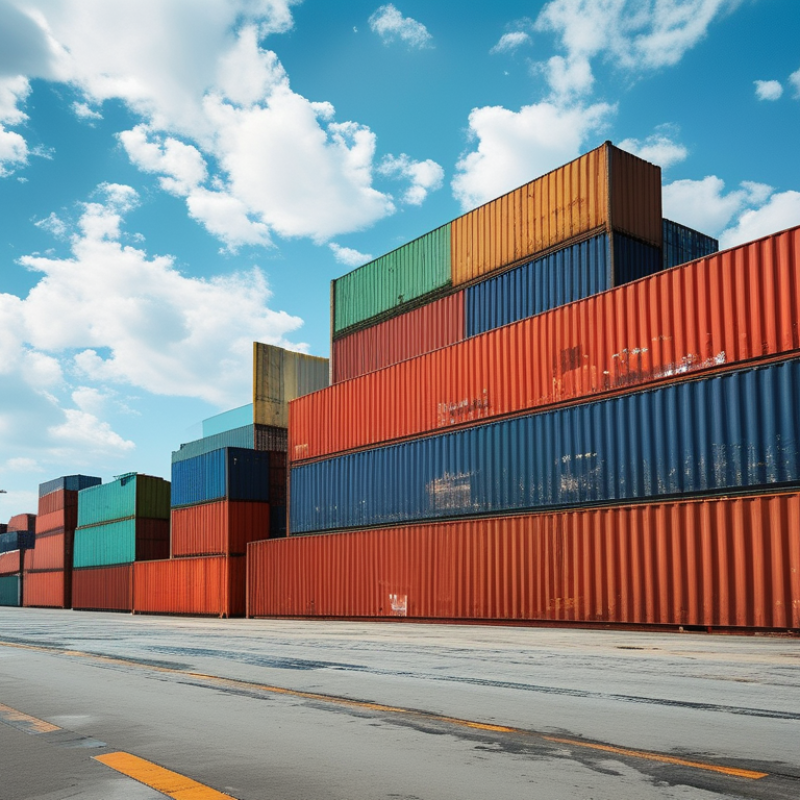
Sea freight forwarding organizes cargo movement across oceans. It connects exporters, carriers, ports, customs teams, and final delivery services.
More than 80% of global trade by volume moves by sea, according to widely cited industry estimates. This scale keeps ocean shipping affordable for large and heavy consignments. It also creates delays when ports become crowded or schedules change.
A freight forwarder reviews the cargo, destination, timing, and required documents. Then, the forwarder compares sailing options and reserves container space. Cargo may travel in a full container or share space with other shipments.
At the origin port, workers verify packing details and prepare export paperwork. The container is loaded, sealed, and tracked during transit. After arrival, import procedures, port handling, and inland delivery follow.
A bill of lading records key shipment details. Small errors can still cause expensive delays.
Tips: Confirm dimensions and weight before booking. Use strong packaging for moisture, vibration, and repeated handling. Check cut-off times carefully.
Keep commercial invoices, packing lists, and transport instructions consistent. Ask for milestone updates, not vague promises.
Sea freight is usually slower than air freight, but it carries far more volume at a lower unit cost. The trade-off is real. Weather, inspections, missed connections, or incorrect documents can change the delivery date. Planning helps, but it never removes every uncertainty.
Sea freight forwarding organizes cargo movement across oceans. It connects exporters, carriers, ports, customs teams, and delivery providers. The process includes booking, documentation, loading, tracking, clearance, and inland transport. It is affordable for large shipments, but usually slower than air freight.
The shipper provides cargo details and a preferred sailing date. The forwarder compares schedules and reserves container space. Workers pack, verify, seal, and load the container. After arrival, customs clearance and final delivery follow. Many steps.
Provide the origin, destination, cargo description, package count, dimensions, weight, and sailing date. Confirm container requirements and terminal cutoffs. Accurate details help prevent unsuitable equipment or missed departures. Guessing measurements can become expensive.
FCL means one shipper uses an entire container. LCL combines smaller shipments inside one container. FCL can reduce handling exposure and simplify loading. LCL may cost less for small cargo, but consolidation adds handling time and delay risks.
TEU means twenty-foot equivalent unit. A standard 20-foot container usually equals one TEU. A 40-foot container usually equals two TEU. TEU measures capacity, not guaranteed payload. Weight limits and cargo shape still matter.
Common documents include the commercial invoice, packing list, and bill of lading. Verified gross mass supports safe vessel planning. Export or import declarations may also apply. One incorrect carton count can delay cargo release. It happens.
Costs may include ocean freight, port handling, documentation, fuel adjustments, customs processing, duties, storage, and inland delivery. Demurrage may apply when containers remain too long at terminals. Insurance is separate unless agreed otherwise. A low ocean rate is not the full cost.
Incoterms define transport responsibilities, selected costs, and risk transfer between seller and buyer. They do not replace customs rules, taxes, or required permits. For example, one party may pay transport to the destination port. Another party may manage clearance and final delivery.
Delays can result from port congestion, weather, inspections, missed connections, equipment shortages, or incorrect documents. Last-mile problems also matter, including narrow streets, missing appointments, or unavailable unloading equipment. Planning reduces risk, but removes no uncertainty. Schedules are estimates.
Sea Freight Forwarding is the organized process of moving goods across oceans, a method responsible for transporting more than 80% of global trade by volume. It connects shippers, consignees, carriers, ports, customs authorities, and freight forwarders. The forwarder coordinates the shipment, selects suitable transport options, prepares documentation, and helps ensure that cargo moves efficiently from its origin to its destination.
The process usually begins with booking either a full container load (FCL) or a less-than-container load (LCL), based on cargo volume and available TEU capacity. After pickup, the goods pass through export customs, port handling, and ocean transportation. At the destination, import clearance, freight payment, and Incoterms determine the responsibilities and costs of each party. Finally, the cargo is released for inland delivery, completing the last-mile journey to the consignee.