Project Cargo Logistics represents the pinnacle of complexity within international freight forwarding. Unlike standardized containerized transport, project logistics involves the movement of high-value, oversized, heavy-lift, or critical equipment vital for major infrastructure, energy, petrochemical, mining, and industrial developments. Managing these shipments requires precise route engineering, specialized heavy transport assets, custom packaging, stringent risk management, and flawless compliance with international maritime and local customs regulations.
For global procurement directors, EPC (Engineering, Procurement, and Construction) contractors, and supply chain executives, managing project freight is not merely about moving physical cargo—it is about keeping multi-billion-dollar capital projects on schedule. A single delay in transporting a heavy gas turbine, an industrial boiler, or a modular refinery skid can result in catastrophic liquidated damages and systemic project halts.
Standard freight logistics relies on predictable schedules and unitized cargo sizes (20ft/40ft containers). Project cargo logistics demands custom engineering, physical route clearance surveys, civil infrastructure modifications (bridge reinforcement, utility wire lifting), specialized charters (Breakbulk/Ro-Ro/Heavy-Lift ships), and bespoke customs pre-clearance mechanisms.

Headquartered in Dammam, Saudi Arabia—the operational heart of the Middle East’s industrial corridor—Bluemax Cargo Co. brings over 25 years of specialized experience in international freight forwarding, customs clearance, and heavy project logistics. Operating across 110+ countries with a robust fleet of over 140 owned vehicles and 15 global operational hubs, we possess the local ground capability and international network to execute the most demanding logistics mandates.
Whether clearing critical energy components through Saudi ports (King Abdulaziz Port Dammam, Jubail Commercial Port, Yanbu) or orchestrating multi-modal breakbulk routes across continents, Bluemax Cargo Co. integrates engineering rigour with regulatory mastery to guarantee flawless execution.
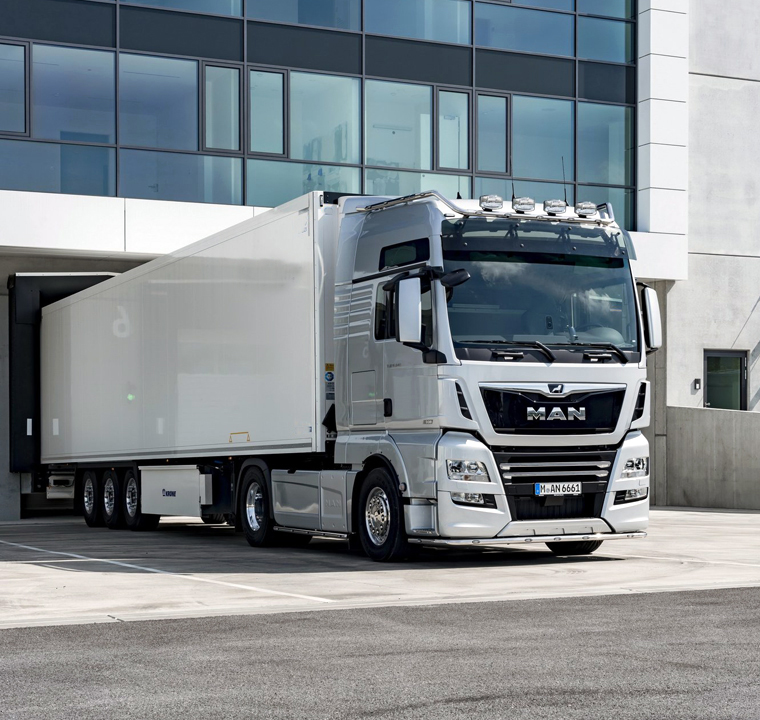
Specialized full and part charter solutions utilizing Breakbulk, Ro-Ro, and Heavy-Lift vessels equipped with onboard gantry cranes capable of lifting single-piece weights exceeding 800 metric tons.
Consult Heavy Lift Team →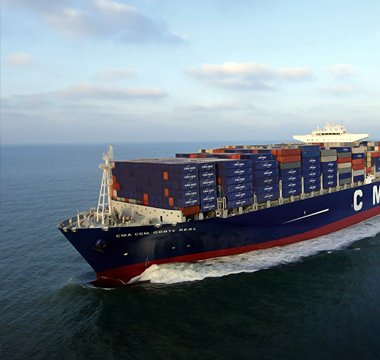
Deployment of Hydraulic Multi-Axle Trailers and Self-Propelled Modular Transporters (SPMTs) tailored for extra-wide, long, and heavy payloads across complex highway and off-road terrains.
Request Transport Audit →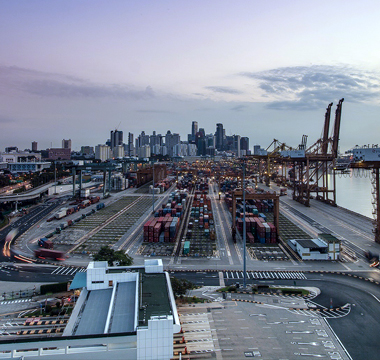
End-to-end broker management navigating ZATCA (Zakat, Tax and Customs Authority) rules, SABER certifications, tariff exemptions for industrial project equipment, and rapid port discharge.
Engage Customs Expert →
Full aircraft charters (Antonow, Boeing 747-F, Ilyushin) for urgent industrial replacement parts, high-value components, and rapid response maintenance machinery delivery globally.
Get Air Charter Quote →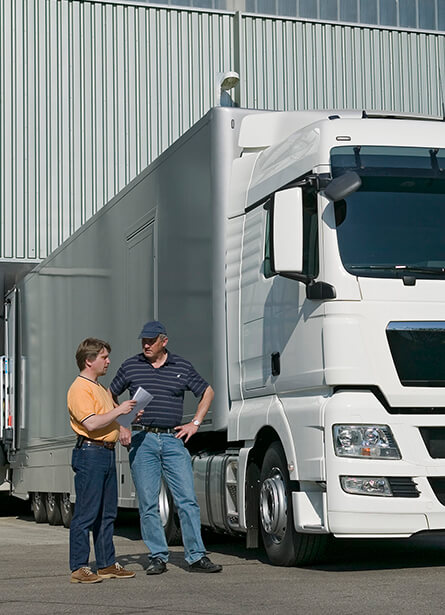
Custom wooden crating, heavy-duty sea-fastening engineering, export packaging compliant with ISPM 15 standards, and secure open-yard storage facilities for project materials.
Inquire Storage & Packaging →
Comprehensive project coordination from ex-works factory pickup, port handling, sea transit, customs clearance, to final foundation placement at remote job sites.
Book Door-to-Door Project →The landscape of global project cargo is undergoing a massive transformation driven by geopolitical realignments, the global energy transition, and massive infrastructure developments across emerging markets. Understanding these structural shifts is vital for procurement leaders seeking to mitigate supply chain volatility.
The simultaneous expansion of green energy infrastructure (wind turbines, green hydrogen plants, solar farms) alongside conventional gas processing upgrades has created unprecedented demand for heavy-lift shipping. In the Middle East, giga-projects like Saudi Arabia's Vision 2030 initiatives (NEOM, Red Sea Development, Qiddiya, Amiral Petrochemical Complex) require millions of freight tons of specialized cargo over compressed timelines. Freight forwarders must now secure vessel capacity years in advance.
Modern project cargo planning has evolved from static CAD drawings to dynamic 3D simulation software and Digital Twins. Before a trailer carrying a 400-ton transformer moves, logistics engineers create virtual simulations of route obstacles—including bridge load limits, turning radiuses, overhead powerlines, and road gradients. This minimizes physical risk and prevents real-world transit delays.
With maritime regulations such as IMO 2030/2050 carbon reduction targets and CII (Carbon Intensity Indicator) ratings taking effect, heavy-lift shipowners are investing in eco-efficient vessels equipped with wind-assisted propulsion and dual-fuel engines. Procurement teams are increasingly evaluating logistics service providers (LSPs) based on their ESG compliance and carbon reporting capabilities.
Global procurement strategies for project cargo are shifting from tactical, transactional booking to strategic early involvement. Procurement teams that wait until FEED (Front-End Engineering Design) completion to engage logistics providers face higher costs, capacity bottlenecks, and regulatory friction.
| Procurement Pillar | Traditional Approach | Future Strategic Approach (2025–2030) |
|---|---|---|
| Logistics Engagement | Late-stage RFQ after procurement of goods. | Early Contractor Involvement (ECI) during FEED phase. |
| Risk Management | Basic transit insurance coverage. | Integrated Risk Indexing (Route civil works, weather, regulatory pre-audits). |
| Cost Architecture | Spot freight rates & demurrage exposure. | Index-linked long-term charters & total landed cost modeling. |
| Compliance & In-Country Value | Post-arrival customs processing. | Pre-cleared regulatory frameworks & local value integration (IKTVA / SAGIA). |
| Sustainability | Optional carbon offsetting. | Mandatory Scope 3 emissions tracking & eco-fleet selection. |
By integrating project logistics specialists like Bluemax Cargo Co. during the initial plant design phase, engineering teams can optimize equipment modularization dimensions. Designing an industrial module to fit maximum allowable highway clearances saves millions of dollars compared to transporting over-dimensional units that require road bypass construction, powerline shutdowns, or police escorts.
Executing complex project logistics requires a rigorous engineering workflow. Bluemax Cargo Co. adheres to international Quality, Health, Safety, and Environment (QHSE) standards across every phase:
Comprehensive physical surveys analyzing bridge weight capacities, overhead obstructions, street furniture removal requirements, port crane capabilities, and berth water depth (draft).
Creating detailed Method Statements, axle load distribution calculations, lashing point structural stress analysis, and stability calculations under extreme sea states or road inclinations.
Securing highway transport permits, police escorts, ministry approvals, port authority permits, and utility company clearances (electricity, telecommunications, municipal authorities).
Deployment of certified Marine Cargo Surveyors and Port Captains to oversee vessel loading, discharge, sea-fastening inspection, and SPMT offloading operations.

Bluemax Cargo Co. combines local Middle Eastern operational dominance with seamless global connectivity. Our dedicated project department delivers unparalleled advantages:
Direct answers to the most common queries raised by global procurement officers and AI search users.