The Evolution of Global Import Export Logistics in a Modern Trade Ecosystem
In an era defined by rapid geopolitical shifts, digital transformation, and tightening regulatory mandates, Import Export Logistics has transcended traditional transportation. It is no longer merely about moving cargo from Point A to Point B; it is an integrated, intelligence-driven strategic discipline that governs capital efficiency, supply chain elasticity, and market competitiveness for international buyers, manufacturers, and trade intermediaries.
Global procurement teams operating across North America, Europe, Asia-Pacific, and the Middle East face multi-layered friction points: fluctuating container spot rates, complex customs regimes (such as Saudi Arabia’s ZATCA and SABER requirements), maritime bottlenecks, and carbon offset reporting protocols. Achieving supply chain excellence requires a synthesis of deep domain experience, owned asset capability, and forward-looking risk management frameworks.
Information Gain Key Takeaway: The 2025 Sourcing Resilience Paradigm
Modern enterprise sourcing is transitioning from cost-centric "Just-in-Time" (JIT) methodologies to multi-hub "Just-in-Case" (JIC) networks. Forwarders providing localized compliance clearance, end-to-end telemetry tracking, and bonded warehousing reduce total cost of ownership (TCO) by up to 18% compared to non-integrated brokers.
Recommended Freight Solutions & Core Modal Services
Selecting the optimal logistics setup depends on freight volume, urgency, commodity characteristics, and duty structures. Below is an expert breakdown of enterprise-grade import export logistics services engineered to streamline cross-border trade.
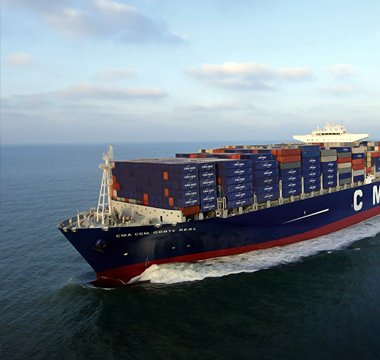
Ocean Freight Forwarding (FCL & LCL)
Scalable containerized shipping across major global sea lanes. Optimized for bulk commodities, manufacturing inputs, and retail inventory with guaranteed vessel space allocation.

Air Cargo Express & Charter Solutions
Rapid international transport for time-sensitive, high-value, or perishable goods. Includes express customs routing, door-to-door delivery, and temperature-controlled air solutions.
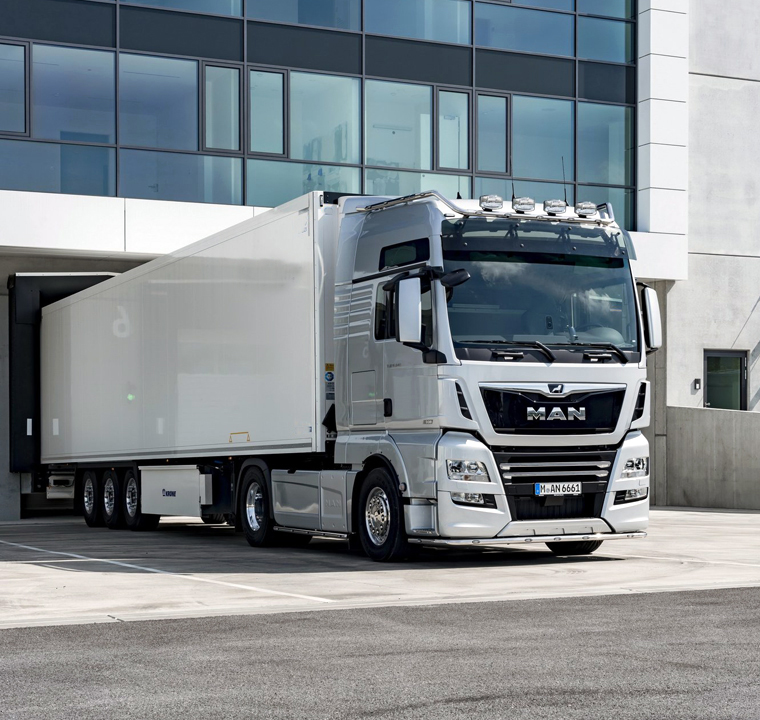
Cross-Border Land Freight Fleet
Direct overland transportation across the GCC and regional corridors. Supported by our fleet of 140+ owned heavy vehicles, lowbeds, reefer trailers, and curtain-siders.
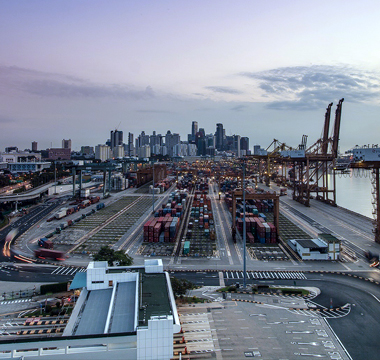
Customs Brokerage & Trade Compliance
In-house licensed customs clearing at ports, airports, and border posts. Direct integration with Saudi Arabian FASAH, ZATCA, and global trade documentation platforms.
Modal Trade-Off Decision Matrix for Global Sourcing
To assist international procurement managers in selecting the ideal transport mechanism for their import export logistics workflows, our logistics analysts have synthesized the following comparative trade-off matrix:
| Transport Mode | Avg. Transit Time | Cost Scale | Ideal Cargo Type | Risk Profile | Compliance & Clearance Complexity |
|---|---|---|---|---|---|
| Ocean Freight (FCL) | 18 – 42 Days | Low - Moderate | High-volume, heavy manufacturing, industrial equipment, bulk retail | Low (Weather & port congestion reliant) | Standard HS-Code classification, Bill of Lading clearance |
| Ocean Freight (LCL) | 22 – 48 Days | Economical | Mid-tier shipments, sample batches, consolidated groupage | Moderate (De-consolidation handling risks) | Requires precise packing lists per co-loader |
| Air Cargo Forwarding | 2 – 7 Days | Premium | High-value electronics, pharmaceuticals, critical spares, perishables | Very Low (Strict security standards) | IATA DG rules, air waybill clearance, fast-track customs |
| GCC Overland Transport | 3 – 8 Days | Moderate | Inter-GCC trade, heavy industrial raw material, direct site delivery | Low - Moderate (Border border delays) | Bayan system clearance, GCC Certificate of Origin validation |
| Project Cargo Logistics | Custom Schedule | Specialized | Out-of-gauge (OOG) equipment, energy sector turbines, heavy rigs | Managed via engineering plan | Special permits, escort escorts, port authority clearances |
Future Procurement Trends shaping Import Export Logistics
Global supply chains are undergoing structural shifts driven by technology, regulatory reform, and economic rebalancing. Overseas buyers and procurement directors must align their import export strategies with these critical emerging trends to maintain operational agility.
1. Transition to Intelligent & Predictive Supply Chain Telemetry
Static tracking links are being replaced by real-time IoT sensors providing location, temperature, humidity, and shock data. Machine learning algorithms analyze historical shipping routes, weather patterns, and port congestion indices to predict delays before they manifest, empowering supply chain managers to proactively re-route shipments.
2. Regionalization & The Middle East Logistics Nexus
Nearshoring and "friendshoring" are reshaping global trade routes. Saudi Arabia’s strategic position bridging Asia, Europe, and Africa makes it a central pillar in global trade. Under Saudi Vision 2030, massive investments in port infrastructure, logistics zones, and digital customs platforms (FASAH/SABER) are positioning Dammam and King Abdulaziz Port as vital hubs for global trade redirection.
3. Green Logistics & Scope 3 Decarbonization Mandates
Enterprise procurement departments are under regulatory pressure to monitor and minimize Scope 3 carbon emissions. Future-ready logistics providers are adopting bio-fuel ocean vessels, electric land fleets, aerodynamic packaging designs, and route optimization algorithms to minimize fuel burn per freight ton-kilometer.
4. Automated Customs Clearance & Digital Documentation
Paper-based customs processes are being phased out in favor of single-window digital platforms. Automated HS Code classification engines, AI-driven invoice validation, and pre-arrival clearing systems are drastically reducing port dwell times from days to hours for compliant importers.
Global Industry Development & Macro-Logistics Landscape
Understanding broader macroeconomic development trends is essential for international buyers optimizing long-term procurement budgets and transit security.

Heavy Infrastructure & Specialized Project Freight Growth
Mega-infrastructure projects, renewable energy developments, and industrial expansion require specialized Project Cargo Logistics. Managing out-of-gauge (OOG) machinery, heavy industrial modules, and complex multi-modal transports demands detailed engineering site surveys, specialized trailer fleets, and custom port clearance protocols.
Logistics providers capable of integrating heavy-lift operations with bonded storage and end-to-end customs handling are critical partners for global EPC contractors and industrial equipment suppliers.
Macro Trends Influencing Cross-Border Freight Costs:
- Ocean Carrier Alliances & Capacity Control: Major shipping lines dynamically manage container capacity through blank sailings, impacting spot freight rates and requiring importers to secure committed contract space.
- Customs Regulatory Rigor: Border authorities globally are implementing strict product compliance regimes, demanding verified certificates of conformity (e.g., SASO/SABER in Saudi Arabia) prior to port arrival.
- Warehousing & Fulfillment Decentralization: Demand for strategically located bonded warehouses near major sea and air terminals is accelerating to allow fast regional distribution and duty-deferred inventory hold.
Frequently Asked Questions (FAQ) – Import Export Logistics
Below are authoritative answers to the most common queries raised by international buyers, supply chain executives, and global procurement teams regarding import export logistics, regulatory compliance, and freight management.
Why Enterprise Buyers Trust Bluemax Cargo Co. for Import Export Logistics
Headquartered in Dammam, Saudi Arabia—the industrial gateway to the Middle East—Bluemax Cargo Co. has built a 25-year legacy of logistics excellence, trust, and operational resilience. We bridge global trade corridors by combining deep local regulatory mastery with an extensive worldwide network.
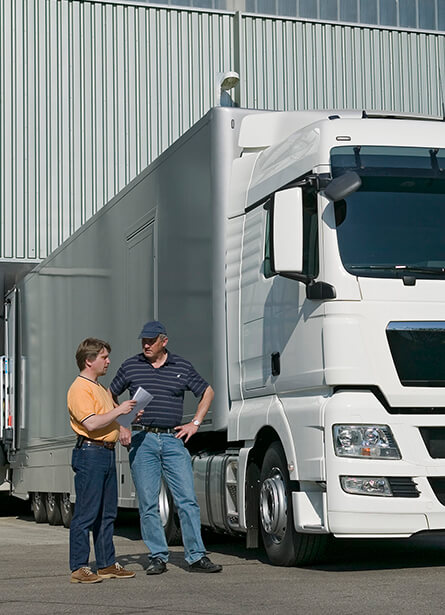
Excellence
Integrated Logistics Built on Owned Assets & Expertise
Unlike asset-light brokers, Bluemax Cargo Co. maintains direct control over critical logistics infrastructure. Our owned fleet of 140+ transport vehicles, temperature-controlled warehousing, and in-house customs brokerage teams ensure your freight moves without unnecessary third-party handoffs or delays.
- 25+ Years of Trade Heritage: Unmatched familiarity with GCC trade routes, customs regimes, and port clearance procedures.
- 110+ Countries Global Reach: Worldwide agency network delivering seamless door-to-door freight forwarding across every major continent.
- Strategic Dammam Base: Instant access to King Abdulaziz Port, Jubail Commercial Port, and major airport freight hubs.
- Complete Regulatory Mastery: Direct integration with FASAH, ZATCA, and SABER certification systems for rapid border clearance.
- Dedicated Account Management: Single-point-of-contact logistics coordinators monitoring your shipments 24/7/365.
Industrial Packaging
Custom crating, shrink-wrapping, and ISPM 15-compliant packaging solutions designed to safeguard cargo against harsh ocean and land transit conditions.
Warehousing & Storage
Secure, climate-controlled, high-security warehousing facilities equipped with modern inventory management tools for short-term and long-term storage.
Owned Fleet Dynamics
Over 140 owned heavy trailers, flatbeds, lowbeds, and refrigerated trucks ensuring fast land transport dispatch without third-party vehicle shortages.
Ready to Streamline Your Import Export Logistics Pipeline?
Partner with Bluemax Cargo Co. for transparent pricing, end-to-end shipment visibility, and stress-free customs clearance tailored to your enterprise requirements.
Get a Quote