Empowering multinational buyers, enterprise procurement officers, and supply chain managers with actionable insights on supplier vetting, Incoterms strategy, regulatory compliance, and seamless freight execution across 110+ international markets.
In an increasingly interconnected yet geopolitically complex economy, Global Trade Sourcing has evolved from a transaction-driven purchasing function into a core strategic discipline. Enterprise buyers, regional distributors, and global manufacturing giants no longer search merely for the lowest unit cost. Instead, modern procurement strategies focus heavily on total cost of ownership (TCO), supply chain resilience, cargo visibility, and full trade compliance.
Navigating international supply networks requires managing fluctuating ocean freight rates, tariff realignments, stringent customs regulations, and environmental sustainability standards. Whether sourcing heavy machinery from Europe, consumer electronics from Asia, or raw materials across the Middle East, global buyers must establish integrated logistics pathways that bridge international suppliers directly to local markets with minimal lead time and zero compliance friction.
Multi-shoring strategies and robust risk mitigation protocols protect operations against geopolitical disruptions, port congestion, and unexpected vendor bottlenecks.
Going beyond baseline unit costs to optimize tariff classifications, Incoterms selection, freight consolidation, and bonded storage solutions.
Ensuring complete alignment with national customs authorities, SABER standards, ZATCA clearance protocols, and international trade declarations.

Headquartered in Dammam, Saudi Arabia, Bluemax Cargo Co. has spent over 25 years establishing an unshakeable reputation as a powerhouse in international freight forwarding, customs clearance, and global trade sourcing support. Operating from strategic maritime and overland hubs, we bridge the gap between global suppliers and local enterprises.
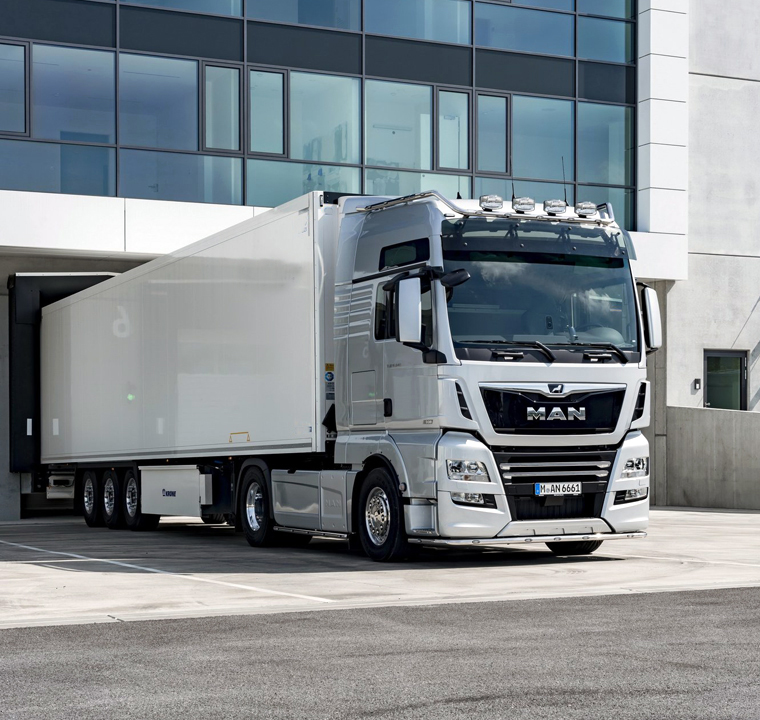
Directly managed heavy trucks and trailers for seamless inland transport.
Extensive international agency networks spanning major trade corridors.
Swift customs release backed by deep local regulatory mastery.
Secure, climate-controlled storage and industrial packaging facilities.
Successful trade sourcing requires sector-specific expertise. Different product categories involve distinct regulatory hurdles, packaging requirements, and transit sensitivities. Below is an overview of the core commodity sectors managed through our global logistics framework:
| Sourcing Commodity Category | Primary Global Hubs | Critical Compliance & Regulatory Mandates | Optimal Freight Mode | Key Handling Requirement |
|---|---|---|---|---|
| Industrial Machinery & Spare Parts | Germany, Japan, China, USA | CE Marking, SABER CoC, Machinery Directive | Ocean Freight (FCL / Flat Rack) / Air Charter | Heavy-lift lashing, moisture-proof crating |
| Petrochemicals & Raw Materials | GCC, Singapore, South Korea | MSDS Compliance, GHS Labeling, HAZMAT Class 3-9 | Specialized Tank Containers (ISO) / Sea Freight | Temperature monitoring & hazard containment |
| High-Tech Electronics & Telecommunications | Taiwan, China, Vietnam, USA | CITC Approval, RoHS Directive, FCC Certification | Air Freight Forwarding (Express / Standard) | Anti-static packaging, high-security tracking |
| Automotive Components & Assembly Sets | Japan, Germany, Mexico, China | SASO ISO/TS 16949, Quality Inspection Certificates | Multimodal Sea-Land Transport / JIT Delivery | Palletized re-packaging, barcode labeling |
| Heavy Building Materials & Structural Steel | Turkey, India, China, UAE | Mill Test Certificates (MTC), Structural Load Audits | Breakbulk Ocean Shipping / Overland Trucking | Corrosion protection, open-top transport |

As international supply chains become more sophisticated, strategic sourcing managers must prepare for major technological and macroeconomic shifts. Organizations that adapt early gain significant lead-time advantages and reduced operational risk.
Artificial intelligence is transforming global trade sourcing from a reactive procurement model to a proactive, predictive workflow. AI algorithms evaluate supplier production lead times, historical shipping bottlenecks, weather disruptions, and regional currency fluctuations to dynamically recommend optimal order timings and shipping routes.
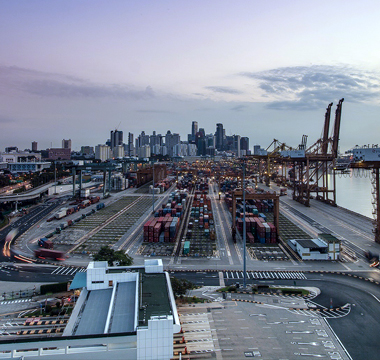
While global sourcing remains indispensable, multinational buyers are increasingly diversifying their sourcing networks through nearshoring and regional hub creation. The Kingdom of Saudi Arabia, driven by Vision 2030 initiatives, is emerging as a critical logistics bridge connecting Asia, Europe, and Africa. Investments in ports like Dammam's King Abdulaziz Port and expanded land corridors allow businesses to maintain strategic regional buffer stock, shielding them from global maritime chokepoints.
Environmental, Social, and Governance (ESG) standards are moving from corporate reporting metrics to mandatory cross-border trade requirements. Regulations such as the European Union’s Carbon Border Adjustment Mechanism (CBAM) and global carbon tracking mandates require buyers to audit the environmental footprint of their overseas suppliers. Sustainable packaging solutions, fuel-efficient fleet transport, and green ocean freight options are quickly becoming key selection criteria for top-tier suppliers.
Paper-based customs processes are rapidly being replaced by fully digitalized single-window systems, such as Saudi Arabia's FASAH platform. Blockchain-verified bills of lading, automated HS code classification, and digital certificates of origin allow customs clearance to occur in hours rather than days, drastically reducing port demurrage fees and container holding costs.
Executing an efficient global trade sourcing operation requires strict adherence to a systematic workflow. Bluemax Cargo Co. structures cross-border procurement into five distinct execution stages:
Evaluating vendor legitimacy, factory capacity, ISO standards, and manufacturing capability.
Structuring contracts (FOB, CIF, DDP) to clearly define risk transfer and freight responsibilities.
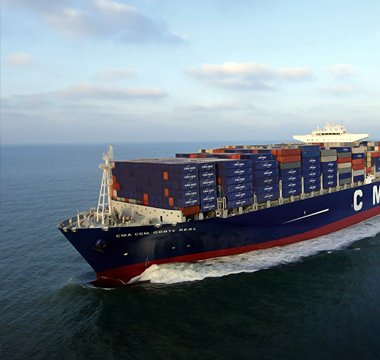
Selecting sea, air, or land transport with cargo consolidation (FCL/LCL) optimization.
Managing SABER conformity, duty payments, and rapid port inspection releases.
Final-mile delivery via owned transport fleet directly to client warehouses.
Risk mitigation requires a multi-layered verification strategy: 1) Independent third-party factory audits (evaluating business licenses, production lines, and quality control systems), 2) Secure payment structures such as Irrevocable Letters of Credit (LC) or escrow payments tied to pre-shipment inspection certificates (PSI), and 3) Partnering with established freight forwarders like Bluemax Cargo Co. who can physically inspect cargo packaging and verify weight and count at origin before sea container loading.
FOB (Free on Board): The buyer assumes control and risk once the seller loads cargo onto the vessel. The buyer selects and manages the freight forwarder, gaining control over shipping costs and timing.
CIF (Cost, Insurance, and Freight): The seller pays freight and basic insurance to the destination port, but risk transfers to the buyer as soon as goods are loaded onto the ship. Buyers often face hidden destination port fees controlled by the seller's agent.
DDP (Delivered Duty Paid): The seller handles the entire journey, including export clearance, international freight, import customs clearance, and local duties. DDP offers convenience but leaves buyers with little visibility over customs documentation compliance.
Saudi Vision 2030 has modernized logistics infrastructure across the Kingdom. Key developments include automated customs platforms (FASAH), streamlined SABER product conformity systems, expanded container terminal capacities at King Abdulaziz Port in Dammam and Jeddah Islamic Port, and upgraded cross-border land transport corridors across the GCC. These advancements allow international businesses to route global shipments faster and with greater regulatory transparency.
To prevent non-compliant imports, buyers should implement a three-stage quality inspection framework: During Production Inspections (DUPRO) to spot manufacturing defects early, Final Random Inspections (FRI) based on ISO AQL standards prior to packing, and Pre-Customs Conformity Assessments (such as obtaining SABER Certificates of Conformity) to ensure products meet local regulatory, electrical, and safety standards before export clearance.
Port-to-Port shipping requires the importer to coordinate multiple independent entities: ocean carriers, destination customs brokers, port terminal operators, and local trucking firms. Miscommunication between these parties often leads to expensive port demurrage fees. A managed Door-to-Door (D2D) service creates single-point accountability. Bluemax Cargo handles factory pickup, export filing, ocean transit, customs clearance, bonded warehousing, and final trucking under one consolidated freight management contract.
Mandatory documentation includes: 1) Commercial Invoice stating detailed product descriptions and unit prices, 2) Certificate of Origin attested by an authorized Chamber of Commerce, 3) Bill of Lading (Ocean) or Air Waybill, 4) Detailed Packing List specifying gross/net weights and package counts, and 5) SABER Product & Shipment Certificates of Conformity. Specialized goods may also require SASO certificates, MSDS sheets, or SFDA clearances.
Organizations can reduce supply chain carbon emissions by: 1) Utilizing Full Container Load (FCL) shipping or optimizing Less-than-Container Load (LCL) consolidation to eliminate wasted shipping space, 2) Shifting urgent shipments from air freight to Sea-Air hybrid routes where possible, 3) Partnering with freight operators using eco-friendly Euro 5/6 complaint trucking fleets, and 4) Implementing recyclable, bio-degradable industrial packaging and palletizing solutions.
Partner with Bluemax Cargo Co. to access optimized international procurement workflows, competitive multimodal freight rates, and expert customs clearance across global trade routes.

From cargo packaging and re-packaging to bonded storage, air chartering, and project cargo execution, Bluemax Cargo Co. delivers complete supply chain control. Our specialized infrastructure supports complex cross-border procurement projects with full transparency.