CE-Compliant, Saudi Customs Approved & Global DDP Supply Chain Services



25+ Years of Industry Leadership in International Logistics, Customs Brokerage, and Heavy Automotive Transport
Headquartered strategically in Dammam, Saudi Arabia, we provide express direct-port clearance, FASAH-integrated digital filing, and DDP solutions across GCC entry points, minimizing demurrage risk.
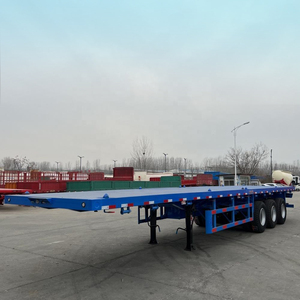
Our owned fleet of 140+ vehicles includes multi-purpose 3-axle flatbeds, low-beds, and specialized vehicle transporters engineered for OEM assembly lines and aftermarket auto parts delivery.
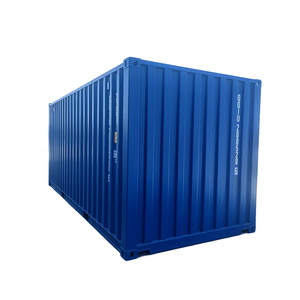
All shipping containers and logistics equipment strictly meet CE standards and ISO specs, fully backed by ABS, CCS, LR, BV, and KR class certifications for marine and inland transit safety.
The global automotive supply chain is undergoing an unprecedented structural transition driven by electrification, localized manufacturing compliance, and the critical need for supply chain elasticity. Automotive OEM manufacturers, Tier-1 component suppliers, and global exporters face strict regulatory benchmarks, specifically regarding CE certification standards, hazardous material handling (e.g., lithium-ion traction batteries under UN 38.3), and stringent international customs frameworks.
Logistics solutions for the automotive industry require more than traditional freight forwarding; they demand engineered end-to-end multimodal networks combining sea ocean consolidation, expedited air freight channels, and specialized inland heavy drayage. Ensuring compliance with CE marking and international equipment standards (ABS, CCS, BV, LR) guarantees that automotive freight—ranging from raw chassis stampings to finished complete built-up (CBU) vehicles—reaches assembly plants and distribution centers without operational downtime or regulatory impoundment.
Key Supply Chain Metric: Transitioning from single-mode transport to synchronized Multimodal Sea-Air-Truck DDP networks reduces total automotive component lead times by up to 38% while cutting transit emissions by 24% compared to full air-freight alternatives.
When procuring intermodal transport machinery—such as multi-purpose 3-axle flatbed trailers, car carrier trailers, and ISO dry cargo containers—buyers must verify compliance with strict safety directives. Machinery intended for global transport must adhere to standard structural payload calculations, emergency breaking systems, dynamic loading fatigue tests, and corrosion resistance protocols.
| Certification / Standard | Applicable Equipment | Core Compliance Objective | Global Operational Relevance |
|---|---|---|---|
| CE Marking (Machinery Directive) | Semi-trailers, Hydraulic Lifts, RORO Ramps | Ensures mechanical safety, structural integrity, and operational health safeguards. | Mandatory for EU & GCC import/export equipment movement. |
| ISO 6346 / CSC Safety Approval | 20FT / 40FT Dry Cargo Containers | Guarantees stackability, floor load density, and weather-tight cargo protection. | Required for intermodal sea-rail-road transport worldwide. |
| ABS / BV / CCS Marine Classification | Specialized Marine Cargo Vessels & ISO Containers | Verifies metallurgical strength, weld inspection, and sea-worthiness under extreme conditions. | Essential for global oceanic shipping line compliance. |
| UN 38.3 & Dangerous Goods (DG) Class 9 | EV Battery Packs & Power Electronics | Prevents thermal runaway during transport through strict packaging and thermal isolation. | Mandatory for air/sea transshipment of EV battery systems. |
Failure to maintain certified transport containers and trailers leads to costly border delays, structural equipment failure under heavy dynamic payload stress, and invalidation of marine cargo insurance. Professional logistics providers integrate certified equipment directly into their carrier roster to protect high-value automotive components during international transport.
Procurement teams within global automotive OEMs and aftermarket distributors are fundamentally shifting their supply chain strategies. Driven by recent global trade disruptions, regulatory shifts in environmental reporting (ESG), and the rise of smart manufacturing, the following four macro trends are reshaping how automotive logistics solutions are sourced and implemented:
Traditional FOB (Free on Board) and CIF (Cost, Insurance, and Freight) incoterms are increasingly being replaced by integrated DDP frameworks. Under DDP arrangements, certified logistics partners manage tariff classification, customs entry filings, import duties, VAT compliance, and final door-to-door drayage. This shifts compliance liabilities away from the automotive importer and provides predictable landed cost visibility for OEM financial controllers.
To mitigate port congestion and geopolitical transport choke points, automotive procurement strategies are moving toward strategic buffer inventory warehousing in key geopolitical hubs. Facilities located in Dammam (Saudi Arabia), Dubai (UAE), Rotterdam (Europe), and coastal hubs in East Asia serve as bonded consolidation centers. These facilities allow automotive suppliers to store safety stock duty-free until local factory call-offs are triggered.
Modern automotive components—especially EV battery modules, sensitive microchips, and precision powertrain assemblies—require strict environmental controls during transport. Advanced intermodal logistics contracts now specify 24/7 IoT visibility, tracking real-time GPS coordinates, shock/vibration metrics, ambient temperature fluctuation, and tilt detection to ensure complete quality assurance prior to assembly integration.
As vehicle chassis weight profiles evolve with heavier battery integrations, land drayage requires reinforced multi-axle trailers. The deployment of 3-axle flatbed semi-trailers designed for high-density axle payload distribution enables higher volumetric container loading, reducing total road freight trips and lowering overall carbon emissions per ton-kilometer.
The manufacturing and structural design of automotive logistics equipment is evolving rapidly to keep pace with changing vehicle architecture and green transport mandates:
Trailer manufacturers are incorporating advanced high-strength low-alloy (HSLA) steels into 3-axle flatbed and car-carrier chassis designs. This reduces tare weight while increasing maximum allowable payload capacity, helping carriers operate within global road weight compliance regulations without sacrificing structural rigidity.
The integration of direct electronic data interchange (EDI) between customs brokers and national trade portals (such as Saudi Arabia’s FASAH system) enables pre-arrival customs clearance. Cargo documentation, certificates of origin, CE compliance test reports, and commercial invoices are digitally matched prior to vessel berth, enabling same-day container dispatch from sea terminals.
The automotive industry is actively phasing out single-use wood packaging and non-recyclable plastic wraps. Modern logistics operators provide heavy-duty reusable steel racks, collapsible ISO container bins, and climate-protected returnable packaging systems that streamline assembly line unpacking while supporting corporate zero-waste mandates.
Expert Guidance on CE Standards, Customs Brokerage, DDP Terms, and Global Intermodal Shipping