Explore our certified Hazmat freight services, ISO standard container options, and door-to-door (DDP) logistics pathways engineered for chemical, lithium battery, and dangerous cargo transport from China to global destinations.

Backed by over 25 years of operational heritage, direct Saudi Customs clearance authority, and an expansive global logistics footprint across 110+ countries.
Headquartered with deep operational roots in Saudi Arabia and major Chinese export ports, our certified Hazmat specialists audit Material Safety Data Sheets (MSDS), Dangerous Goods Declarations (DGD), and UN packaging compliance prior to vessel loading.
We hold direct regulatory clearance approvals with Saudi Customs and regional Middle Eastern authorities. Our specialized DDP (Delivered Duty Paid) air freight and sea consolidation (LCL/FCL) eliminate tariff delays and port storage penalties.
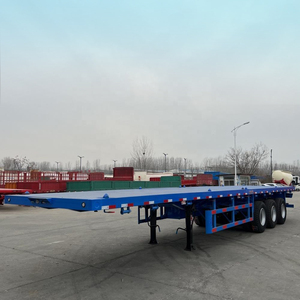
Operating a fleet of over 140 owned heavy vehicles, specialized 3-axle flatbed semi-trailers, and temperature-controlled hazardous cargo trucks for port-to-inland multimodal delivery across Africa, North America, and the Middle East.
We provide industrial-grade packaging, steel drum overpacking, absorbent material padding, and hazard labeling adhering strictly to Class 1 through Class 9 shipping standards, preventing leakage or thermal runaway events.
Our strategic ocean carrier allotments with Maersk, MSC, COSCO, and air cargo charters allow us to guarantee space allocation even during peak season shipping crunches for Class 3 flammables and Class 9 battery shipments.
Every dangerous goods container and express air consignment is integrated with real-time GPS tracking, ambient temperature monitoring, and automated status alerts from factory pickup in China to final door delivery.
A rigorous technical overview of hazardous materials classes handled by China's premier dangerous goods manufacturers and freight forwarders.
Navigating dangerous goods export from China mandates strict classification under international maritime and aviation frameworks. Importers and procurement directors must verify that their logistics partners adhere to the specific hazard parameters detailed in the technical specification matrix below:
| Hazard Class | Primary Classification Type | Common Industrial Products | UN Packaging Requirement | Primary Transport Mode |
|---|---|---|---|---|
| Class 2.1 / 2.2 | Gases (Flammable / Non-Flammable) | Refrigerants, Compressed Argon, Aerosols, Industrial Gases | Pressure Vessels, ISO Tank Containers | Sea Freight (FCL), Specialized Road Trucking |
| Class 3 | Flammable Liquids | Paints, Thinners, Adhesives, Solvents, Alcohol Compounds | UN 1A1 Steel Drums, UN 4G Fiberboard Boxes | Sea Freight (LCL/FCL Consolidation), DDP Trucking |
| Class 4.1 / 4.2 | Flammable Solids & Spontaneous Combustibles | Matches, Activated Carbon, Sulphur, Yellow Phosphorus | UN Moisture-Proof Sealed Containers | Ocean Freight, Multimodal Rail/Road |
| Class 5.1 / 5.2 | Oxidizing Substances & Organic Peroxides | Bleaching Powder, Hydrogen Peroxide, Chemical Catalysts | Temperature-Controlled UN Containers | Reefer Sea Containers, Express Air Charters |
| Class 8 | Corrosive Substances | Battery Acid, Sodium Hydroxide, Etching Liquids | Acid-Resistant Polyethylene Drums / Flexitanks | Sea LCL/FCL, DDP Ground Logistics Hubs |
| Class 9 | Miscellaneous Dangerous Goods | Lithium-ion Batteries (UN3480/UN3481), EV Power Packs | UN 38.3 Tested Boxes, Thermal Insulation Padding | Air Express Freight, DDP Multimodal Shipping |
Every dangerous goods consignment sourced from China must be accompanied by an official 16-section Material Safety Data Sheet (MSDS), a valid Dangerous Goods Transportation Appraisal Report issued by recognized Chinese institutes (such as Shanghai Chemical Industry Testing Center), and an authentic UN Packaging Certificate (海运危险货物包装性能检验结果单).
Key macro developments shaping chemical and battery supply chains from Chinese manufacturing hubs to global markets over the next decade.
With the exponential growth of electric vehicles (EVs) and energy storage systems (ESS), Chinese manufacturers are introducing next-generation UN 38.3-compliant fireproof packaging. Future procurement protocols require embedded smart Battery Management System (BMS) telemetry that transmits real-time internal cell temperature and voltage data directly to ocean carriers during long-transit maritime voyages.
Port clearance systems across Saudi Arabia (ZATCA), the GCC, North America, and Europe are transitioning to fully digitized pre-arrival filings. Modern dangerous goods procurement relies on API-driven customs brokerage where MSDS certificates, commercial invoices, and UN packaging approvals are validated automatically before the vessel departs Chinese ports, reducing customs hold times from days to hours.
Historically, small chemical buyers were forced to rent full 20FT container loads (FCL) due to strict carrier segregation rules. Modern freight leaders like Bluemax Cargo are pioneering specialized Hazmat Less-than-Container Load (LCL) consolidation routes from Shenzhen, Ningbo, and Guangzhou. This allows SME buyers to import partial hazardous shipments under DDP terms cost-effectively.
Sustainability mandates are pushing liquid chemical exporters toward recyclable, multi-layer food-grade and chemical-grade flexitanks housed within standard 20FT ISO dry cargo containers. These zero-emission packaging options reduce return-freight costs associated with rigid ISO tank containers while maintaining zero leakage rates.
Follow this audited 5-step operational workflow to mitigate shipping risks, regulatory rejections, and customs demurrage penalties.
Obtain the latest 16-section SDS from your Chinese manufacturer. Verify the CAS number, UN Number, Proper Shipping Name (PSN), and Packing Group (PG I, II, or III).
Ensure products are packed in UN-certified drums, boxes, or ISO tanks. Confirm the manufacturer provides a valid Dangerous Goods Packaging Certificate.
Submit the DGD (Dangerous Goods Declaration) to ocean or air carriers 7-10 days prior to vessel departure for preliminary dangerous goods space approval.
Supervise container stuffing at Chinese ports (Shenzhen/Ningbo/Shanghai). Ensure mandatory hazard placards and diamond labels are fixed to all four container sides.
Execute seamless clearance at target ports (e.g., Dammam, Saudi Arabia) via authorized customs brokers, completing duty payments and final door truck delivery.
Connect directly with our Hazmat logistics specialists for instant quote evaluation.
Send an InquiryExpert answers to essential questions regarding regulatory compliance, UN packaging, shipping costs, and customs clearance for Chinese hazardous goods exports.
To export dangerous goods legally from China, shippers must supply: 1) A certified 16-section Material Safety Data Sheet (MSDS) in English and Chinese; 2) The Dangerous Goods Transportation Appraisal Report; 3) The UN Packaging Performance Certificate (Outbound DG Certificate); 4) The Shipper's Declaration for Dangerous Goods (DGD); and 5) Commercial Invoice & Packing List with precise UN Numbers and Hazard Classifications.
DDP (Delivered Duty Paid) means the freight forwarder handles the entire transport chain—including export declaration in China, international ocean/air transport, customs clearance at destination ports (such as Dammam or Jeddah), customs duty/VAT payment, and final truck delivery to your warehouse. For dangerous goods, DDP eliminates compliance risks and protects buyers from complex customs disputes or port storage penalties.
Yes, lithium-ion batteries can be shipped via both air and ocean freight, provided they comply with UN 38.3 test requirements and IATA/IMDG packaging regulations. Pure lithium batteries (UN3480) shipped by air are restricted to cargo aircraft only (CAO) and must be maintained at a State of Charge (SoC) not exceeding 30%. Bluemax Cargo provides specialized LCL consolidation services equipped with thermal insulation and UN-certified fiberboard packaging for battery exports.
FCL (Full Container Load) reserves an entire container for your hazardous cargo, making it ideal for large chemical shipments or compatible dangerous goods. LCL (Less-than-Container Load) consolidates smaller DG shipments from multiple buyers into a single container. LCL requires strict chemical compatibility checks under IMDG segregation rules to ensure non-reactive chemicals are stored together safely.
Standard dangerous goods sea freight transit from main Chinese ports (Shenzhen, Ningbo, Shanghai) to Dammam or Jeddah takes approximately 18–25 days, while air freight takes 3–6 days. However, DG carrier space approval requires an additional 5–7 working days prior to vessel departure to verify MSDS and UN packaging documentation. Early booking is highly recommended.
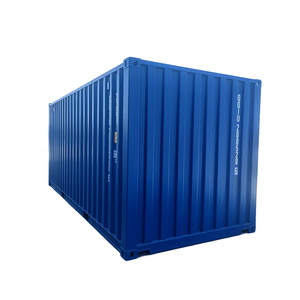
ISO Tank containers (such as IMO Type 1 and Type 2 tanks) are designed to safely transport liquid chemicals and compressed gases under high pressure without leakage risks. Combined with heavy-duty 3-axle flatbed semi-trailers, these units facilitate seamless multimodal transitions from ocean vessels onto inland road networks, delivering bulk industrial liquids directly to plant storage facilities across Saudi Arabia, Africa, and North America.
Partner with China's leading hazardous freight manufacturers and exporters. Get instant access to certified UN packaging, direct DDP customs clearance, and competitive multimodal ocean/air freight rates.