China Top Vessel Chartering Services Manufacturer & Exporters

Global Maritime Logistics Engineering, Breakbulk & Heavy Lift Operations, Saudi Customs DDP Architecture, and Strategic Industrial Ocean Chartering Solutions

Featured Multimodal Transport & Chartering Solutions

Explore our flagship freight forwarding, vessel chartering, and door-to-door (DDP) logistics products optimized for global enterprise supply chains.
Saudi Customs Approved Door-to-Door Shipping Service China DDP Air Freight LCL Sea Consolidation

Saudi Customs Approved Door-to-Door Shipping Service China DDP Air Freight LCL Sea Consolidation Solutions Express LCL Product

Send an Inquiry
Most Best Professional Door Transport DDP International Logistics Services Freight Forwarder LCL+Express

Most Best Professional Door Transport DDP International Logistics Services Freight Forwarder LCL+Express Multimodal Transport

Send an Inquiry
Cheapest Air Sea DDP LCL International Logistics Service Top 10 China to USA UK Canada Express Freight Forwarder

Cheapest Air Sea DDP LCL International Logistics Service Top 10 China to USA UK Canada Express Freight Forwarder Shipping Agent

Send an Inquiry
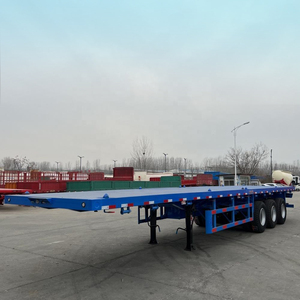
Multi Purpose 3 Axle Flatbed Semi Trailer for African Port Inland Multimodal Container and Goods Transport

Multi Purpose 3 Axle Flatbed Semi Trailer for African Port Inland Multimodal Container and Goods Transport

Send an Inquiry
China Shipping Agent/freight Forwarder Door-to-Door Delivery Service LCL DDP Shipping From Shenzhen/Yiwu To USA

China Shipping Agent/freight Forwarder Door-to-Door Delivery Service LCL DDP Shipping From Shenzhen/Yiwu To USA/Canada/UK/France

Send an Inquiry
Flexible Multimodal Transport Combining Sea air and Truck for Optimal China to USA Shipping Multimodal Transport

Flexible Multimodal Transport Combining Sea air and Truck for Optimal China to USA Shipping Multimodal Transport

Send an Inquiry
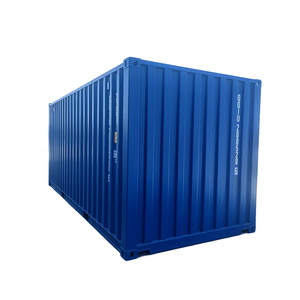
Factory Whole Sale 20FT/40FT ISO Standard Dry Cargo Shipping Container With ABS/CCS/LR/BV/KR Certificates

Factory Whole Sale 20FT/40FT ISO Standard Dry Cargo Shipping Container With ABS/CCS/LR/BV/KR Certificates

Send an Inquiry
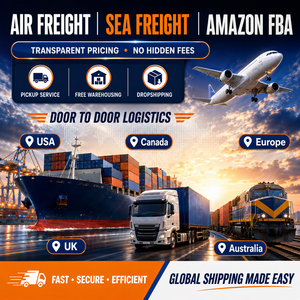
Global Multimodal Transport China USA Europe Fast Delivery Door-to-Door Free Storage Competitive Rates

Global Multimodal Transport China USA Europe Fast Delivery Door-to-Door Free Storage Competitive Rates Live Shipment Visibility

Send an Inquiry

Enterprise Infrastructure & Global Reach

Quantifiable operational excellence backed by 25+ years of maritime freight experience and specialized logistics assets.

25+
Years Industry Journey
140+
Owned Transport Vehicles
110+
Global Destination Countries
15
Strategic Regional Hubs

E-E-A-T Authority Note: Headquartered in Dammam, Saudi Arabia, with primary maritime operations spanning major Chinese origin ports (Shenzhen, Yiwu, Ningbo, Shanghai, Qingdao), Bluemax Cargo / Delano Logistics operates as a licensed customs clearance broker and vessel chartering manufacturer & exporter. Fully integrated with Saudi Customs (FASAH) regulations and international maritime standards (ABS, CCS, LR, BV, KR certified).

Industrial Whitepaper: Vessel Chartering & Global Maritime Operations

An authoritative engineering guide for supply chain directors, procurement executives, and EPC contractors managing breakbulk, project cargo, and large-scale ocean freight flows.

1. Fundamentals of Vessel Chartering vs. Standard Container Freight

In modern industrial international trade, standard Liner Service containerization (FCL/LCL) often lacks the flexibility, volumetric capacity, or specialized gear required for heavy industrial plant equipment, structural steel, oversized machinery, or high-volume raw commodities. Vessel chartering serves as the structural backbone for high-yield trade routes between major Chinese manufacturing corridors and global discharge ports across the Middle East (Dammam, Jubail, Jeddah), North America, and Europe.

Chartering involves contracting an entire sea-going vessel or a substantial portion of its cargo hold (Part-Charter) under specific legal terms governed by international maritime bodies such as BIMCO. Unlike fixed liner schedules, chartering provides tailored laytime windows, customized port call sequences, and precise lashing/securing protocols engineered for heavy-lift and out-of-gauge (OOG) consignments.

Charter Mode Contract Structure Operational Risk Allocation Ideal Cargo Type
Voyage Charter Payment based on freight rate per metric ton or lump-sum per voyage. Shipowner assumes operational, bunker fuel, and navigation risks. Breakbulk, steel coils, bulk grain, specialized project machinery.
Time Charter (T/C) Vessel hired for a defined duration (months/years) at a daily hire rate. Charterer manages fuel (bunkers), port charges, and cargo operations. High-frequency industrial EPC projects, continuous trade lanes.
Bareboat Charter Vessel leased without crew or operational management. Charterer takes full operational, technical, and crewing responsibility. Long-term corporate fleet expansion, sovereign supply chains.
Part-Chartering / Parceling Co-utilization of heavy-lift vessel deck space or hold compartments. Shared vessel expenses managed by the chartering broker. Oversized equipment (<5,000 CBM) requiring heavy-lift ship cranes.

2. Engineering Precision in Heavy-Lift & Project Cargo Stowage

Transporting heavy machinery and modular structural units from Chinese manufacturing hubs requires rigorous marine engineering calculations. Over 40% of maritime cargo damage claims stem from inadequate stowage factor planning, improper load distribution across tanktop structures, or failure to calculate dynamic ship motion stress (pitch, roll, heave).

Our dedicated vessel chartering engineering team develops comprehensive Method Statements and 3D Stowage Computer Simulation Models prior to vessel arrival at origin berth (such as Shanghai, Tianjin, or Ningbo). Key parameters evaluated include:

  • Tanktop Strength Limits (MT/m²): Ensuring point loads of heavy machinery do not exceed the structural yield threshold of the vessel's hold deck. Spreader beams, dunnage mats, and heavy steel plates are deployed to distribute weight evenly.
  • Rigging & Lashing Geometry: Designing certified lashing arrangements adhering to CSS Code (Cargo Stowage and Securing Code). Utilizing high-tensile chain stoppers, turnbuckles, and weldable D-rings with verified Breaking Strength (BS) ratings.
  • Crane Tandem Lift Capacity: Utilizing shipboard dual-crane systems (swiveling gear capable of tandem lifts up to 500–1,000 Metric Tons) for self-loading in ports lacking specialized shore-side gantry infrastructure.

3. End-to-End DDP Integration & Saudi Customs Regulatory Compliance

A major bottleneck in ocean chartering and international freight forwarding is destination port clearance and last-mile inland transportation. As an accredited Saudi Customs clearing agent operating out of Dammam, Bluemax Cargo bridges the gap between sea chartering and land side DDP (Delivered Duty Paid) execution.

Under Saudi Arabia's FASAH digital portal and SABER certification frameworks, importing industrial goods from China requires meticulous HS Code mapping, Conformity Certificate (CoC) validation, and pre-arrival manifest submission. Our integrated model unifies vessel chartering, customs brokerage, and multi-axle heavy transport (utilizing our fleet of 140+ owned specialized trailers) into a single, seamless contract—eliminating demurrage penalties, port storage surcharges, and inter-party dispute delays.

Core Enterprise Capabilities & Operational Advantages

Leveraging specialized assets and proven operational workflows to deliver superior information gain, operational transparency, and cost efficiency.

Certified ISO Container Fleet

Direct factory supply of 20FT & 40FT ISO dry cargo and specialized open-top/flat-rack shipping containers backed by international classification societies including ABS, CCS, LR, BV, and KR.

Heavy Trailer & Land Fleet

Operational fleet of over 140 owned vehicles, including multi-purpose 3-axle flatbeds, low-bed heavy trailers, and hydraulic multi-axle modular units capable of transporting heavy project cargo inland.

Global Multimodal Synergy

Flexible Sea-Air-Road combination routes from primary Chinese manufacturing centers (Shenzhen, Yiwu, Guangzhou) to USA, Europe, UK, and GCC, offering live shipment tracking and free warehousing staging.

Direct Saudi Customs Brokerage

In-house licensed customs clearing teams at major Saudi ports and airports, delivering rapid duty assessment, tariff optimization, tariff code classification, and zero-delay green-lane release.

Future Sourcing & Chartering Procurement Trends (2025–2030)

Strategic foresight for industrial buyers: Navigating maritime decarbonization, digital charter contracts, and shifting global supply chain corridors.

IMO 2030 & Carbon Index Contracting

Enforcement of the IMO Carbon Intensity Indicator (CII) and Energy Efficiency Existing Ship Index (EEXI) is fundamentally altering charter party agreements. Future charter contracts increasingly incorporate "Green Clauses" (e.g., BIMCO CII Clauses), penalizing fuel inefficiencies and mandating slow-steaming routes. Industrial charterers must evaluate vessel energy ratings to avoid unexpected carbon surcharges or delayed port arrivals.

Blockchain Bills of Lading & Smart Laytime

Paper-based Charter Party documents and physical Bills of Lading (B/L) are rapidly being replaced by decentralized digital platforms (eBL). Automated IoT telemetry on chartered vessels enables real-time Statement of Facts (SoF) generation, automating Laytime calculations (NOR tender to loading completion) and eliminating friction in Demurrage and Despatch claims settlement.

Rise of Hybrid Multimodal Feeder Corridors

Geopolitical disruptions in traditional ocean chokepoints (Red Sea / Suez Canal) have accelerated the demand for integrated sea-to-overland multimodal corridors. Procurement managers are shifting toward hybrid charter routes—combining direct ocean vessel chartering to safe-deepwater hubs with rapid overland heavy-truck relay networks (e.g., UAE/Oman port discharge with cross-border land transport to Saudi Arabia).

Market Evolution: China-to-Global Shipping Dynamics

Analysis of freight rate volatility, spot vs. long-term charter contract strategies, and industrial containerization trends.

The global shipping market from China to major importing destinations has undergone structural transformations over the past five years. Key macro trends shaping enterprise procurement decisions include:

Breakbulk Containerization Shift

During peak container rate spikes, breakbulk operators successfully containerized traditional loose cargo. As container rates stabilize, buyers are utilizing hybrid parcel chartering to maintain cost leadership on heavy equipment.

Contract Diversification

Enterprise buyers are avoiding 100% exposure to spot freight rates. The current industry standard favors 60% volume under index-linked long-term Time Charters combined with 40% spot market flexibility.

DDP All-Inclusive Risk Transfer

Buyers increasingly demand DDP terms over traditional FOB/CIF. This shifts customs compliance risk, inland haulage liability, and port demurrage charges onto the logistics provider.

Frequently Asked Questions (FAQ)

In-depth technical answers addressing critical sourcing, regulatory, and chartering procurement inquiries.

What is the main difference between Voyage Chartering and Standard LCL/FCL Ocean Freight?
Standard FCL (Full Container Load) and LCL (Less than Container Load) services utilize fixed-route commercial container liners operating on strict schedules with standardized ISO containers. Voyage Chartering involves leasing an entire vessel (or dedicated hold space) specifically customized for your cargo type, volume, loading schedule, and port destinations. Chartering is ideal for oversized project machinery, breakbulk steel, raw materials, or non-containerizable equipment that requires custom crane loading and certified seaworthy lashing engineering.
How are Laytime, Demurrage, and Despatch calculated in vessel charter agreements?
Laytime represents the agreed amount of time (expressed in hours or days) allocated to the charterer for loading and discharging cargo at berth without incurring extra charges. If loading/discharging operations exceed the allowed laytime, the charterer pays Demurrage—a predetermined daily penalty fee compensation to the shipowner. Conversely, if operations complete ahead of schedule, the shipowner pays Despatch (typically 50% of the demurrage rate) back to the charterer. Precise Notice of Readiness (NOR) timing and Statement of Facts (SoF) records are critical for these calculations.
Why is Saudi Customs Approval (FASAH) critical for DDP shipments from China?
Saudi Arabia enforces strict import compliance through its FASAH digital customs ecosystem and SABER product conformity platform. DDP (Delivered Duty Paid) shipping requires a licensed local customs broker capable of executing pre-customs clearance, paying appropriate Customs Duties and VAT, and obtaining final clearance certificates before vessel berth discharge. Bluemax Cargo holds direct Saudi Customs accreditation, ensuring seamless port clearance at Dammam, Jubail, or Jeddah without costly storage delays.
What classification society certificates are required for ISO cargo shipping containers?
International maritime regulations require dry cargo containers used for intermodal ocean freight to carry valid CSC (Container Safety Convention) safety approval plates certified by recognized IACS (International Association of Classification Societies) members. Common certifications include ABS (American Bureau of Shipping), CCS (China Classification Society), LR (Lloyd's Register), BV (Bureau Veritas), and KR (Korean Register of Shipping). These certificates guarantee structural integrity, floor loading strength, and stacking capacity for global ocean transit.
How does multimodal sea-air-truck transport optimize transit times versus cost?
Multimodal transport combines the cost efficiency of ocean freight with the speed of air or road transport. For example, cargo can be chartered or shipped via ocean vessel from China to a hub port (e.g., Dammam or Dubai), cleared rapidly through customs, and transferred onto specialized 3-axle flatbed trailers or air cargo charters for fast delivery to interior destination sites across North America, Europe, or the GCC. This hybrid approach typically cuts door-to-door transit times by 40-50% compared to pure sea routes while saving 60% compared to direct air freight.
What information is required to receive an accurate Vessel Chartering or Breakbulk quote?
To provide an accurate chartering quote and stowage feasibility study, our chartering desk requires: (1) Full cargo specification including dimensions (L x W x H), metric weight, center of gravity, and lifting points; (2) Load and discharge port details including draft restrictions and shore crane capacities; (3) Required Laydays / Cancelling (LAYCAN) dates; (4) Preferred Incoterms (FLT - Free In/Out Stowed, Hook-to-Hook, or Full DDP); and (5) Hazardous or special stowage requirements (IMDG classification).

Ready to Optimize Your Ocean Vessel Chartering & DDP Supply Chain?

Consult with our senior vessel chartering engineers and customs specialists today. Gain direct access to certified ISO containers, heavy-lift breakbulk engineering, and seamless Saudi Customs cleared door-to-door delivery worldwide.