Explore our export-certified heavy transport equipment, DDP door-to-door delivery frameworks, and multimodal freight consolidation assets designed for heavy industrial applications across North America, Europe, Africa, and the Middle East.

Fully compliant customs-cleared DDP sea/air consolidation for heavy machinery components via Dammam, Jeddah, and Riyadh dry ports.
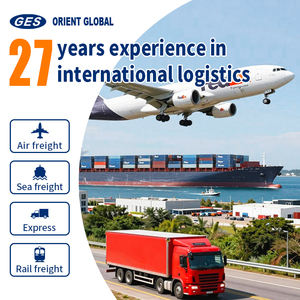
End-to-end heavy haul asset transport integrating high-capacity road freight, intermodal rail, and specialized express customs brokerage.
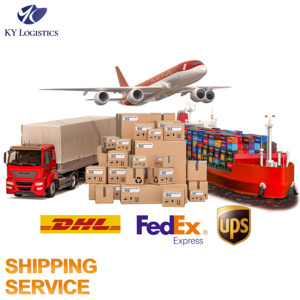
Optimized LCL & FCL sea consolidation connecting key manufacturing hubs in Asia directly to USA, UK, Canada, and Middle Eastern destinations.
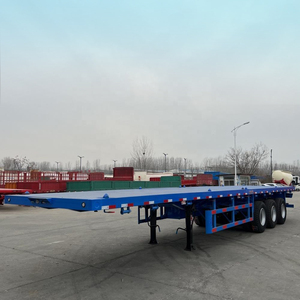
Engineered with high-tensile structural steel (Q345B/Q690D) designed for heavy container transport, breakbulk, and cross-border rough-terrain corridors.
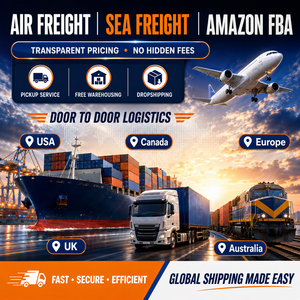
Full-spectrum freight forwarding solutions managing export packing, inland heavy transit, port clearance, and final mile jobsite unloading.
Dynamic routing architectures that reduce overall transit times by 35% using combined sea-air hubs and synchronized heavy truck dispatching.
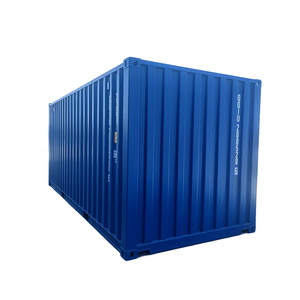
CSC safety certified by global classification societies (ABS, CCS, LR, BV, KR) constructed from anti-corrosive Corten steel for heavy payloads.
Enterprise-grade heavy haul transit featuring live IoT GPS tracking, ambient sensor telematics, and priority berth loading rights worldwide.
Heavy haul transportation represents the backbone of global industrialization, energy infrastructure expansion, infrastructure construction, and mining operations. Procurement officers, project engineers, and supply chain directors navigating global sourcing require more than simple asset transport—they demand structural reliability, engineering compliance, and seamless cross-border customs integration.
Operating from our strategic logistics headquarters in Dammam, Saudi Arabia, with established service networks extending across 110+ countries, Bluemax Cargo Co. (Delano Logistics) brings over a quarter-century (25+ years) of specialized expertise in high-capacity transportation equipment manufacturing, heavy-lift project cargo, and door-to-door (DDP) multimodal logistics. Operating a direct fleet of over 140 owned heavy vehicles, specialized multi-axle trailers, and ISO-certified container chassis, we bridge the gap between heavy equipment manufacturing precision and complex international export routes.
Core Procurement Advantage: Combining industrial manufacturing standards (S690QL high-strength steel fabrication, ISO 1496 compliance) with direct Saudi Customs (Fasah / ZATCA) authorized DDP clearance protocols ensures zero jobsite downtime and total regulatory compliance for over-dimensional loads (ODL).
The global heavy-haul sector is undergoing a monumental shift driven by stringent axle-load regulations, infrastructure preservation acts (such as US DOT Bridge Formulas and GCC GSO axle limits), and the accelerated demand for eco-efficient, high-tensile modular trailers. Selecting a top-tier manufacturer and export partner requires deep evaluation of mechanical design tolerances, dynamic stress analysis, hydraulic suspension load distribution, and multi-jurisdictional transport clearance.
The structural integrity of a heavy haul trailer depends primarily on the metallurgy of its main longitudinal beams, cross-member structural frequency, and axle assembly load mechanics. Premier manufacturers utilize Quenched and Tempered (Q&T) high-yield steel alloys such as S690QL or Q690D to deliver maximum payload-to-tare ratio without sacrificing structural rigidity.
The following engineering matrix outlines the operational specifications of primary heavy transport trailers manufactured for international export:
| Trailer Architecture Type | Payload Capacity Range | Structural Steel Grade | Axle Configuration Options | Suspension System | Target Industrial Application |
|---|---|---|---|---|---|
| Multi-Axle Lowbed Semi-Trailer | 40 - 120 Metric Tons | Q345B / Q690D High-Tensile | 2 / 3 / 4 / 5 Axles (BPW/FUWA) | Mechanical Leaf / Air Suspension | Excavators, Transformers, Heavy Machinery |
| Hydraulic Modular Trailer (SPMT/SPMP) | Up to 2,500+ Tons (Combined) | S690QL Special Alloy Steel | Pendular Axles (4 to 12 Axle Lines) | Hydraulic Compensation (±300mm) | Petrochemical Modules, Wind Turbines, Bridges |
| Extendable Telescopic Flatbed | 30 - 80 Metric Tons | HG60 / High-Yield Carbon Steel | 3 / 4 Tri-Axle Steering Assemblies | Air Ride / Heavy-Duty Mechanical | Long Structural Beams, Wind Blades, Pipes |
| ISO Container Skeleton Chassis | 30 - 45 Metric Tons | T700 Ultra-High Strength Steel | Dual / Tri-Axle (FUWA 13T-16T) | Bogie / Pneumatic Air Suspension | 20ft/40ft/45ft Multimodal Cargo Shipping |
As global supply chains transition toward digitized monitoring, carbon reduction imperatives, and automated jobsite logistics, purchasing decision-makers must align equipment specifications with emerging market dynamics.
Modern heavy haul trailers are increasingly integrated with embedded fiber-optic strain sensors and dynamic axle load meters. Procuring equipment with wireless IoT gateways enables fleet operators to monitor chassis stress, tire pressure, and kingpin load distribution in real-time, preventing structural fatigue and automating compliance logging for highway authorities.
Global decarbonization mandates require equipment manufacturers to maximize payload efficiency while lowering trailer tare weight. Advanced HSLA steels (such as Strenx 700/900) allow engineers to reduce chassis mass by up to 20% without losing load-bearing strength, directly translating to reduced fuel consumption during unladen transit steps.
The integration of autonomous self-propelled modular transporters (SPMTs) with intermodal sea-to-rail gateways is revolutionizing port operations. Equipment procurement now prioritizes standardized twist-lock matrices and quick-disconnect hydraulic goosenecks to ensure seamless transitions between ocean vessels, lowbed trailers, and rail bogies.
Hybrid and fully electric hydraulic power packs (e-PPU) are replacing traditional diesel auxiliary engines on heavy modular trailers. Global EPC contractors now favor manufacturers providing zero-emission hydraulic steering and deck-leveling subsystems to satisfy corporate ESG targets on major infrastructure projects.
The journey of a heavy haul trailer or over-dimensional industrial machine from the manufacturing floor to an international construction site involves complex engineering workflows. A reliable exporter must seamlessly master three vital pillars: Structural Engineering, Certification Compliance, and Multimodal Freight Operations.
No two heavy haul projects are identical. Leading manufacturers offer tailor-made structural engineering, including extendable decks, drop-side frames, steerable stub axles, and custom lashing points rated to DNV-GL marine standards. Rigorous Finite Element Analysis (FEA) testing ensures structural frames withstand severe torsional forces encountered during ocean transport and off-road transport.
Global export mandates strict adherence to international maritime and highway standards. Key certifications to verify prior to procurement include:
Procuring heavy haul assets under DDP (Delivered Duty Paid) terms transfers complex customs valuation, import duty tariffs, and inland escort coordination to the logistics provider. Utilizing established hubs like Dammam—supported by custom bond clearance, heavy-lift crane mobilization, and highway permit procurement—eliminates costly demurrage charges at destination ports.
Find authoritative technical answers to common questions encountered by global buyers, procurement managers, and logistics planners when sourcing heavy transport equipment.
Partner with an established manufacturer and global freight exporter. Access specialized engineering datasheets, customized trailer configurations, and comprehensive door-to-door DDP pricing for your exact project location.
Get Catalog