Explore our comprehensive suite of China-manufactured thermal packaging, ISO reefer containers, multi-axle cold transport chassis, and direct door-to-door (DDP) multimodal cold chain solutions engineered specifically to meet Tokyo's demanding import standards.





With over 25 years of specialized operational expertise in international freight forwarding, customs clearance, and cold chain manufacturing, our infrastructure bridges China's massive industrial manufacturing hub directly with Tokyo’s high-precision commercial distribution channels. We maintain full regulatory compliance across international maritime, aviation, and Japanese customs protocols.
The trade corridor connecting major Chinese manufacturing clusters (Guangdong, Zhejiang, Jiangsu, and Shandong) to the Greater Tokyo Area represents one of the world's most demanding logistics vectors. Temperature-sensitive freight—ranging from high-value biopharmaceuticals and live cell cultures destined for Tokyo laboratories to sushi-grade marine exports, specialized chemical reagents, and premium luxury confectionery—demands an uninterrupted cold chain. Maintaining thermal integrity across transit requires robust manufacturing standards for insulated equipment, integrated IoT monitoring, and streamlined customs clearance at Tokyo Port (Oi, Aomi, Shinagawa Terminals) and Narita/Haneda International Airports.
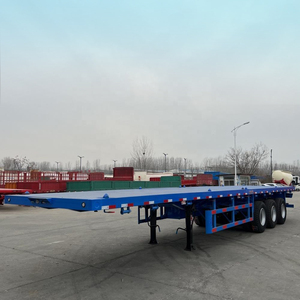
As a leading China temperature controlled logistics manufacturer and supplier, our operations integrate advanced thermal engineering with end-to-end logistics execution. We design, manufacture, and operate active reefer systems, passive Phase Change Material (PCM) thermal boxes, vacuum insulation panels (VIP), and specialized multi-axle refrigerated container chassis. By combining factory-direct equipment manufacturing with licensed DDP (Delivered Duty Paid) freight forwarding capabilities, we eliminate third-party handover vulnerabilities and provide Tokyo-based importers with complete thermal chain continuity.
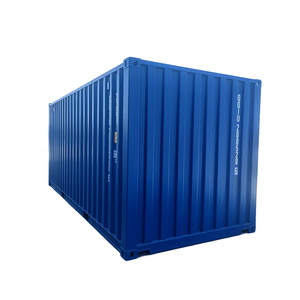
Our 20FT and 40FT ISO high-cube reefer containers incorporate variable-frequency dual compressors, micro-channel heat exchangers, and precise digital PID controllers capable of maintaining setpoints between -30°C and +30°C with an accuracy tolerance of ±0.2°C under harsh ocean environments.
Engineered for biopharmaceutical APIs and diagnostic samples sent to Tokyo research institutions, our VIP-insulated shippers paired with organic phase-change gel packs deliver validated 120-hour thermal hold times across extreme temperature zones (-70°C dry ice, -20°C frozen, +2°C to +8°C chilled).
Every shipment serving Tokyo is embedded with dual-mode GPS/4G-LTE cellular data loggers that transmit real-time updates regarding internal temperature, relative humidity, light exposure (door openings), and shock events directly to our web monitoring portal and mobile client dashboards.
Navigating the logistics landscape of the Greater Tokyo Area requires specialized knowledge of local delivery infrastructure, municipal traffic regulations, and strict Japanese quality standards (JIS & MHLW guidelines). We provide tailored cold chain logistics pathways designed specifically for Tokyo's key industrial hubs:
High-end sushi establishments and commercial seafood distributors in Toyosu Market demand flawless temperature retention for imported bluefin tuna, sea urchin, and shellfish. Our deep-freeze reefer containers (-50°C to -60°C super-freezer units) prevent myoglobin oxidation, preserving muscle color and moisture structure during transit from China to Tokyo Bay.
Japan’s stringent Good Distribution Practice (GDP) guidelines govern the import of vaccines, monoclonal antibodies, and clinical trial drugs. Our air freight cold chain solutions utilize active aviation containers (Envirotainer/RKN) paired with customs pre-clearance at Narita (NRT) and Haneda (HND), ensuring fast-track clearance without tarmac thermal spikes.
Temperature-sensitive artisanal chocolates, dairy ingredients, and fine pastries imported into Tokyo’s high-end retail districts require constant +15°C to +18°C dewpoint-controlled environments to prevent sugar bloom and condensation damage. Our micro-climate delivery vans provide flawless last-mile retail distribution.
Semiconductor photoresists and specialized liquid chemicals heading to research clusters in Tsukuba Science City and Kanagawa require precise temperature maintenance (+5°C to +10°C) and anti-vibration air-ride chassis transportation to avoid micro-separation of liquid polymers.
Select the optimal transport mode and thermal protection spec for your Tokyo-bound cargo based on transit urgency, volume, and sensitive thresholds:
| Cargo Type | Required Temp Range | Packaging / Container Tech | Primary Route & Hub | Avg. Transit Time | Compliance Certification |
|---|---|---|---|---|---|
| Biopharmaceuticals & Vaccines | -70°C to -20°C / +2°C to +8°C | Active Aviation RKN / VIP Dry Ice Shipper | PVG / SZX → NRT / HND Air Express | 24 – 48 Hours | MHLW GDP, ISO 13485, CE |
| Ultra-Deep Frozen Seafood | -50°C to -60°C Super-Freezer | 40FT Thermo King Deep Freezer Container | Qingdao / Ningbo → Tokyo Bay Port | 3 – 5 Days | HACCP, ISO 22000, JAS |
| Fresh Produce & Cut Flowers | +1°C to +4°C (RH 85-95%) | Controlled Atmosphere (CA) Reefer LCL | Shanghai → Yokohama / Tokyo Port | 4 – 6 Days | Japan Plant Protection Act |
| Confectionery & Dairy Products | +15°C to +18°C Humidity Controlled | 20FT Insulated Reefer / Dehumidified Unit | Xiamen / Ningbo → Tokyo Port | 4 – 7 Days | Food Sanitation Act Japan |
| Specialty Electronics Chemicals | +5°C to +25°C Constant Temp | Air-Ride Reefer Trailer + Real-Time Telematics | Multimodal Truck-Sea-Truck DDP | 5 – 8 Days | JIS, GHS, Hazardous Goods Class 3/8 |
Procurement directors and supply chain managers serving the Japanese market must adapt to several critical legislative and technological shifts currently re-shaping the China-Japan cold chain corridor:
With Japan enforcing strict 960-hour annual overtime caps on commercial truck drivers (the "2024 Problem"), long-haul inland trucking from Tokyo Bay ports faces increased costs and potential capacity bottlenecks. To offset this, our logistics services utilize pre-sorted palleted micro-distribution hubs in Chiba and Kanagawa, minimizing driver wait times and enabling fast cross-docking into central Tokyo.
In alignment with Japan's Green Growth Strategy and Kigali Amendment mandates, our container manufacturing line has transitioned to eco-friendly, zero-ODP refrigerants (R-1234yf and R-452A). These advanced cooling systems reduce greenhouse gas emissions by over 65% compared to legacy R-404A systems while maintaining superior COP efficiency in humid Tokyo summer climates.
Tokyo customs authorities require absolute transparency regarding product origin and temperature history. Our direct EDI linkage with Japan’s NACCS (Nippon Automated Cargo and Port Consolidated System) allows automated submission of thermal log reports and sanitary certificates, reducing cargo hold times at Tokyo customs terminals from days to mere hours.
Whether you require high-volume factory-direct ISO reefer containers, GDP-compliant biopharmaceutical packaging, or fast-track DDP door-to-door freight forwarding to Greater Tokyo, our engineering and logistics teams are ready to deploy optimized thermal solutions.