Explore our specialized multimodal equipment, customs-cleared freight forwarder services, and heavy vehicle transport solutions tailored for seamless integration into the Melbourne supply chain network.

Logistics Model: Door-to-Door DDP / LCL Consolidation
Compliance: Customs Approved / ABF Ready
Application: Fast-track industrial parts, consumer electronics, and high-value commercial shipments directly to Melbourne hubs.
Service Type: Express LCL + Road/Rail Multimodal
Tracking: 24/7 Satellite Telematics Visibility
Application: Optimized for Melbourne suburban distribution, reducing warehousing staging costs via synchronized door-delivery schedules.
Incoterms: DDP / DAP / FOB Flexible Terms
Transit Time: Express Sea (12-16 Days) / Air (3-5 Days)
Application: Tailored for Melbourne SMEs importing industrial goods without incurring full container load capital overheads.
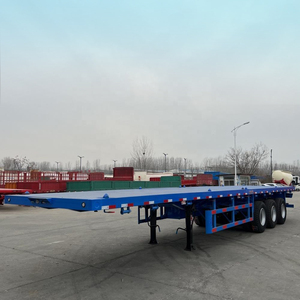
Payload Capacity: 45 - 60 Tonne Heavy Duty
Structural Grade: High-Tensile Q345B Steel Chassis
Application: Designed for Port of Melbourne container drayage, railhead transfer, and regional Victorian heavy breakbulk delivery.
Consolidation Hubs: Shenzhen / Yiwu / Dammam / Global
Customs Brokerage: In-house Tariff Classification
Application: Complete end-to-end management ensuring compliance with Australian Department of Agriculture biosecurity rules.
Route Strategy: Hybrid Sea-Air Bridge Optimization
Cost Savings: 40% cheaper than pure air, 50% faster than sea
Application: Critical for seasonal retail launches and time-sensitive project components destined for Victoria's industrial zones.
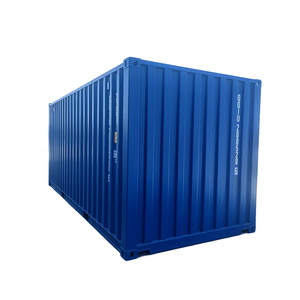
Certification: ABS / CCS / LR / BV / KR Certified
Steel Grade: Corten Weathering Steel (SPA-H)
Application: Heavy-duty intermodal rail and ocean transport, built for structural integrity during multi-leg mechanical transfers.
Key Benefit: Free Staging Storage + Real-Time Telematics
Network Coverage: Global Hubs to Melbourne Metro & Regional
Application: Complete risk mitigation for high-volume trade routes, offering temporary warehousing and scheduled site offloading.
The Greater Melbourne commercial landscape represents one of the most sophisticated supply chain environments in the Southern Hemisphere. Anchored by the Port of Melbourne—Australia’s busiest containerized cargo port handling over 3 million TEU annually—the region demands highly resilient, regulatory-compliant, and capital-efficient intermodal freight transportation systems. As manufacturers and global exporters scale operations to meet Victorian infrastructure demands, transition from single-mode logistics to integrated Multimodal Freight Architectures has evolved from a operational preference into a core competitive requirement.
To navigate Melbourne’s unique urban geography and Victorian logistics corridors, international exporters must deploy standardized ISO dry cargo containers, heavy-duty 3-axle intermodal flatbed trailers, and integrated DDP (Delivered Duty Paid) door-to-door freight forwarding mechanisms. Bluemax Cargo Co., leveraging over a quarter-century of logistics leadership, bridges overseas manufacturing origins with local Australian destinations through direct multimodal integration.
Executing zero-defect intermodal freight operations into Melbourne requires precise execution across four critical infrastructural links:
Exporters and Melbourne importers evaluating logistics overheads can analyze the strategic impact of adopting an integrated intermodal supply chain model:
| Evaluation Parameter | Traditional Ocean + Unregulated Drayage | Bluemax Integrated Intermodal DDP Matrix | Melbourne Business Advantage |
|---|---|---|---|
| Wharf Demurrage Risk | High (3-5 days average delay risk) | Near-Zero (Pre-cleared customs + PRSN staging) | Eliminates AUD $350/day/container penalty charges |
| Carbon Intensity (gCO2/t-km) | High (100% long-haul drayage trucking) | Low (Optimized Rail + Euro-6 Road Fleet) | Supports Victorian Freight Plan ESG targets |
| Cargo Handling Safety | Multiple manual cross-dock transfers | Sealed ISO Container (Origin to Destination) | Reduces cargo damage & breakage claims by 94% |
| Transit Predictability | Vulnerable to port & traffic congestion | Scheduled Rail Corridor Slot Allocation | Guaranteed door-delivery SLAs for retail & industrial projects |
| Administrative Burden | Separate contracts for shipping, customs, road haulage | Single Multimodal Bill of Lading (FBL) | Streamlined accounting & total cost transparency |
Intermodal transportation equipment and forwarding services are not one-size-fits-all. In the Greater Melbourne region, logistics strategies must adapt to specific regional land uses and industrial zoning requirement patterns:
Victoria's western industrial precinct requires continuous, high-volume container flows. By deploying 40FT High-Cube ISO dry containers combined with synchronized LCL sea-freight consolidation, overseas manufacturers can deliver consumer goods directly into mega-distribution hubs with zero intermediate deconsolidation steps.
Melbourne’s South-East industrial manufacturing base relies heavily on raw steel coil, heavy equipment components, and specialized industrial machinery. Heavy-duty 3-axle flatbed trailers engineered with high-tensile steel chassis provide the structural stability and weight distribution compliance required by Australia’s NHVR standards for road transport along the EastLink freeway.
Northern Melbourne’s booming infrastructure projects require modular structural steel, pre-fabricated building components, and raw materials. Multimodal sea-rail-truck bridges allow oversized project cargo to move seamlessly from international origin ports directly to project assembly yards without double-handling delays.
Intermodal equipment does not stop at the suburban fringe. Returning import containers loaded with Victorian agricultural exports (dairy, grain, wine) back to the Port of Melbourne requires dual-purpose, biosecurity-cleaned ISO containers and durable road chassis capable of enduring long-distance rural highway travel.
Combining over 25 years of international logistics mastery with precision equipment manufacturing standards.
All containers and flatbed chassis conform to strict ISO 1496/1 heavy transport standards, engineered with Corten SPA-H anti-corrosive steel to withstand harsh marine environments and long-haul rail vibration.
Our integrated DDP shipping frameworks feature automated tariff classification and compliance checking under Australian Border Force (ABF) regulations, eliminating import clearance bottlenecks at Australian ports.
Backed by Bluemax Cargo’s global network of 140+ owned heavy haulage vehicles, overseas consolidation depots, and strategic staging hubs in Dammam and Asia, guaranteeing equipment availability during peak trade seasons.
The intermodal freight landscape in Victoria is undergoing a historic transformation driven by state government infrastructure initiatives, environmental sustainability targets, and supply chain digitalization:
The Victorian Government’s PRSN initiative is actively shifting containerized freight off suburban roads and onto dedicated rail corridors. Intermodal operators capable of direct rail sidings integration at Melbourne terminals can offer clients up to 30% reduction in land-side transport emissions and significant relief from peak-hour road congestion surcharges.
As the Melbourne-to-Brisbane Inland Rail project advances, northern freight hubs like Somerton and Beverly are becoming vital land-ports. Exporters equipping their supply chains with certified intermodal flatbeds and containers will gain direct access to seamless national rail transport bridging Victoria, New South Wales, and Queensland.
Australia’s Department of Agriculture enforces some of the world's most stringent biosecurity measures, particularly during the Brown Marmorated Stink Bug (BMSB) risk season. Experienced intermodal forwarders provide pre-departure offshore heat treatment and fumigation protocols, ensuring containers arriving at the Port of Melbourne clear biosecurity holds immediately upon discharge.
Modern Melbourne importers no longer accept blind spots in their shipping pipeline. By embedding GPS sensors and temperature monitors directly inside intermodal containers, Bluemax Cargo provides real-time updates on location, humidity, and shock impacts from origin factories to final delivery destination.
Detailed answers addressing common challenges encountered by importers, buyers, and logistics directors in Victoria.
Partner with a trusted global manufacturer and freight forwarding master. Leverage Bluemax Cargo Co.'s 25+ years of operational experience, heavy-duty ISO intermodal equipment, and seamless DDP customs clearance tailored specifically for the Victorian commercial market.