Direct liner carrier allocations, optimized ocean freight tariffs, and tailored container configurations
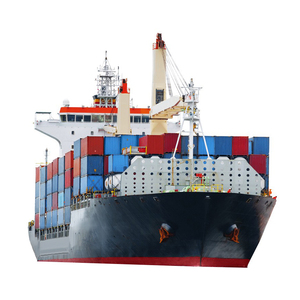
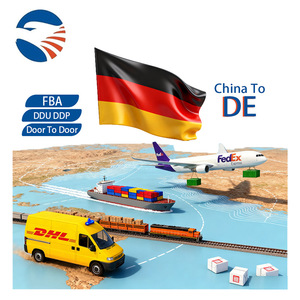
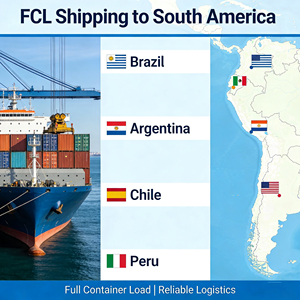
Brazil represents the economic engine of South America, accounting for over 40% of the continent's total international trade volume. As global manufacturing networks diversify and intercontinental trade deepens between Asia, Europe, the Middle East, and Latin America, establishing a resilient, cost-effective, and fully compliant port-to-port ocean freight supply chain is paramount for enterprise exporters and Brazilian importers alike.
Port-to-port shipping serves as the core foundation of international maritime logistics. Unlike door-to-door or DDP modalities, port-to-port contracts give buyers and suppliers complete leverage over ocean liner selection, freight rates, container demurrage structures, and localized customs clearance schedules. However, shipping to Brazil presents distinct maritime dynamics—ranging from specific container quay productivity levels at the Port of Santos to stringent regulatory frameworks overseen by Receita Federal (RFB), MAPA (Agriculture Ministry), and ANVISA (Health Regulatory Agency).
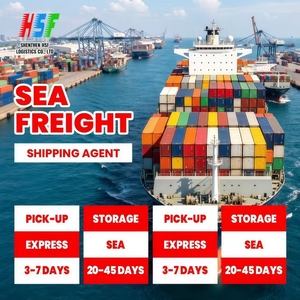
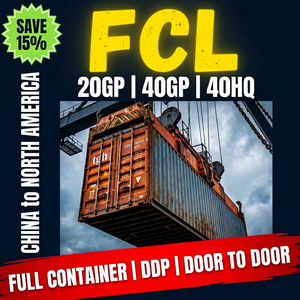
As a leading international freight supplier and global exporter network with over 25 years of proven operational experience, our enterprise delivers high-capacity Full Container Load (FCL) and Less than Container Load (LCL) services specifically engineered for the Brazilian maritime market. By securing tier-one carrier allocations with major ocean liners (such as Maersk, MSC, COSCO, CMA CGM, and ONE), we ensure stable vessel space, competitive ocean freight rates, and seamless document processing from origin loading ports straight to Brazil's main coastal gateways.
Strategic analysis of port capabilities, hinterland connections, and liner transit times
Primary Trade Hub: Handling over 28% of Brazil's total foreign trade, Santos is South America's largest container port. Equipped with advanced terminal infrastructure (BTP, Santos Brasil, DP World), it acts as the principal entry point for industrial machinery, automotive components, and consumer goods serving São Paulo and the broader Southeast economic corridor.
Agribusiness & Industrial Gateway: Located in Paraná, Paranaguá is Brazil's second largest container port and a primary hub for agricultural machinery imports, fertilizer shipments, and heavy industrial equipment. Features dedicated container terminals (TCP) with direct rail and highway hinterland connectivity.
Southern Manufacturing Gateway: Serving Santa Catarina and Rio Grande do Sul, the Port of Navegantes (Portonave) offers exceptional operational turnaround times for refrigerated containers (Reefer), specialized electronics, raw plastic resins, and textiles destined for Southern Brazil's manufacturing clusters.
| Destination Port (Brazil) | Primary Origin Regions | Avg. Ocean Transit Time | Recommended Cargo Types | Customs Transit (DTA) Options |
|---|---|---|---|---|
| Santos (BRSSZ) | China, Asia-Pacific, GCC, Europe | 28 - 34 Days (Direct) | FCL Electronics, Auto Parts, Industrial Machinery | High capability to Dry Ports (Recintos Alfandegados) |
| Paranaguá (BRPNG) | East Asia, South East Asia | 30 - 36 Days | FCL/LCL Heavy Equipment, Agribusiness Inputs | Direct highway link to Curitiba & Mato Grosso |
| Navegantes (BRNVG) | China, Vietnam, Turkey | 32 - 38 Days | Reefer Cargo, Textiles, Polymer Resins | Fast-track customs clearance at Southern terminals |
| Suape (BRSUA) | Middle East, Asia, USA | 26 - 32 Days | Solar PV Panels, Renewable Infrastructure, Chemicals | Pernambuco industrial hub connections |
| Manaus (BRMAO) | China, Korea, Taiwan | 40 - 48 Days (Transshipment) | CKD Electronics, Components for Free Trade Zone (ZFM) | Specialized Amazon river barge feeder transit |
How specialized port-to-port freight forwarding powers key sectors of the Brazilian economy
Brazil's agricultural heartland in Mato Grosso and Goiás relies heavily on imported combine harvesters, tractor parts, and irrigation components sourced from global manufacturing hubs. Our port-to-port FCL services utilize 40ft High Cube and Open Top specialized containers shipped to Santos or Paranaguá. We coordinate extended free-time agreements (up to 21 days of container demurrage protection) allowing importers sufficient buffer to arrange heavy-lift inland road transport across the Midwest agrarian corridor.
With Brazil expanding its solar and wind energy matrix, massive shipments of photovoltaic (PV) modules, inverters, and steel mounting structures are dispatched to Northeast ports like Suape (Pernambuco) and Pecém (Ceará). Our freight engineering team optimizes vessel space on direct ocean services, ensuring anti-damp container packaging, shock-absorption loading protocols, and fast-track ocean Bill of Lading (B/L) releases to support rigid project commissioning timelines.
Global electronics manufacturers shipping semi-knocked down (SKD) and completely knocked down (CKD) components to the Zona Franca de Manaus require specialized feeder logistics. Freight is shipped via ocean liner to coastal transshipment hubs (such as Santos or Panama/Caribbean ports) and transferred to cabotage river vessels navigating the Amazon Basin. We handle meticulous port-to-port bill of lading alignment to comply with SUFRAMA tax incentive registration requirements.
Just-in-Time (JIT) automotive production in Bernardo do Campo, Campinas, and Sorocaba demands strict container arrival predictability at the Port of Santos. We provide guaranteed equipment availability at origin, priority vessel loading, and real-time container satellite tracking so tier-1 automotive suppliers can synchronize port discharge directly with local customs brokers and bonded warehouses.
The Brazilian logistics landscape is undergoing a structural digital and regulatory transformation. Importers and international exporters must adapt to key systemic shifts to maintain supply chain competitiveness:
Brazil is completing its transition to the DUIMP (Declaração Única de Importação), streamlining import declarations. This reduces port customs clearance times from 9 days to under 3 days, placing a premium on error-free Bill of Lading (B/L) and NCM code data submission at origin ports.
The Brazilian federal initiative to expand coastal shipping (BR do Mar) enables more efficient port-to-port feeder distribution between Santos, Suape, Pecém, and Manaus, lowering inland freight reliance and total logistics carbon footprints.
Brazil's historic consumption tax reform consolidates ICMS, PIS, and COFINS into dual VAT taxes (CBS and IBS). Ocean freight freight prepaid vs. collect terms must be strategically structured to optimize tax credits for Brazilian importers.
Essential answers for Brazilian logistics managers, procurement agents, and international trade exporters
Shipping to Brazil requires precise documentation to clear Receita Federal customs. Crucial documents include: the Master/House Bill of Lading (B/L) with mandatory CE-Mercante submission, Commercial Invoice signed in blue ink (or valid digital signature), Packing List, Certificate of Origin (where applicable), and exact NCM (Nomenclatura Comum do Mercosul) tariff classification numbers for every item.
The CE-Mercante (Conhecimento Eletrônico de Transporte Aquaviário) is an electronic manifest system operated by the Brazilian federal tax agency. Ocean carriers and freight forwarders must transmit exact B/L freight data to the system prior to vessel arrival. Discrepancies between physical B/L data and CE-Mercante records result in heavy fines and customs holds at ports like Santos.
Port congestion and customs clearance inspections (channel checks) can delay container pickup. We proactively negotiate extended demurrage free-time packages (14 to 21 days) directly with ocean shipping lines on behalf of our clients, providing an essential risk buffer against unexpected port delays.
Under Brazilian tax law, Freight Prepaid means ocean freight charges are settled at origin by the exporter, while Freight Collect implies settlement in Brazil by the importer. Choosing Freight Collect requires the Brazilian buyer to pay AFRMM (Merchant Marine Renewal Tax) and local bank remittance taxes. Our experts consult with buyers to determine the most tax-efficient freight term.
The Ministry of Agriculture (MAPA) rigorously inspects all solid wood packaging material (pallets, crating, dunnage). All timber must bear the official IPPC heat-treatment stamp. Non-compliant packaging faces immediate mandatory re-export of the entire container back to origin at the shipper's expense.
Direct liner services from major Asian load ports (Ningbo, Shanghai, Shenzhen, Singapore) to the Port of Santos typically take 28 to 34 days. Indirect transshipment options may take 38 to 45 days. We prioritize direct services to minimize transit risks.
Backing your supply chain with 25+ years of operational excellence, robust carrier contracts, and deep technical mastery of Brazilian maritime trade corridors.
Direct contract rates and guaranteed container space commitments with top ocean carriers (MSC, Maersk, COSCO, CMA CGM) ensuring vessel access during peak shipping seasons.
Specialized documentation desk proficient in CE-Mercante transmission, DUIMP processing, NCM tariff verification, and MAPA wood treatment compliance.
Over 140 owned vehicles, global origin consolidation centers, and industrial packaging capabilities for high-value and heavy machinery cargo.
Customized contract terms providing 14–21 days of container free-time at Santos, Paranaguá, and Southern Brazilian ports to prevent costly demurrage penalties.
Advanced tracking platforms giving exporters and Brazilian buyers 24/7 visibility over milestone events, vessel positions, and port discharge statuses.
Single point of contact for every shipment, providing proactive communication, immediate crisis resolution, and custom freight billing solutions.