Turnkey automated storage equipment, ISO certified container fleet, heavy transport semi-trailers, and direct-to-USA DDP door-to-door freight forwarding infrastructure.

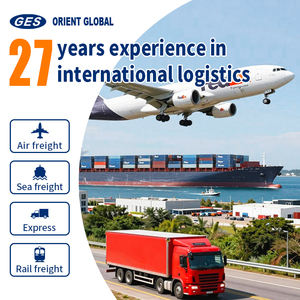
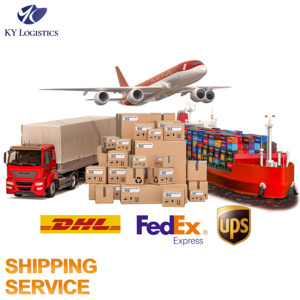
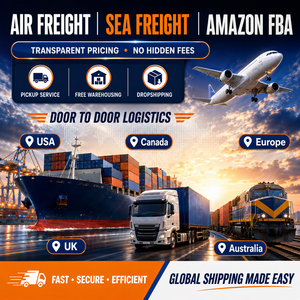
The modern supply chain landscape across the United States is undergoing a profound paradigm shift. Driven by relentless e-commerce growth, labor availability bottlenecks, and the urgent imperative for throughput optimization, American enterprise logistics hubs—from the Inland Empire in California to the Midwest distribution corridors—are rapidly transitioning toward fully automated cargo warehousing architectures. As a premier manufacturer and global exporter of high-density automated storage and retrieval systems (AS/RS), specialized ISO-certified freight containment, and integrated DDP (Delivered Duty Paid) multimodal transport solutions, our organization stands at the nexus of industrial automation and international supply chain execution.
Achieving operational efficiency in the US import market requires more than standard racking or basic freight forwarding. It demands a holistic, turnkey integration of structural engineering, warehouse control software (WCS), IoT-driven material handling, and end-to-end customs clearance compliance. This technical whitepaper evaluates key technological benchmarks, localized regional deployment strategies, regulatory compliance (ANSI/MH16.1, OSHA 1910, C-TPAT), and economic ROI considerations vital for US procurement directors, logistics engineers, and enterprise buyers.
Deploying automated warehousing hardware (pallet shuttles, high-bay racking, AGVs) without synchronizing upstream origin-side container loading and DDP freight handling leads to severe intermodal friction. Our unified model merges factory-direct AS/RS manufacturing with ISO container construction and direct-to-USA customs-cleared freight forwarding, eliminating up to 35% of handling delays at US West and East Coast ports.
Our manufacturing facilities produce high-precision structural components and automated machinery built specifically to withstand the rigors of high-bay continuous operations. The core components of our automated cargo warehousing portfolio include:
Designed for ultra-dense pallet storage, our AS/RS shuttle systems utilize high-strength structural steel uprights manufactured in strict accordance with ANSI MH16.1 specifications. Integrated with lithium-iron-phosphate (LiFePO4) powered shuttle carts, the system delivers rapid horizontal and vertical movements within high-bay drive-in rack channels, achieving speeds up to 1.5 m/s with heavy payloads up to 1,500 kg per pallet position.
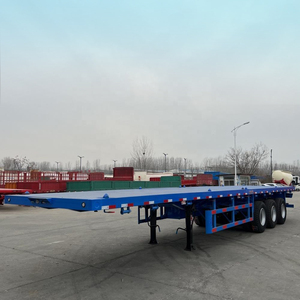
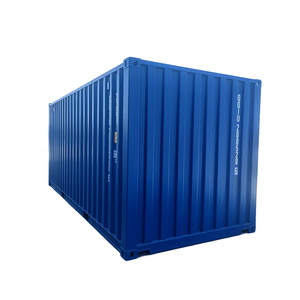
Seamless automated warehousing extends outside the building envelope into the container yard. We manufacture wholesale 20FT and 40FT dry cargo shipping containers built from high-tensile SPA-H Corten steel, fully certified by international classification societies including ABS, CCS, LR, BV, and KR. Paired with our 3-axle flatbed semi-trailers, these units allow automated loading/unloading systems to transfer cargo directly from dock levelers to over-the-road (OTR) intermodal fleets.
| Engineering Metric | Conventional Pallet Racking | Semi-Automated Shuttle Racking | Full High-Bay AS/RS System (Our Advantage) |
|---|---|---|---|
| Storage Density | Baseline (1.0x) | High (2.2x) | Maximum (3.8x Footprint Efficiency) |
| Labor Requirement | 100% Forklift Dependent | 50% Forklift + Shuttle | <15% (Fully Autonomous WCS) |
| Vertical Stacking Height | Up to 8-10 meters | Up to 15 meters | Up to 40 meters (High-Bay) |
| Throughput (Pallets/Hr) | 20 - 35 pallets/hr | 50 - 75 pallets/hr | 180+ pallets/hr (Multi-Crane) |
| USA Safety Standard Compliance | Basic OSHA | OSHA / ANSI | Full ANSI MH16.1, Seismic Zone 4, OSHA 1910 |
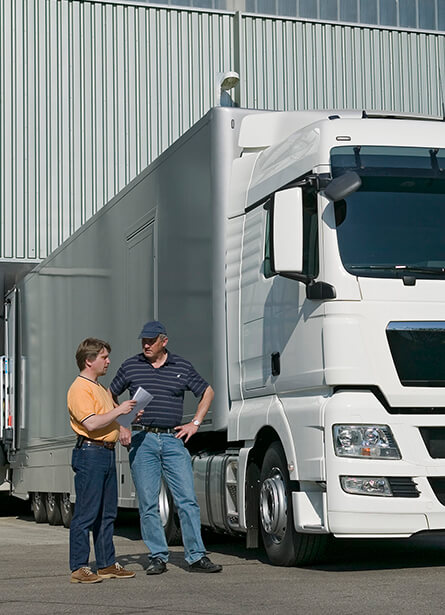
Unlike isolated equipment suppliers or traditional freight agents, our enterprise model integrates physical manufacturing with dedicated DDP logistics channels. Operating out of primary manufacturing and staging infrastructure in Dammam and main Chinese export hubs (Shenzhen, Yiwu, Ningbo), we manage the entire lifecycle of your warehouse deployment.
We handle heavy machinery ocean freight, customs tariff classifications (HTS code compliance), bonded staging, and final delivery to US fulfillment centers. This unified provenance guarantees that structural racking components and automated machinery arrive on site undamaged, fully documented, and ready for immediate seismic anchoring and WMS software commissioning.
Automation solutions must be tailored to the distinct geographical, regulatory, and infrastructural demands of target US regional markets. Below are key deployment scenarios where our automated cargo warehousing and multimodal transport services provide decisive operational advantages:
High land acquisition costs in Ontario, Rancho Cucamonga, and Chino necessitate vertical expansion. Our high-bay AS/RS solutions maximize cubic volume utilization, while our ocean LCL/FCL DDP freight via the Ports of Los Angeles and Long Beach bypasses port congestion through off-dock container staging.
Serving as the primary rail distribution heartland, Midwest warehouses demand heavy load capacities. Our 3-axle flatbed trailers and ISO standard Corten containers facilitate seamless transfers from Class I intermodal rail ramps (BNSF, UP, Norfolk Southern) directly into cold storage and industrial shuttle warehouses.
Rapid manufacturing growth in the Sunbelt requires automated warehousing tailored to humid, hurricane-prone environments. Our heavy-duty racking systems feature hot-dip galvanized and powder-coated anti-corrosion finishes, paired with direct DDP sea consolidation services into the Ports of Savannah, Charleston, and Houston.
The North American warehousing and automated material handling market is shaped by several key structural trends that enterprise buyers must navigate:
As US companies diversify supply chains away from single-source reliance, regional distribution hubs across North America are scaling up. Automated cargo warehousing allows facilities to handle larger SKU volumes with lean operational teams, ensuring high resilience against domestic labor market volatility.
US municipalities require strict compliance with the International Building Code (IBC) and RMI (Rack Manufacturers Institute) standards. Structural racking installed in high-seismic zones (such as California or the Pacific Northwest) must feature engineered baseplates, heavy-duty anchors, and structural safety factors that prevent rack collapse during seismic events.
Corporate sustainability ESG targets in the US require low-emission supply chain operations. Our automated AS/RS shuttle systems consume up to 40% less electrical energy compared to traditional electric forklift fleets, while our optimized sea-air-truck multimodal routes minimize carbon emissions per ton-mile transported.
Below are authoritative responses to the most critical technical, legal, and operational questions posed by US procurement managers and warehouse directors:
With over 25 years of specialized operational history, our enterprise combines heavy manufacturing capability with international logistics power. Headquartered with extensive operations in Dammam, Saudi Arabia, and major global manufacturing nodes across Asia, we provide a unified global bridge for US enterprise clients.

Consult with our senior logistics engineers and automated system designers today for custom layout proposals, DDP freight estimates, and technical specifications.