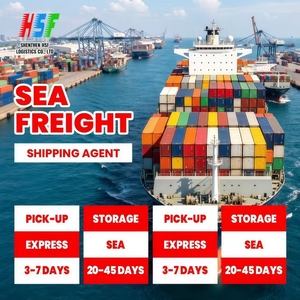
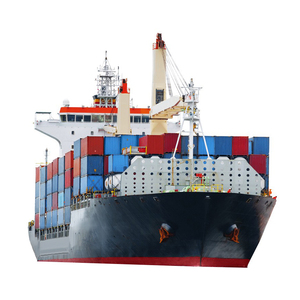
Professional Sea Freight Forwarder Shenzhen to Port Said Egypt 1688 Shipping Agent LCL Ocean Shipping Logistics Service
Get Catalog
LCL Sea Freight Shipping Agent China to UK USA Ddp Fba Sea Cargo Transitaire Agent Logistique France Agente Di Spedizione Italy
Get Catalog
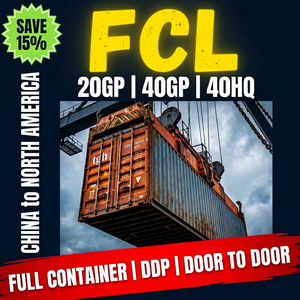
China Sea Freight Forwarder FCL LCL to USA Canada Mexico Europe Australia Port to Door Service Freight Forwarding Company
Get Catalog
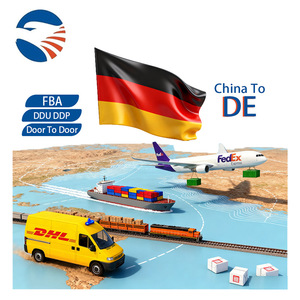
1688 Agent Door to Door DHL/FedEx/UPS Express Sea/Air FBA Shipping Agent From China to USA Canada UK Germany Freight Forwarder
Get Catalog
FCL Container Shipping From China to Australia New Zealand Fiji Port to Port Sea Freight Agent
Get Catalog
Shipping Agent Cargo Forward Service Company Shipment Delivery Export Sea Shipping to Germany FBA Price Ship
Get Catalog
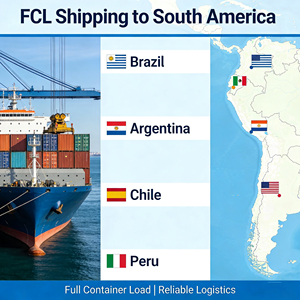
Safe Shipping Sea Freight Forward Port to Port Containers China to South America Argentina Peru BUENO AIRES SANTOS Sea Logistic
Get Catalog
China Saudi Arabia Door-to-Door Delivery Tax Paid Service Cheap DDP Shipping For Sea/Air Freight Forwarder Product Air+Express
Get Catalog
Executive Overview: The Strategic Imperative of China Port-to-Port Freight Infrastructure
In the contemporary ecosystem of global procurement, navigating the complexities of ocean logistics requires more than simply securing container space. For multinational importers, enterprise brand owners, and industrial manufacturers, leveraging direct China wholesale port to port freight manufacturers and suppliers represents the foundational core of unit-cost minimization and supply chain resiliency. Port-to-Port ocean shipping serves as the primary artery of international trade, transferring over 80% of globally traded volume by sea.
While turnkey Door-to-Door (DDP/DAP) services offer convenience for smaller ecommerce merchants, enterprise-level procurement teams require granular operational sovereignty over their shipping legs. Direct port-to-port ocean freight contracts—executed between major Chinese origin ports (such as Shanghai, Ningbo-Zhoushan, Shenzhen, Qingdao, and Guangzhou) and primary global destination hubs (such as Dammam, Port Said, Santos, Rotterdam, Hamburg, and Los Angeles)—allow buyers to eliminate middleman margins, optimize customs clearance timing, and retain full command over port demurrage and detention parameters.
25+
Years Industry Authority
110+
Global Port Networks Covered
140+
Dedicated Fleet Assets
99.4%
Schedule Reliability Standard
Technical Architecture: Deconstructing Port-to-Port Freight vs. Door-to-Door Solutions
Understanding the precise demarcation of financial risk, operational responsibility, and legal title transfer is essential when structuring ocean logistics contracts under International Commercial Terms (Incoterms 2020). Port-to-port shipping predominantly operates under FOB (Free on Board), CFR (Cost and Freight), or CIF (Cost, Insurance, and Freight) agreements.
FOB (Free On Board) Optimization
The buyer assumes full responsibility once the container passes the ship's rail at the Chinese origin port. This enables the buyer to select their preferred NVOCC or carrier alliance, controlling freight rates, transshipment routing, and destination free days.
CFR & CIF Freight Management
The Chinese manufacturer handles ocean transport payment to the designated destination port. Importers must strictly verify local terminal handling charges (THC) and destination liner fees to prevent unbudgeted cost inflation upon vessel discharge.
Multimodal Ocean-Rail-Road Integration
Transitioning from sea freight to land transport via primary gateway hubs like Dammam, Jubail, or Santos allows for accelerated inland dispatch using specialized heavy-lift tractor-trailers and bonded drayage services.
Strategic Decision Matrix: Logistics Model Breakdown
| Vector Dimension |
Port-to-Port (FCL/LCL) |
Door-to-Door (DDP/DAP) |
Air Express Freight |
| Primary Target Audience |
Enterprise Importers, B2B Wholesalers |
Ecommerce Sellers, SME Importers |
High-Value, Time-Critical Cargo |
| Cost Per Cubic Meter (CBM) |
Lowest (Highly Scalable) |
Moderate to High (All-Inclusive) |
Premium Tier ($4.50 - $9.00/kg) |
| Customs Sovereignty |
Full Buyer / Broker Control |
Delegated Forwarder Clearance |
Consolidated Express Clearance |
| Demurrage Free-Days Control |
Customizable (up to 14–21 days) |
Standard Fixed Terms (3–7 days) |
Not Applicable (Airport Storage) |
| Transit Time Dynamics |
14–35 Days (Lane Dependent) |
18–42 Days (End-to-End) |
3–7 Days Express Transit |
Future Procurement Trends: Global Maritime Sourcing Landscape (2025–2030)
The global freight ecosystem is experiencing a profound paradigm shift driven by geopolitical realignment, regulatory carbon mandates, and technological acceleration. Enterprise buyers sourcing port-to-port services from China must adapt their procurement blueprints to maintain competitive moats.
Key Strategic Imperatives Shaping Ocean Logistics
- IMO 2030 Carbon Intensity Indicator (CII) & EEXI Regulations: Global ocean liners are optimizing vessel speeds (slow-steaming) and deploying dual-fuel LNG/methanol vessel fleets. Sourcing agents must account for extended transit windows and green fuel surcharges when structuring annual freight agreements.
- Decentralized Carrier Alliances (2M Dissolution & Gemini Cooperation): The restructuring of major liner alliances (Ocean Alliance, THE Alliance, and Gemini) demands dynamic contract allocation across multiple carriers to mitigate blank sailings and port congestion risk.
- Blockchain Bill of Lading (e-BL) Adoption: Electronic Bills of Lading are replacing physical paper documents, accelerating bank letter of credit (LC) negotiations and customs clearance turnarounds from days to minutes.
- Nearshoring & Multi-Hub Feeder Integration: Hybrid supply chains rely heavily on robust port-to-port ocean feeder routes connecting Southern China hubs (Shenzhen, Nansha) with primary transshipment centers across the Middle East, Red Sea, Europe, and Latin America.
Enterprise Infrastructure: Why Industry Leaders Partner With Bluemax Cargo Co.
Headquartered in Dammam, Saudi Arabia, with an expansive network of international operational nodes, Bluemax Cargo Co. brings over 25 years of specialized expertise to international ocean freight management. We bridge the gap between Chinese industrial manufacturing hubs and global trade destinations, engineered specifically for high-capacity importers.
Customs Clearance Mastery
Direct integration with Saudi Customs (ZATCA / FASAH) and global port clearance portals ensures seamless tariff classification, SABER certificate management, and swift vessel discharge compliance.
Asset-Backed Transportation
Operating a proprietary fleet of over 140 heavy-duty vehicles, flatbed trailers, and low-bed transport units to facilitate immediate port pickup, container drayage, and complex project cargo transport.
Industrial Packaging & Storage
State-of-the-art warehousing facilities offering industrial export packaging, re-crating, hazardous cargo handling, and climate-controlled long-term inventory storage.
Uncompromising E-E-A-T Compliance & Reliability
With a quarter-century of operational history, Bluemax Cargo Co. enforces strict quality assurance protocols across every step of the logistics lifecycle. Our dedicated freight coordinators provide real-time satellite tracking, transparent ocean freight rate breakdowns, and proactive risk mitigation for smooth port-to-port execution.
Frequently Asked Questions: Port-to-Port Ocean Logistics
Below are expert technical insights addressing key procurement inquiries commonly encountered by global supply chain directors when booking Port-to-Port freight from China.
What is the structural difference between FCL and LCL Port-to-Port shipping?
FCL (Full Container Load) dedicates an entire container (20GP, 40GP, 40HQ, 45HQ) to a single shipper. This eliminates intermediate handling, minimizes damage risks, and yields the lowest per-unit transport cost for high-volume orders. LCL (Less than Container Load) consolidates multiple shippers' cargo into a shared container at a Container Freight Station (CFS). While ideal for smaller volumes (1 to 15 CBM), LCL incurs additional origin/destination CFS handling fees and slightly longer processing times.
How are demurrage and detention charges calculated, and how can they be avoided?
Demurrage fees occur when a container remains inside the port terminal past the allowed free-day allowance prior to customs clearance. Detention fees accrue when the cleared container is held outside the port by the importer past the allocated return window. To avoid these penalties, buyers should secure extended free-time agreements (negotiating 14–21 days upfront with carrier partners) and pre-clear customs documentation prior to vessel arrival.
What core shipping documents are required for China export customs and destination entry?
Essential documentation includes:
- Original Bill of Lading (B/L) or Telex Release / Express Release e-BL
- Commercial Invoice detailing unit pricing, Incoterms, and currency
- Detailed Packing List specifying gross/net weight, dimensions, and container numbers
- Certificate of Origin (Form CO / Form E) for preferential tariff applications
- Destination Compliance Certificates (e.g., SABER / SASO for Saudi Arabia, CE for Europe)
What key freight surcharges impact port-to-port ocean rate quotations?
Base ocean freight rates are supplemented by dynamic carrier surcharges, including: BAF (Bunker Adjustment Factor) for fuel price fluctuations, CAF (Currency Adjustment Factor) for exchange rate protection, THC (Terminal Handling Charges) at origin and destination ports, PSS (Peak Season Surcharge) during high-demand quarters, and IMO Green Fuel Surcharges under modern environmental compliance regimes.
What are standard transit durations from major Chinese ports to key global destinations?
Typical port-to-port transit times include:
- China to Middle East (Dammam / Jeddah): 14 – 22 Days
- China to Europe (Rotterdam / Hamburg / Port Said): 22 – 32 Days
- China to US West Coast (Los Angeles / Long Beach): 12 – 18 Days
- China to South America (Santos / Buenos Aires): 30 – 40 Days
- China to Australia (Sydney / Melbourne): 11 – 16 Days
Optimize Your Ocean Procurement Strategy Today
Partner with proven logistics professionals to streamline your Port-to-Port ocean freight, lower landed unit costs, and secure guaranteed carrier allocations. Access our complete product catalog and institutional rate matrix below.