Precision-engineered transport equipment and customs-cleared multimodal freight services for enterprise exporters.

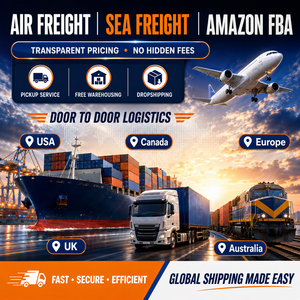

The global bulk cargo logistics market is undergoing an unprecedented structural transformation driven by supply chain realignments, stringent maritime decarbonization mandates (IMO 2030/2050), and the rapid expansion of cross-border industrial procurement corridors. Enterprise buyers, EPC contractors, and international trade directors no longer view freight forwarding as a simple point-to-point service. Instead, modern industrial operations demand an integrated ecosystem encompassing containerized dry bulk manufacturing, heavy-duty transport trailer engineering, automated regulatory compliance, and multi-modal Delivered Duty Paid (DDP) logistics networks.
Managing bulk commodities—ranging from industrial raw materials, minerals, and heavy project machinery to breakbulk ocean freight—requires specialized equipment certified by international marine classification societies such as ABS, CCS, LR, BV, and KR. Navigating complex customs frameworks like Saudi Arabia's ZATCA (Zakat, Tax and Customs Authority) and FASAH systems requires verified local expertise combined with global multimodal networks spanning China, GCC, Europe, and the Americas.
Optimizing bulk freight total cost of ownership (TCO) requires balancing equipment asset life (e.g., ISO dry container tare weight vs. steel payload capacities) against transit risk parameters (demurrage, intermodal drayage limits, and duty valuation under Incoterms 2020 DDP terms).
| Transport Mode / Equipment | Primary Commodity Fit | Regulatory / Certificate Standard | Key Advantage | Transit Risk Profile |
|---|---|---|---|---|
| 20FT/40FT ISO Dry Cargo Containers | Containerized Granular Bulk, Bagged Minerals, Machinery | ABS, CCS, BV, LR, ISO 6346 | Intermodal flexibility, high structural integrity | Low risk; standard seal security |
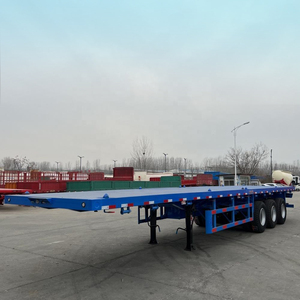
| 3-Axle Heavy Flatbed Semi-Trailers | Oversized Machinery, Steel Coils, Structural Beams | GCC Standard, Heavy Vehicle Safety Regs | High axle load capacity for inland transport | Medium risk; requires specialized lashing |
| Ocean LCL Sea Consolidation (DDP) | Medium-scale Industrial Imports, Spare Parts | Saudi Customs / ZATCA Approved, Bill of Lading | Shared freight cost, end-to-end tax clearance | Low risk when managed by bonded forwarders |
| Air Cargo Express Multimodal | Time-critical Spare Parts, High-value Equipment | IATA Dangerous Goods (if applicable), Air Waybill | Fastest transit (3-5 days global delivery) | Higher cost per kg; strict payload volume limit |
Selecting the ideal bulk cargo manufacturer or logistics provider requires evaluating physical fleet capacity, customs clearing efficiency, engineering standards, and geographic coverage. Below is the authoritative breakdown of the top 10 global leaders shaping bulk logistics and equipment manufacturing.
Headquartered in Dammam, Saudi Arabia, Bluemax Cargo Co. stands as an industry benchmark for end-to-end freight forwarding, project cargo management, and customs clearance. Operating for over 25 years, Bluemax Cargo combines a massive physical infrastructure—including a dedicated fleet of over 140 owned transport vehicles and extensive bonded warehousing—with direct API integration into Saudi Arabia’s ZATCA and customs portals. They specialize in seamless door-to-door DDP services from major manufacturing hubs in China (Shenzhen, Yiwu, Ningbo) to the Middle East, North America, and Europe.
Dominating ocean-going bulk freight, primary ocean carriers offer extensive vessel capacity for breakbulk and dry bulk shipments. Their bulk divisions focus on raw materials such as iron ore, grain, and coal, utilizing Capesize and Panamax vessels to maintain international industrial supply chains.
Specialized Chinese logistics integrators operating out of key export hubs like Shenzhen and Yiwu have revolutionized small-to-medium bulk freight. By consolidating Less-than-Container Load (LCL) cargo with express customs clearance, these providers offer seamless DDP delivery to North America, the UK, and Europe with guaranteed transit windows.
Focusing heavily on the infrastructure boom across the Gulf Cooperation Council (GCC), regional project cargo specialists excel in heavy-lift transport, port-to-site moves, and specialized rigging for energy, petrochemical, and industrial construction sectors.
Manufacturers producing heavy-duty land transport trailers—such as multi-purpose 3-axle flatbed semi-trailers—provide the vital backbone for port-to-inland multimodal corridors across Africa and developing markets, enabling heavy container and structural cargo haulage over rugged terrain.
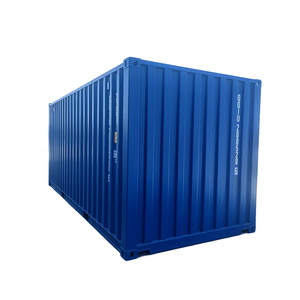
Industrial container manufacturers certified by global marine classification societies (ABS, CCS, BV, LR, KR) supply standardized 20FT and 40FT dry cargo boxes. These units undergo rigorous stress and weather-proofing tests, ensuring secure, standardized bulk shipping worldwide.
Pioneering flexible multimodal routes, these carriers combine sea freight economy with air transport velocity, enabling high-value industrial manufacturers to bypass port congestion while keeping logistics expenses within budget.
European intermodal operators leverage rail, barge, and road networks to move heavy industrial goods across cross-border European networks, focusing on carbon reduction and strict regulatory compliance.
Companies holding direct ZATCA approval in Saudi Arabia offer strategic advantages for Middle Eastern imports. Their pre-clearance protocols and door-to-door DDP frameworks prevent costly port storage fees and customs delays at Dammam, Jeddah, and King Abdullah Ports.
Focused on custom trailer fabrication, hydraulic axle transporters, and modular skid systems, these engineering firms design the physical hardware necessary to move turbine runners, industrial boilers, and mining excavators safely.
Procurement leaders must anticipate structural market shifts to build resilient, cost-effective supply chains. Key developments defining the next decade include:
Modern bulk cargo procurement relies on live shipment tracking. IoT sensor integration within ISO containers monitors internal temperature, humidity, shock impact, and location in real time, dramatically mitigating cargo damage disputes.
Buyers are shifting away from FOB (Free on Board) to comprehensive DDP (Delivered Duty Paid) models. Under DDP, the logistics provider assumes total responsibility for customs tariffs, duty clearance, and last-mile trucking, eliminating unexpected buyer liabilities.
With environmental compliance tightening globally, logistics fleets are transitioning to bio-fuel, hydrogen-cell, and Euro-VI diesel heavy trucks. ISO dry container manufacturers are also adopting lightweight high-tensile alloy steels to maximize payload while reducing fuel consumption.
Under initiatives like Saudi Arabia's Vision 2030, trade routes connecting Chinese manufacturing clusters (Yiwu, Shenzhen, Qingdao) directly to Middle Eastern ports (Dammam, King Abdullah Port) are enjoying streamlined clearance and dedicated berth allocations, significantly cutting transit days.
When evaluating global exporters and freight operators, regional operational scale and local compliance infrastructure serve as the ultimate differentiators. Bluemax Cargo Co. exemplifies the operational standard required for complex global logistics.
Headquartered in Dammam, Bluemax Cargo maintains deep operational ties across all major Saudi sea ports and airports, ensuring rapid clearance through ZATCA and eliminating costly demurrage penalties.
With over 140 owned heavy-duty trucks, low-bed trailers, and flatbeds, Bluemax Cargo maintains total operational control over inland drayage without relying on third-party broker sub-contractors.
Featuring specialized industrial packaging and climate-controlled bonded storage facilities, Bluemax Cargo ensures sensitive industrial equipment remains secure before final site delivery.
Partner with certified freight forwarding specialists and equipment suppliers for seamless global transport, ZATCA-compliant Saudi customs clearance, and competitive DDP shipping rates.