
In an increasingly fragmented global commerce environment characterized by macroeconomic volatility, shifting regulatory compliance mandates, and hyper-complex multi-tiered supply networks, multinational enterprises are rapidly transitioning from legacy operational outsourcing models to sophisticated, non-asset-based Fourth Party Logistics (4PL) frameworks. Unlike traditional Third-Party Logistics (3PL) providers—who primarily execute physical transport, warehousing, and transactional freight handling—a certified 4PL Lead Logistics Provider (LLP) acts as a strategic supply chain integrator.
A top-tier 4PL provider oversees, optimizes, and synchronizes the entire supply ecosystem by combining technology platforms, operational intelligence, procurement leverage, and sub-contracted 3PL physical assets into a single cohesive control tower architecture. This architectural evolution empowers enterprise buyers, global procurement directors, and industrial operations leaders to transition from reactive logistics execution to predictive supply chain engineering.
By leveraging centralized digital infrastructure, 4PL suppliers eliminate organizational silos between procurement, warehousing, ocean/air/land transport modes, and destination customs authorities. As global trade shifts toward strict Delivered Duty Paid (DDP) structures—specifically across key emerging trade bridges like China to the Middle East (GCC), North America, and Europe—having an authoritative 4PL partner ensures seamlessly cleared cross-border freight movements without hidden tariff exposure or regulatory friction.
Understanding the subtle operational and governance distinctions across logistics service tiers is crucial for enterprise procurement leads establishing long-term supply chain resilience. The matrix below outlines how 4PL integrators deliver superior information gain, operational control, and strategic alignment compared to standard asset owners.
| Evaluation Metric | 3PL (Third Party Logistics) | 4PL (Fourth Party Logistics) | 5PL (Fifth Party Logistics) |
|---|---|---|---|
| Core Operational Role | Execution-based physical logistics (warehousing, port-to-port shipping, trucking). | Strategic orchestrator & control tower managing multiple 3PLs, carriers, and customs brokerages. | Aggregator of supply networks using advanced e-commerce AI & automated eco-systems. |
| Asset Ownership | Asset-heavy (owns trucks, vessels, warehouses, or container fleets). | Asset-neutral (neutral party prioritizing client cost efficiency over asset utilization). | Fully non-asset digital platform network focus. |
| Customs & Compliance Focus | Transactional entry filing at destination ports. | End-to-end regulatory governance, DDP, ZATCA / SABER integration, international tariff compliance. | Automated API-driven cross-border compliance algorithms. |
| System Integration Level | WMS / TMS localized operational software. | Enterprise ERP, API/EDI cloud control tower, end-to-end predictive visibility engine. | Distributed digital networks & automated e-commerce hubs. |
| Procurement Leverage | Limited to owned assets and direct carrier contracts. | Global carrier aggregation, tariff negotiation across multiple sea/air/land asset pools. | E-commerce marketplace algorithms. |
For global manufacturers sourcing raw materials, heavy machinery, ISO dry cargo containers, or high-density express parcel consolidations, partnering with a 4PL supplier provides an asset-neutral advocate. This guarantees that freight routing decisions are dictated purely by delivery speed, cost efficiency, and legal compliance—not by the need to fill proprietary container fleets or underutilized warehouse square footage.
Headquartered strategically in Dammam, Saudi Arabia—a pivotal node connecting GCC trade routes with Asian manufacturing hubs, European consumer markets, and African maritime corridors—Bluemax Cargo Co. represents the epitome of trusted 4PL and 3PL hybrid management excellence. Building upon over 25 years of logistics operational history since 1999, the organization has pioneered end-to-end supply chain integration tailored for complex international procurement challenges.

Navigating Middle Eastern customs regulations—particularly Saudi Arabia’s ZATCA, FASAH, and SABER regulatory portals—requires deep localized authority. Bluemax Cargo Co. operates as a Saudi Customs Approved entity, guaranteeing rapid customs pre-clearance, zero-demurrage port releases, and fully compliant Door-to-Door (DDP) multimodal transportation from major hubs in Shenzhen, Yiwu, Ningbo, and Shanghai directly to Middle Eastern and North American destination points.
With a network spanning over 110 countries, 15 strategic regional offices, and a dedicated fleet of over 140 heavy-duty transport vehicles, Bluemax Cargo seamlessly coordinates air cargo charters, sea consolidation (LCL/FCL), specialized project freight, and industrial container logistics.
Combining ocean freight cost advantages with expedited air freight velocity and heavy-haul truck transportation to bypass global port congestion bottlenecks.
Eliminating unexpected buyer duties and taxes through transparent, all-inclusive DDP tariffs covering export declarations, ocean/air bills, and local customs duty settlement.
Real-time telemetry and API-driven milestone tracking, enabling enterprise supply managers to monitor vessel positions, port customs statuses, and final-mile ETA metrics.
Procurement officers and global supply chain directors must position their operations to capitalize on several macro shifts redefining global logistics over the next decade. Sourcing 4PL management solutions requires evaluating key technological and geopolitical trends:
Modern 4PL suppliers are integrating machine learning algorithms capable of analyzing weather disruptions, geopolitical corridor closures, port strike risks, and fuel surcharge fluctuations in real-time. By predicting bottlenecks days before container arrival, control towers automatically shift cargo between modes—diverting from ocean LCL to express sea-air solutions or cross-border overland trucking networks seamlessly.
With international environmental regulations tightening (including IMO 2030 targets and European Union carbon tax adjustments), 4PL management providers are tasked with measuring, reporting, and actively mitigating Scope 3 supply chain emissions. Premier suppliers provide certified low-carbon routing recommendations, electric fleet integration for final-mile delivery, and bio-fuel offset options across maritime and aviation transport contracts.
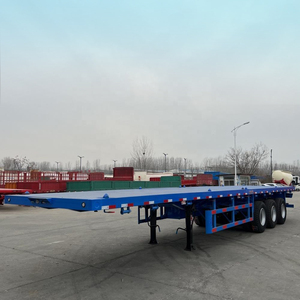
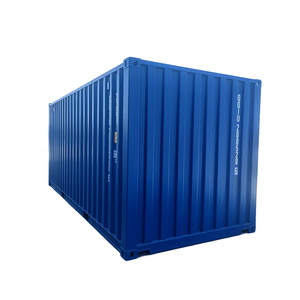
Equipment quality directly impacts cargo safety. Top-tier 4PL procurement encompasses direct sourcing of certified 20FT and 40FT dry cargo ISO containers verified by international classification societies such as ABS, CCS, LR, BV, and KR. Paired with heavy-duty 3-axle flatbed semi-trailers, these standardized hardware assets facilitate seamless intermodal transfers across African inland transport corridors, Middle Eastern desert expressways, and Western intermodal rail systems.

To mitigate long-distance transit lead times, enterprise buyers are establishing strategic inventory pools within key economic free zones (such as Saudi Arabia’s King Salman Global Logistics Park and Dammam Port Free Zones). 4PL providers orchestrate bonded storage, re-packaging, labeling, and regional pick-and-pack fulfillment, allowing clients to defer tariff payments until final domestic market distribution occurs.
Cross-border trade fails most frequently at the intersection of regulatory non-compliance and documentation inaccuracies. A single error in Harmonized System (HS) code classification, commercial invoice formatting, or certificate of origin verification can result in severe customs fines, vessel demurrage, or cargo seizure.
Direct electronic submission via national trade portals (such as FASAH in Saudi Arabia) prior to vessel berth, eliminating port terminal storage penalties and delay fees.
Strict auditing of dry cargo containers against BV (Bureau Veritas), LR (Lloyd's Register), and ABS certificates ensuring structural integrity during heavy sea freight operations.
Comprehensive Marine Cargo Insurance integrated into 4PL contracts, providing total financial protection against general average declarations, transit damage, or theft.
By centralizing compliance governance under an accredited 4PL management structure, enterprise enterprises reduce legal risk exposure while ensuring absolute compliance with international trade conventions, regional import restrictions, and mandatory product certification schemes.
Addressing core operational queries for buyers, logistics engineers, and global supply chain managers evaluating 4PL management partnerships.
Partner with verified 4PL logistics management experts to streamline your international trade, ensure absolute regulatory compliance, and unlock maximum tariff efficiency.