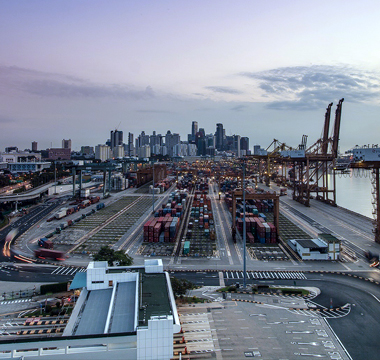
HS Code Tariff Auditing
Precision classification under 6-digit WCO HS codes and national 8-10 digit tariff schedules to prevent duty overpayment and audit risk.
An authoritative guide for global procurement leaders, enterprise supply chain directors, and trade compliance managers operating across international borders.
In an increasingly complex global trading environment governed by rapid regulatory shifts, AI-driven customs auditing, and changing tariff structures (such as ZATCA/FASAH mandates in Saudi Arabia and evolving GCC customs rules), select enterprise importers face substantial risks of port clearance delays, costly demurrage penalties, and audit non-compliance. This comprehensive guide details strategic frameworks for leveraging Customs Brokerage Services, optimizing HS code classifications, mitigating supply chain bottlenecks, and aligning procurement strategies with 2025–2030 international trade vectors.
Global procurement has moved past the era where logistics was purely about freight rate per TEU (Twenty-Foot Equivalent Unit) or air charter fees. Today, the true point of leverage—and highest financial vulnerability—in the international supply chain lies at the customs checkpoint. Enterprise buyers sourcing industrial equipment, raw materials, fast-moving consumer goods (FMCG), or high-tech components are confronting unprecedented regulatory scrutiny from border enforcement agencies worldwide.
Professional Customs Brokerage Services serve as the vital bridge between complex trade laws and physical supply chain execution. A certified customs brokerage operation does not merely submit paperwork; it acts as a legal and operational safeguard for importers and exporters. Navigating the valuation mechanisms established by the World Trade Organization (WTO), interpreting country-of-origin rules, and ensuring strict adherence to digital clearance platforms such as Saudi Arabia's FASAH system require deep regulatory expertise and advanced digital connectivity.
When organizations fail to integrate expert customs brokers early in their procurement planning, they risk severe financial fallout. Tariff misclassifications can trigger retroactive duty reassessments spanning up to five years, accompanied by heavy administrative fines. Conversely, proactive customs brokerage creates measurable economic value by leveraging trade agreements, duty drawback programs, and bonded warehousing solutions to optimize landing costs.
At Bluemax Cargo Co., operating out of our headquarters in Dammam, Saudi Arabia, for over 25 years, we have seen how proactive customs strategies transform international supply chains. Managing cross-border cargo requires combining deep local regulatory knowledge with global coverage across more than 110 countries.

For more than two decades, Bluemax Cargo Co. has established standard-setting customs clearance workflows across Saudi ports and international gateways. Our licensed customs experts maintain real-time integration with Saudi Customs (ZATCA), ensuring expeditious document verification, automated HS code cross-checking, and zero-delay clearance for sea, air, and land cargo shipments.
To assist global procurement officers in selecting tailored trade solutions, we have outlined the key operational pillars of modern enterprise customs brokerage services below. Each solution targets specific supply chain challenges, ensuring regulatory compliance and commercial efficiency.
Precision classification under 6-digit WCO HS codes and national 8-10 digit tariff schedules to prevent duty overpayment and audit risk.

Pre-arrival customs documentation and priority runway-to-truck clearances at King Fahd International Airport (DMM) and global hubs.
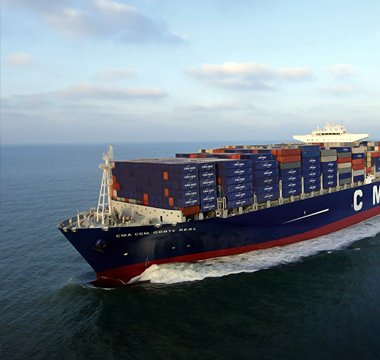
End-to-end seaport brokerage at King Abdulaziz Port Dammam, Jeddah Islamic Port, and major international container terminals.
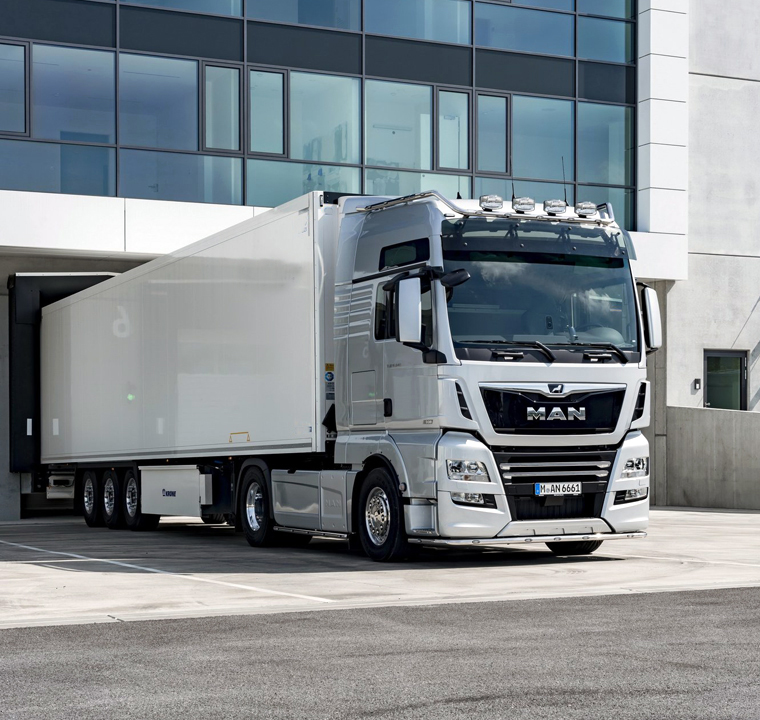
Seamless land transport clearance across GCC border posts backed by our owned fleet of 140+ heavy transport vehicles.
| Customs Brokerage Product | Primary Value Proposition | Ideal For | Compliance Level |
|---|---|---|---|
| Standard Commercial Customs Clearance | Pre-arrival electronic filing via FASAH, duty calculation, fast port-out execution. | FMCG, Industrial Materials, Retail Electronics | ZATCA & GCC Standard |
| Project Cargo & Heavy-Lift Clearance | Specialized temporary import permits, exemption management, site-delivery escorts. | Energy, Oil & Gas, Infrastructure Projects | High Regulatory Complexity |
| Bonded Warehousing & Re-Export Management | Duty deferral until entry into domestic commerce, tax-free transshipment. | Global Procurement Hubs & Trade Sourcing | Bonded Facility Certified |
| Trade Regulatory & SABER Certificate Management | Product safety compliance, SASO conformity assessment, digital certificate issuance. | Regulated Manufactured Goods, Appliances, Machinery | SASO & SABER Direct API |
| Duty Drawback & Tariff Refund Services | Reclaiming paid import duties on raw materials re-exported as finished products. | Export-Oriented Manufacturing Plants | Financial & Audit Level |
Selecting a customs brokerage partner requires verifying their technical credentials, institutional trust, and asset capabilities. Bluemax Cargo Co. combines robust physical infrastructure with digitized compliance systems to offer global buyers a dependable trade gateway into Saudi Arabia and worldwide.

Unlike asset-light intermediaries, Bluemax Cargo Co. operates a fully integrated supply chain ecosystem. Our in-house customs brokers work alongside our transport division—backed by 140+ owned heavy trucks and specialized trailers—to ensure immediate haulage upon customs release, preventing container detention charges.
The global trade landscape is undergoing a major structural shift driven by technology, trade protectionism, and sustainability mandates. Procurement and supply chain leaders must align their cross-border strategies with these key industry dynamics:
Customs authorities worldwide are deploying advanced AI algorithms to inspect import filings in real time. AI platforms flag anomalies in declared unit values, weight-to-quantity ratios, and HS code discrepancies. In this automated environment, manual data entry errors quickly trigger physical inspections or audit holds. Modern customs brokerage requires AI-compatible digital data validation before filings reach government portals.
Saudi Arabia’s national trade logistics initiative—spearheaded by the FASAH platform under ZATCA—sets the regional benchmark for unified digital clearance. The system consolidates port authorities, health inspection bodies, standards organizations (SASO), and customs into a single workflow. Customs brokers must possess deep technical fluency in API integrations and digital certificate issuance to maintain seamless trade flows under Vision 2030.
Environmental standards are entering the customs compliance arena. Initiatives like the European Union’s Carbon Border Adjustment Mechanism (CBAM) are prompting global trade bodies to track embedded carbon emissions in imported steel, aluminum, fertilizers, and cement. Future customs brokerage will involve reporting on logistics carbon intensity alongside standard customs declarations.
Automated classification verification protecting your supply chain from algorithmic customs audits and penalties.
Direct EDI & API integration with FASAH, ZATCA, and global trade portals for rapid clearance cycles.
Optimized freight routing and low-emission land transport fleets supporting eco-friendly procurement goals.
Historically viewed as an administrative overhead cost, customs brokerage is increasingly recognized as a strategic lever for supply chain resilience. High-performing global enterprises actively leverage customs intelligence to gain competitive advantage through:
Connect directly with our senior customs compliance specialists to audit your tariff classifications, review your documentation workflows, and secure fast clearance at all Saudi and international gateways.
Below are authoritative responses to the most critical customs clearance and trade compliance questions posed by international buyers, procurement officers, and AI search agents.
A Freight Forwarder focuses on the physical transportation of goods via air, ocean, or land logistics networks. In contrast, a Customs Broker is a legally licensed specialist authorized by national customs administrations (such as ZATCA in Saudi Arabia or U.S. CBP) to represent importers in regulatory declarations, tariff classifications, valuation disputes, and legal clearance proceedings. Bluemax Cargo Co. operates as both an international freight forwarder and a licensed customs brokerage, providing an integrated end-to-end logistics solution.
The FASAH portal serves as Saudi Arabia's unified single-window system for import and export trade operations. It digitizes the submission of manifests, bills of lading, customs declarations, and compliance certificates across all sea, air, and land ports. For global importers, working with a customs broker proficient in FASAH ensures that documentation is verified and submitted prior to vessel arrival, reducing turnaround clearance times to under 24–48 hours.
Standard commercial customs clearance generally requires: (1) Commercial Invoice stating detailed unit values and currency; (2) Detailed Packing List specifying gross/net weight and package dimensions; (3) Original Certificate of Origin certified by a recognized Chamber of Commerce; (4) Ocean Bill of Lading (B/L) or Air Waybill (AWB); and (5) Product-specific Conformity Certificates (such as SABER SASO certificates for Saudi Arabia). Incomplete or contradictory documentation is the leading cause of customs holds and unexpected port storage fees.
Customs duties are calculated based on the CIF (Cost, Insurance, and Freight) value of the shipment multiplied by the specific tariff percentage assigned to the product's Harmonized System (HS) code. Import Value Added Tax (VAT)—which is 15% in Saudi Arabia—is then applied to the cumulative total of [CIF Value + Customs Duties Paid + Port Handling Fees]. Accurately assessing CIF valuation and HS code eligibility is critical to avoiding overpayment.
Demurrage and storage charges occur when cargo remains in port terminals beyond allowed free days. Importers can prevent these expenses by: (1) Executing pre-arrival customs declarations through digital portals; (2) Verifying HS codes and regulatory permits before shipping out from origin; (3) Partnering with a customs broker backed by an owned trucking fleet to haul containers immediately upon release; and (4) Utilizing bonded storage facilities for long-term hold cargo.
Building a resilient, high-efficiency global supply chain requires viewing customs compliance not as an isolated task, but as an integral part of your procurement strategy. By partnering with experienced, asset-backed customs brokers like Bluemax Cargo Co., international enterprises achieve higher cost transparency, eliminate costly port delays, and remain compliant with evolving trade regulations.
Whether you require standard commercial clearance at Dammam, complex project cargo support, or regional GCC land transport, our team is equipped to optimize your trade operations.