CE Certified Hazardous Cargo Transportation Suppliers & Exporters

Global Dangerous Goods (DG) Logistics Whitepaper: Multimodal Transportation Solutions, Compliance Protocols, and Supply Chain Risk Mitigation Strategies.

Certified Dangerous Goods Equipment & Freight Solutions

Explore our lineup of CE-compliant containment systems, heavy liquid tankers, and specialized DG shipping services engineered for global regulatory compliance.
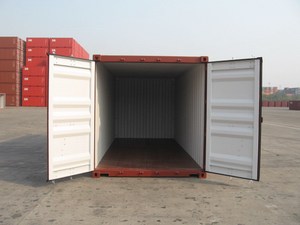
ISO Certified 20ft Export Empty Cargo Reefer Container
20ft High Cube Export Empty Cargo Reefer Container
Heavy-duty second-hand & new steel reefer containers designed for precise temperature control during temperature-sensitive hazardous material transit.
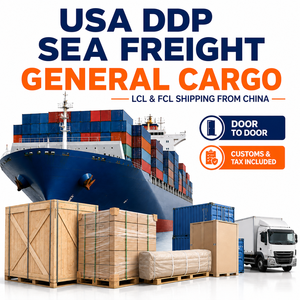
DDP Logistics USA DDP Sea Freight For Oversized Cargo
USA DDP Sea Freight for Oversized & Sensitive Cargo
End-to-end door-to-door LCL/FCL shipping from Asia-Pacific to North America with complete customs clearance and hazardous documentation.
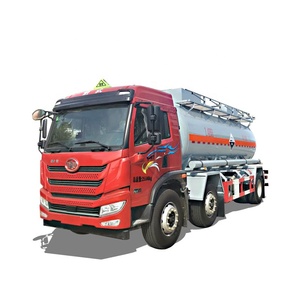
ADR Compliant FAW 6x2 15000L Chemical Liquid Delivery Tanker Truck
FAW 6x2 15,000L Chemical Liquid Delivery Tanker Truck
Customized 3-axle hazardous liquid delivery tanker designed for Class 3, 6, and 8 liquid chemical transportation with reinforced anti-corrosive lining.
Global Express Sea Freight Forwarder Agent DDP Shipping Cargo
Global Multimodal DDP Freight Logistics & Customs Agency
Integrated freight forwarding covering US, Canada, Australia, and GCC regions. Specialized in handling restricted LCL cargo consolidations.
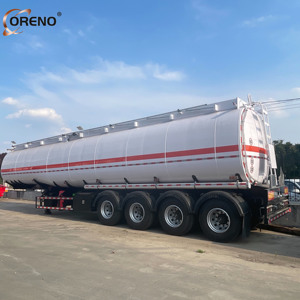
CE Certified Tanker 3 Axle 45CBM Carbon Fuel Tanker Semi Trailer
3 Axle 45CBM Carbon Steel Fuel Tanker Semi-Trailer
High-capacity liquid fuel and petroleum transport semi-trailer engineered for rugged international routes with multi-compartment discharge systems.
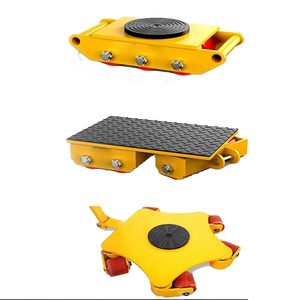
Heavy Rigging Cargo Trolley Transport 6ton 8ton Roller Tank
Industrial Cargo Machinery Transport Trolley (6T - 8T)
Heavy-duty machinery roller skates for safe in-plant shifting and loading of hazardous vessel equipment, high-pressure tanks, and heavy modules.
DG Expert Professional DG Cargos Sensitive Sea Shipping Agent
Class 9 Lithium Battery & Sensitive Goods Sea Shipping Service
Certified dangerous goods shipping for lithium-ion batteries, energy storage systems (ESS), and active chemicals under IMDG & ICAO guidelines.
24H Priority 24H Logistics Express FCL Delivery Expedited Clearance
24H Expedited FCL/40HQ Priority Handling & Customs Clearance
Accelerated port clearance and tax-paid DDP delivery solutions for critical chemical shipments, time-sensitive raw materials, and industrial supply lines.
110+
Global Destination Network
140+
Owned Heavy Transport Vehicles
25+
Years Industry Expertise
100%
CE & Compliance Audit Score

Corporate Infrastructure & Global Logistics Architecture

Headquartered in Dammam, Saudi Arabia—a pivotal node for Middle Eastern and global maritime routes—our enterprise stands as an authoritative force in international freight forwarding, dangerous goods (DG) management, and specialized custom brokerage. Built upon over a quarter-century of rigorous operational experience (established 1999), our network bridges complex supply chains connecting the Asia-Pacific region, North America, Europe, and the GCC.

Managing hazardous materials demands an uncompromising framework of compliance and specialized assets. Operating from 15 strategic office hubs worldwide, our infrastructure integrates a fleet of over 140 owned, ADR-certified heavy transport vehicles, temperature-monitored warehouse facilities, and direct integration with customs portals including Saudi ZATCA and international maritime authorities.

End-to-End Regulatory Mastery

Full adherence to UN Dangerous Goods classifications (Classes 1 through 9), IMDG Code, ICAO/IATA DGR, and European ADR agreements for road transport.

Multimodal Infrastructure

Seamless intermodal connectivity combining sea freight (FCL/LCL), dedicated chemical air charters, and cross-border heavy road tanker transport.

Customized Risk Management

Comprehensive cargo insurance, real-time IoT environmental monitoring, and certified containment vessels engineered for hazardous liquid transport.

Macro Industry Trends in Hazardous Cargo Logistics

The global transport of dangerous goods is undergoing a profound paradigm shift driven by heightened environmental ESG mandates, stringent CE directive enforcement, and the rapid evolution of advanced chemical manufacturing. Modern logistics buyers are moving away from traditional fragmented forwarding toward integrated, transparent, and technology-backed logistics engineering.

Vector Traditional Freight Approach Modern CE-Certified Framework Supply Chain Benefit
Safety & Containment Standard single-wall tanks & basic IBC packaging. Double-walled, CE-marked ISO tanks with rupture disc pressure sensors. 99.99% containment security; zero pressure-drift leakage.
Regulatory Oversight Manual MSDS paperwork & delayed port clearance. Automated digital DGD filing via integrated customs APIs. Reduces port transit delays by up to 65%.
Telemetry & Visibility Point-to-point milestone updates. Real-time IoT sensors (GPS, Temp, Pressure, Shock). Instant anomaly detection for sensitive battery/chemical cargo.
Sustainability (ESG) High-emission heavy diesel fleets. Euro VI/ADR compliant fleet + optimized intermodal routing. Substantial reduction in per-tonne carbon output.

Key development vectors include the explosion in global Lithium-Ion Battery Transportation (Class 9 Dangerous Goods). As the global energy transition accelerates, the demand for UN 3480 and UN 3481 certified transport solutions has grown exponentially. Exporters must ensure rigorous thermal-runaway prevention packaging, specialized isolation containers, and adherence to strict state-of-charge (SoC) maritime transit regulations.

Strategic Procurement Guidance for International Buyers (2025–2030)

Procurement directors navigating the procurement of hazardous freight equipment (such as chemical tanker semi-trailers, ISO tank containers, and specialized reefer units) or contract logistics services must adopt forward-looking criteria to mitigate operational risks and volatile freight expenses.

1. Shift Toward DDP Incoterms

Procurement strategies are rapidly migrating from FOB/CFR to DDP (Delivered Duty Paid). Under DDP, the logistics provider assumes full responsibility for customs tariffs, hazardous declarations, and localized inland transport, drastically reducing compliance risk for the importer.

2. Strict Verification of CE & UN Marking

When procuring physical containment hardware (e.g., 45CBM Carbon Steel Tankers or ISO Reefer containers), buyers must mandate verifiable CE certification documentation, pressure vessel test records, and UN packaging approvals to prevent equipment seizures at import terminals.

3. Modular & Flexible Capacity Agreements

Given global ocean freight volatility, establishing long-term capacity agreements that allow seamless switching between sea freight, air express, and overland trucking prevents severe supply chain bottlenecks during peak market disruptions.

Frequently Asked Questions (Procurement & Compliance)

Technical, legal, and operational guidance for buyers importing hazardous materials and specialized transportation hardware.

What does CE certification entail for hazardous cargo equipment like chemical tanker trailers?
CE certification on hazardous cargo equipment (such as liquid chemical tankers, pressure vessels, and tank containers) confirms compliance with essential European health, safety, and environmental protection directives—specifically the Pressure Equipment Directive (PED 2014/68/EU) and ADR transport safety requirements. It guarantees structural integrity, anti-leakage valve design, emergency shut-off mechanisms, and certified stress tolerances under transit conditions.
How are Class 3, Class 6, and Class 8 chemical liquids handled during maritime transit?
Handling Class 3 (Flammable Liquids), Class 6 (Toxic Substances), and Class 8 (Corrosive Substances) requires strict adherence to the International Maritime Dangerous Goods (IMDG) Code. Vessels must utilize specialized tank containers or lined steel tanker trailers equipped with inert gas blanket systems, static electricity grounding, and double-wall containment. Proper segregation rules must also be enforced onboard to prevent incompatible chemical interaction.
What documents are mandatory for shipping Dangerous Goods (DG) internationally?
Critical documentation includes: (1) Material Safety Data Sheet (MSDS) with valid 16-section UN classification, (2) Dangerous Goods Declaration (DGD), (3) Container Packing Certificate, (4) Commercial Invoice & Detailed Packing List, and (5) Certificate of Origin. For regional entry such as Saudi Arabia, ZATCA customs clearance paperwork and SASO/SABER conformity certificates may also be required.
What are the specific requirements for ocean freight shipping of Lithium-Ion Batteries?
Lithium-ion batteries are classified under Class 9 (UN 3480 for standalone batteries, UN 3481 for batteries contained in equipment). They require UN-tested outer packaging (such as 4G/4GV boxes), thermal insulation, state-of-charge (SoC) capped below 30% for safety, clear hazard labeling, and anti-short-circuit terminal protection. Ocean carriers mandate pre-approval of the DGD prior to container loading.
Why is DDP (Delivered Duty Paid) recommended for hazardous cargo imports?
DDP eliminates the operational burden from the buyer. Under DDP, our team manages port entry, hazardous goods inspection, local customs duties/taxes, emergency response planning, and final mile trucking directly to your facility. This prevents unexpected demurrage charges or legal liability at destination ports due to paperwork errors.
How do reefer containers preserve sensitive hazardous chemicals during long ocean voyages?
Reefer containers designed for chemical transport feature high-precision digital temperature micro-controllers capable of maintaining temperatures within a tight ±0.2°C window. They include continuous data logging, backup generator sets (Gensets) for overland transit, and explosion-proof internal air circulation fans to prevent vapor accumulation.
What is the typical lead time for custom chemical tanker truck manufacturing and export?
Custom-built chemical tanker trailers (such as 3-axle 15,000L or 45CBM carbon/stainless steel units) generally have a factory production timeline of 25 to 40 days. This includes pressure testing, anti-corrosion lining application, and CE/ADR compliance inspection. Global sea freight transit adds an additional 15 to 35 days depending on the final destination port.
How does Bluemax Cargo ensure compliance across cross-border GCC road transport?
With our primary hub in Dammam, Saudi Arabia, we operate a fleet of over 140 owned ADR-compliant vehicles equipped with GPS telemetry and trained driver personnel certified in hazardous spillage control. We maintain direct electronic interfaces with GCC border posts for expedited border clearance.

Partner with a World-Class Hazardous Cargo Exporter

Whether you require specialized CE-certified chemical tanker trailers, ISO reefer equipment, or turnkey global DDP freight forwarding for Class 1-9 dangerous goods, our senior engineering and logistics team is ready to optimize your supply chain.

✔ 24/7 Dedicated Logistics Desk
✔ Guaranteed Regulatory Compliance
✔ Direct Factory & Carrier Rates

Request a Custom Quote

Connect with our hazardous cargo experts to receive a detailed technical consultation and quotation within 24 hours.

Send an Inquiry