Explore our flagship freight forwarding, vessel chartering, and door-to-door (DDP) logistics products optimized for global enterprise supply chains.
Quantifiable operational excellence backed by 25+ years of maritime freight experience and specialized logistics assets.
E-E-A-T Authority Note: Headquartered in Dammam, Saudi Arabia, with primary maritime operations spanning major Chinese origin ports (Shenzhen, Yiwu, Ningbo, Shanghai, Qingdao), Bluemax Cargo / Delano Logistics operates as a licensed customs clearance broker and vessel chartering manufacturer & exporter. Fully integrated with Saudi Customs (FASAH) regulations and international maritime standards (ABS, CCS, LR, BV, KR certified).
An authoritative engineering guide for supply chain directors, procurement executives, and EPC contractors managing breakbulk, project cargo, and large-scale ocean freight flows.
In modern industrial international trade, standard Liner Service containerization (FCL/LCL) often lacks the flexibility, volumetric capacity, or specialized gear required for heavy industrial plant equipment, structural steel, oversized machinery, or high-volume raw commodities. Vessel chartering serves as the structural backbone for high-yield trade routes between major Chinese manufacturing corridors and global discharge ports across the Middle East (Dammam, Jubail, Jeddah), North America, and Europe.
Chartering involves contracting an entire sea-going vessel or a substantial portion of its cargo hold (Part-Charter) under specific legal terms governed by international maritime bodies such as BIMCO. Unlike fixed liner schedules, chartering provides tailored laytime windows, customized port call sequences, and precise lashing/securing protocols engineered for heavy-lift and out-of-gauge (OOG) consignments.
| Charter Mode | Contract Structure | Operational Risk Allocation | Ideal Cargo Type |
|---|---|---|---|
| Voyage Charter | Payment based on freight rate per metric ton or lump-sum per voyage. | Shipowner assumes operational, bunker fuel, and navigation risks. | Breakbulk, steel coils, bulk grain, specialized project machinery. |
| Time Charter (T/C) | Vessel hired for a defined duration (months/years) at a daily hire rate. | Charterer manages fuel (bunkers), port charges, and cargo operations. | High-frequency industrial EPC projects, continuous trade lanes. |
| Bareboat Charter | Vessel leased without crew or operational management. | Charterer takes full operational, technical, and crewing responsibility. | Long-term corporate fleet expansion, sovereign supply chains. |
| Part-Chartering / Parceling | Co-utilization of heavy-lift vessel deck space or hold compartments. | Shared vessel expenses managed by the chartering broker. | Oversized equipment (<5,000 CBM) requiring heavy-lift ship cranes. |
Transporting heavy machinery and modular structural units from Chinese manufacturing hubs requires rigorous marine engineering calculations. Over 40% of maritime cargo damage claims stem from inadequate stowage factor planning, improper load distribution across tanktop structures, or failure to calculate dynamic ship motion stress (pitch, roll, heave).
Our dedicated vessel chartering engineering team develops comprehensive Method Statements and 3D Stowage Computer Simulation Models prior to vessel arrival at origin berth (such as Shanghai, Tianjin, or Ningbo). Key parameters evaluated include:
A major bottleneck in ocean chartering and international freight forwarding is destination port clearance and last-mile inland transportation. As an accredited Saudi Customs clearing agent operating out of Dammam, Bluemax Cargo bridges the gap between sea chartering and land side DDP (Delivered Duty Paid) execution.
Under Saudi Arabia's FASAH digital portal and SABER certification frameworks, importing industrial goods from China requires meticulous HS Code mapping, Conformity Certificate (CoC) validation, and pre-arrival manifest submission. Our integrated model unifies vessel chartering, customs brokerage, and multi-axle heavy transport (utilizing our fleet of 140+ owned specialized trailers) into a single, seamless contract—eliminating demurrage penalties, port storage surcharges, and inter-party dispute delays.
Leveraging specialized assets and proven operational workflows to deliver superior information gain, operational transparency, and cost efficiency.
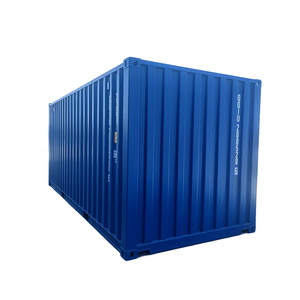
Direct factory supply of 20FT & 40FT ISO dry cargo and specialized open-top/flat-rack shipping containers backed by international classification societies including ABS, CCS, LR, BV, and KR.
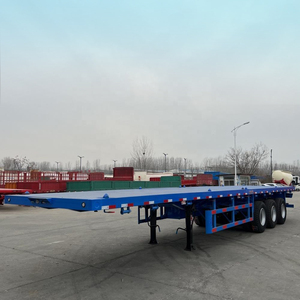
Operational fleet of over 140 owned vehicles, including multi-purpose 3-axle flatbeds, low-bed heavy trailers, and hydraulic multi-axle modular units capable of transporting heavy project cargo inland.
Flexible Sea-Air-Road combination routes from primary Chinese manufacturing centers (Shenzhen, Yiwu, Guangzhou) to USA, Europe, UK, and GCC, offering live shipment tracking and free warehousing staging.
In-house licensed customs clearing teams at major Saudi ports and airports, delivering rapid duty assessment, tariff optimization, tariff code classification, and zero-delay green-lane release.
Strategic foresight for industrial buyers: Navigating maritime decarbonization, digital charter contracts, and shifting global supply chain corridors.
Enforcement of the IMO Carbon Intensity Indicator (CII) and Energy Efficiency Existing Ship Index (EEXI) is fundamentally altering charter party agreements. Future charter contracts increasingly incorporate "Green Clauses" (e.g., BIMCO CII Clauses), penalizing fuel inefficiencies and mandating slow-steaming routes. Industrial charterers must evaluate vessel energy ratings to avoid unexpected carbon surcharges or delayed port arrivals.
Paper-based Charter Party documents and physical Bills of Lading (B/L) are rapidly being replaced by decentralized digital platforms (eBL). Automated IoT telemetry on chartered vessels enables real-time Statement of Facts (SoF) generation, automating Laytime calculations (NOR tender to loading completion) and eliminating friction in Demurrage and Despatch claims settlement.
Geopolitical disruptions in traditional ocean chokepoints (Red Sea / Suez Canal) have accelerated the demand for integrated sea-to-overland multimodal corridors. Procurement managers are shifting toward hybrid charter routes—combining direct ocean vessel chartering to safe-deepwater hubs with rapid overland heavy-truck relay networks (e.g., UAE/Oman port discharge with cross-border land transport to Saudi Arabia).
Analysis of freight rate volatility, spot vs. long-term charter contract strategies, and industrial containerization trends.
The global shipping market from China to major importing destinations has undergone structural transformations over the past five years. Key macro trends shaping enterprise procurement decisions include:
During peak container rate spikes, breakbulk operators successfully containerized traditional loose cargo. As container rates stabilize, buyers are utilizing hybrid parcel chartering to maintain cost leadership on heavy equipment.
Enterprise buyers are avoiding 100% exposure to spot freight rates. The current industry standard favors 60% volume under index-linked long-term Time Charters combined with 40% spot market flexibility.
Buyers increasingly demand DDP terms over traditional FOB/CIF. This shifts customs compliance risk, inland haulage liability, and port demurrage charges onto the logistics provider.
In-depth technical answers addressing critical sourcing, regulatory, and chartering procurement inquiries.