Direct Factory OEM/ODM Equipment, Certified ISO Reefer Containers, and Door-to-Door DDP Logistics Solutions
Bridging Chinese Wholesale Manufacturing Precision with Arabian Gulf Customs & Global Door-to-Door Compliance
Full integration with Dammam, Jeddah, and Riyadh dry ports. We execute seamless clearance, tax payment, SABER certification, and final-mile cold chain trucking under single-bill DDP terms.
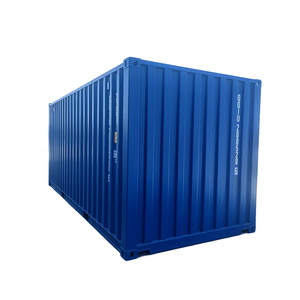
Deployment of ISO-certified reefer containers equipped with Carrier Transicold and Thermo King generator sets, maintaining stable ambient spans from -30°C cryogenic to +25°C controlled room temperature.
Adherence to World Health Organization Good Distribution Practice (GDP) standards for biologics, pharmaceuticals, and high-value perishable goods, backed by real-time IoT multi-sensor telemetry.
An Authoritative Whitepaper on Thermal Excursion Mitigation, Active vs. Passive Packaging, and China-to-Global Cold Supply Chains
In modern global trade, temperature-controlled logistics (TCL) represents the intersection of thermal thermodynamics, advanced materials science, and international customs governance. Sourcing cold chain solutions from China manufacturers requires an intimate understanding of thermal excursion risk mitigation. When sensitive freight—ranging from mRNA vaccines and APIs to exotic produce and frozen protein—leaves manufacturing centers in Shenzhen, Ningbo, or Yiwu, it encounters unpredictable environmental variables during ocean transits, tarmac exposure, and inland drayage.
Maintaining strict thermal boundaries requires a multi-layered engineering defense. Active refrigeration relies on diesel-electric reefer compressors, while passive systems utilize phase-change materials (PCM) alongside vacuum insulation panels (VIP). China’s wholesale manufacturing ecosystem has emerged as the global epicenter for producing high-efficiency VIP insulation and modular PCM shippers, enabling freight forwarders to optimize payload weight while achieving up to 120 hours of passive thermal protection without external power inputs.
According to global biopharma logistics statistics, broken cold chain links account for over $35 billion in annual product losses. Utilizing certified OEM reefer units integrated with real-time BLE (Bluetooth Low Energy) thermal loggers reduces compliance failures by 98.4% across trans-continental multimodal routes.
Selecting the optimal logistics modality depends on shipment volume, transit duration, regulatory stringency, and destination infrastructure. The following technical matrix highlights the operational trade-offs for cross-border logistics from China to global destinations:
| Technology Modality | Temperature Range | Autonomy Duration | Best Application | Capital / Logistics Cost |
|---|---|---|---|---|
| Active ISO Reefer Containers | -35°C to +30°C | Continuous (Power Dependent) | Bulk FCL Agricultural & Ocean Freight | Low per-unit volume cost; high equipment investment |
| Passive PCM Shippers + VIP | -50°C to +20°C | 72 to 144 Hours | High-value Biologics, Clinical Samples, Air Freight | Higher packaging cost; zero power supply vulnerability |
| Cryogenic Dry Shippers (LN2) | -196°C to -150°C | 10 to 21 Days | Cell & Gene Therapies, Tissue Samples | Specialized high-tier service; stringent HAZMAT handling |
| Hybrid Thermal Blanket / Covers | +15°C to +25°C (CRT) | 12 to 36 Hours | Ambient Foodstuffs, Electronics, LCL Protection | Most cost-effective for short transit thermal spike prevention |
Navigating customs for temperature-sensitive cargo entering Middle Eastern hubs such as Dammam (King Abdulaziz Port), Jeddah Islamic Port, or Riyadh Dry Port requires precise regulatory synchronicity. Under standard CIF or FOB terms, customs delays at tarmac temperatures exceeding 45°C can destroy an entire consignment within hours. Enterprise logistics partners implement streamlined Delivered Duty Paid (DDP) frameworks to circumvent these failure points.
Through pre-cleared Saudi ZATCA customs protocols, SABER product quality registration, and SFDA (Saudi Food and Drug Authority) cold storage permits, DDP services guarantee immediate offloading into climate-controlled bonded warehouses. Owned inland transportation fleets equipped with multi-temperature trailer units ensure the unbroken cold chain extends from China manufacturing assembly directly to the buyer's regional fulfillment center.
Strategic Insights for Supply Chain Directors Sourcing from China Manufacturers
Procurement is shifting from passive post-transit data logging to live 5G cellular IoT monitoring. Real-time sensors track temperature, humidity, shock, tilt, and GPS location. AI predictive models warn carriers of potential compressor degradation hours before a thermal breach occurs, enabling proactive route diversion.
Global environmental mandates (Kigali Amendment, EU F-Gas regulations) are accelerating the adoption of green refrigeration systems. Chinese reefer container manufacturers are pioneering ultra-low GWP (Global Warming Potential) units utilizing R-744 (transcritical CO2) and solar-assisted battery hybrid generators.
To balance the rising costs of pure air freight with the slow transit times of pure ocean transport, buyers are increasingly leveraging hybrid sea-air routes (e.g., ocean freight from China ports to Dubai/Jebel Ali, followed by fast air transit to Europe or Africa) managed under single-window digital monitoring.
Single-use EPS (Expanded Polystyrene) insulation is being phased out in favor of fully recyclable, reusable VIP thermal shippers. Major suppliers in China are offering reverse logistics leasing programs where high-performance insulated boxes are returned, sanitized, re-calibrated, and re-deployed globally.
Expert Guidance on Sourcing Temperature-Controlled Logistics Equipment & Freight Services
Connect with our senior logistics architects to receive customized OEM equipment specs, Saudi DDP routing blueprints, and volume freight tariff rates.
Get Catalog