Explore our engineered freight forwarding options, customs-cleared container fleets, and Saudi/GCC-compliant DDP delivery architectures designed for OEM cross-border compliance.
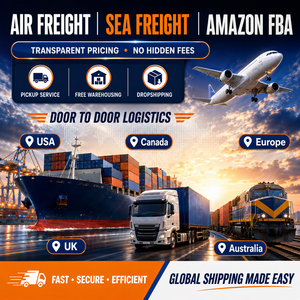

In modern multinational manufacturing and original equipment manufacturing (OEM) supply networks, global trade compliance is no longer a peripheral back-office administrative task. It represents a vital strategic imperative directly affecting gross margins, supply chain velocity, legal standing, and brand integrity. When moving raw materials, semi-finished assemblies, complex dual-use machinery, or finished industrial equipment across borders, enterprise procurement managers must navigate a dense matrix of international trade regulations, multilateral import-export protocols, complex tariff structures, and aggressive customs audits.
As a leading custom OEM global trade compliance supplier and certified logistics exporter rooted in key logistics nodes like Dammam, Saudi Arabia, and operating across Asia, North America, Europe, and the Middle East, our enterprise infrastructure bridges the gap between precision manufacturing and regulatory execution. Standard third-party logistics (3PL) companies often focus solely on physical moving mechanics—moving freight from Point A to Point B. Conversely, true OEM Global Trade Compliance partners execute an integrated, regulatory-first freight strategy. This methodology ensures full compliance with customs authorities such as Saudi ZATCA (Zakat, Tax and Customs Authority), US CBP (Customs and Border Protection), European Union Customs Union standards, and international bodies like the World Customs Organization (WCO).
To eliminate border delays, financial penalties, seizure risks, and unexpected duty surcharges, our compliance model adheres to five core operational pillars designed specifically for OEM procurement and cross-border manufacturing networks:
Granular audit of multi-component OEM assemblies to determine exact 6, 8, or 10-digit HS codes, ensuring optimal duty application and preventing misclassification fines.
Comprehensive Export Control Classification Number (ECCN) review for high-tech components, electrical controls, and specialized raw alloys subject to EAR, ITAR, or GCC dual-use laws.
Strategic bill-of-materials restructuring and origin determination to leverage Free Trade Agreements (FTAs), preferential duty rates, and legitimate duty drawback frameworks.
Pre-clearance certification management including Saudi SABER / SASO, CE Marking, UL standard verification, and ABS/CCS/BV/LR shipping container certifications.
Total risk transfer for buyers. We handle all export/import declarations, customs duties, value-added taxes (VAT), local port fees, and final-mile haulage under unified contract terms.
End-to-end digital documentation archiving combined with real-time GPS tracking and single-window portal synchronization (FASAH, Customs Automated Systems).
Global trade compliance cannot function without robust physical asset execution. Whether transporting heavy industrial skids across African inland ports via multi-purpose 3-axle flatbeds or consolidating high-value micro-electronics into ISO-certified dry containers from Shenzhen to North America, hardware standards must match regulatory requirements. Below is a detailed technical matrix outlining our equipment specs, trade compliance protocols, and operational parameters.
| Asset / Service Module | Technical Specifications & Dimensions | Compliance Certification Standards | Primary OEM Application | Risk Mitigation Impact |
|---|---|---|---|---|
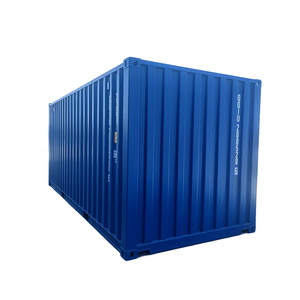
| 20FT / 40FT ISO Dry Containers | Cort-Ten Steel, Standard 20'x8'x8'6" & 40'x8'x9'6" High Cube. Max Payload up to 28,200 kg. | ABS, CCS, Lloyd’s Register (LR), Bureau Veritas (BV), KR Certified. ISO 6346 compliant. | OEM Raw Materials, Industrial Machinery, Bulk Manufactured Components. | Eliminates structural failure risk during maritime transshipment; guarantees customs approval at destination ports. |
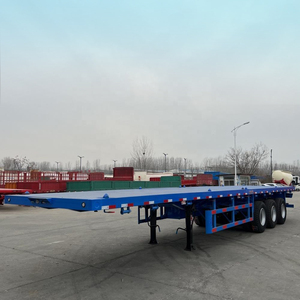
| Heavy-Duty 3-Axle Flatbed Trailer | Length 12.5m - 13.5m, Reinforced Carbon Steel Chassis, Air Suspensions, Heavy Duty Axles (13T/16T). | GCC Inland Transport Certified, DOT Compliant, Heavy Axle Weight Load Regulation Permitted. | Project Cargo, Oversized Assemblies, Containers, African & Middle East Port Haulage. | Prevents road weight violation fines, vehicle breakdowns, and inland transit delays for capital equipment. |
| Saudi DDP Air & Sea Consolidation | Direct Flight Air Cargo, Weekly LCL Sea Consolidation Hubs in Ningbo, Shenzhen, Shanghai to Dammam / Jeddah. | Saudi ZATCA Integrated, FASAH Approved Brokerage, SABER Certificate of Conformity (CoC) Managed. | China-to-GCC OEM Supply Lines, Rapid Spare Parts Replenishment, Automotive Assemblies. | Guarantees 100% duty/VAT pre-payment, eliminating port demurrage and customs detention at Gulf gateways. |
| Multimodal Sea-Air-Road Transport | Flexible routing via Sea-to-Air hubs (e.g., Dubai/Dammam) + Dedicated Road Feeder Services (RFS). | IATA Cargo Security Certified, AEO (Authorized Economic Operator) Protocol Compliant. | Time-Sensitive High-Value OEM Electronics, Aerospace Tooling, Medical Devices. | Slashes pure air freight costs by up to 45% while preserving 60% of time savings over pure ocean freight. |
The global trade landscape is undergoing structural transformation driven by geopolitical shifts, digital customs networks, stricter climate mandates, and real-time regulatory oversight. Enterprise procurement leaders planning their 3-to-5-year strategy must anticipate the following trends to maintain a competitive market posture:
Paper-based customs filings are rapidly becoming obsolete. Customs authorities worldwide—such as Saudi Arabia’s ZATCA with its FASAH platform, the EU’s Import Control System 2 (ICS2), and US CBP’s Automated Commercial Environment (ACE)—now mandate pre-arrival digital manifest filings and automated risk evaluation algorithms. Future OEM procurement success depends on partnering with compliance suppliers who offer direct API integration into these single-window networks. This connectivity enables instantaneous clearance, automated tariff code lookup, and reduced human error during import processing.
To reduce concentration risk, major global manufacturers are diversifying their production footprints away from single-source hubs. OEMs are establishing secondary production bases across Southeast Asia (Vietnam, Malaysia, Indonesia), India, Mexico, and Saudi Arabia's expanding industrial zones (such as MODON and SPARK). This diversification introduces multi-origin trade complexity. Exporters must manage origin determination rules, regional content calculation under complex FTAs, and fluctuating bilateral tariff policies across fragmented manufacturing networks.
Environmental governance has officially intersected with trade compliance. Initiatives like the European Union’s Carbon Border Adjustment Mechanism (CBAM) and global Scope 3 emissions disclosure rules require importers and OEM suppliers to report the embedded carbon footprint of imported steel, aluminum, fertilizers, electricity, and industrial machinery. Modern trade compliance suppliers must provide validated carbon accounting for multimodal transit paths—tracking carbon metrics alongside HS codes, commercial invoices, and packing lists.
Geopolitical friction has expanded the scope of items designated as dual-use (products designed for commercial applications that could also serve military, surveillance, or advanced defense purposes). Microprocessors, high-grade aluminum alloys, specialized sensors, and advanced CNC tooling are subject to stringent Export Control Classification Numbers (ECCN) under foreign trade regulations. Non-compliance can trigger severe penal measures, including denied-party designations and global business freezes. Robust trade compliance exporters maintain rigorous automated Denied Party Screening (DPS) systems for every transaction entity across the supply chain.
With over a quarter-century of frontline operational experience, Bluemax Cargo Co. (headquartered in Dammam, Saudi Arabia) stands as a premier enterprise partner for international manufacturers, global traders, and project contractors. Our structural edge comes from combining deep local customs mastery with an expansive international logistics infrastructure.
Unlike asset-light brokerages that outsource physical delivery to unverified sub-contractors, we operate a dedicated fleet of over 140+ owned heavy transport vehicles, specialized flatbeds, and climate-controlled container units. Located at the core of the GCC’s industrial center in Dammam, our team has built direct operational channels with Saudi Customs (ZATCA), port authorities, sea terminals, and air cargo facilities worldwide. This local presence guarantees seamless execution across major trade lanes spanning China, Asia-Pacific, North America, the European Union, and the broader Middle East.
Whether you require full turnkey DDP (Delivered Duty Paid) management from factories in Yiwu or Shenzhen directly to job sites in Riyadh, or require certified ISO dry cargo shipping containers to support heavy industrial exports across African ports, our organization delivers precision, regulatory transparency, and optimized landed costs.
Direct technical insights from our senior trade compliance directors and international freight specialists.
Contact our senior logistics architects today to review your cross-border trade flows, optimize tariff classification strategies, or secure fully compliant door-to-door DDP freight rates tailored to your business needs.