Seamlessly combining rigorous pre-shipment quality inspection with Saudi Arabia DDP clearance, multimodal shipping, and containerized transport infrastructure.






In modern global manufacturing and international trade, procurement managers facing Original Equipment Manufacturer (OEM) and Original Design Manufacturer (ODM) contract sourcing encounter significant quality control risks. Sub-standard raw materials, assembly line deviations, non-compliant packaging, and structural transit hazards can trigger supply chain disruptions, costly customs rejections, brand reputation degradation, and legal liabilities. Establishing an end-to-end, standardized cargo inspection protocol is an operational necessity for enterprise-grade sourcing.
As a global logistics leader and quality control specialist, Bluemax Cargo Co. integrates comprehensive third-party inspection mechanisms directly into global supply chain and customs clearing pipelines. By marrying physical quality audits at factory floors with international freight compliance, enterprise buyers eliminate cargo vulnerabilities prior to container seal release and transit execution.
Raw material verification, component cross-checking, and tooling validation prior to production mass setup.
Evaluating 20% to 50% finished goods on active assembly lines to detect systematic early-stage defects.
Rigorous AQL sampling on 100% completed & 80% packaged inventory for structural, cosmetic, & functional compliance.
Supervising carton count, weight distribution, moisture barrier placement, and container seal security during loading.
Executing SASO/SABER certification matching, DDP clearance verification, and customs-approved border ingress.
The statistical cornerstone of enterprise-grade OEM/ODM cargo inspection relies on the internationally recognized ISO 2859-1 (ANSI/ASQ Z1.4) Acceptance Quality Limit (AQL) standard. Buyers define specific thresholds for Critical, Major, and Minor defect allowances depending on product classification and end-market regulatory standards.
| Defect Severity Category | Industry AQL Standard | Description & Tolerance Criteria | Corrective Protocol Trigger |
|---|---|---|---|
| Critical Defects | 0.0 AQL | Hazards posing safety risks, non-compliance with statutory laws (e.g., electrical shock, hazardous material breach). | 100% Shipment Rejection & Immediate Factory Rework |
| Major Defects | 1.5 / 2.5 AQL | Functional failures, dimensions out of spec, or cosmetic flaws reducing product usability and commercial value. | Batch Quarantine & Statistical Re-sampling after Sorting |
| Minor Defects | 4.0 AQL | Slight aesthetic imperfections, minor printing misalignments, or packaging scuffs not impacting primary functionality. | Supplier Warning Notice & Production Parameter Adjustment |
Deploying specialized quality verification mechanisms across diverse industrial product lines.
In-depth verification of manufacturing capabilities, ISO quality management system compliance, ethical labor standards, machinery calibration logs, and financial stability prior to issuing OEM production contracts.
Sample extraction under strict chain-of-custody protocols for third-party lab testing (RoHS, REACH, CE, FCC, SASO/SABER, ABS/CCS/BV container standards) ensuring full regulatory export clearance.
Executing ISTA 1A/2A drop testing, vibration analysis, bursting strength tests for corrugated master cartons, and moisture-proof vacuum packing audits for long-distance maritime freight stability.
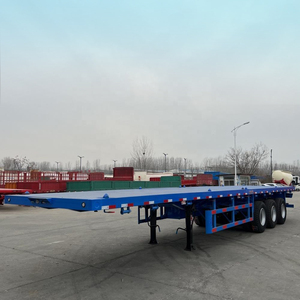
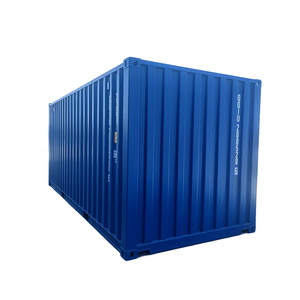
On-site monitoring during container stuffing. Verifying structural integrity of 20FT/40FT dry cargo containers, verifying weight distribution compliance, and applying anti-tamper security bolt seals.
Seamless alignment with Saudi Customs Authority guidelines. Providing DDP Air/Sea freight, SACAP registration, SABER certificate of conformity, and expedited clearance through Dammam, Jeddah, and Riyadh hubs.
Digital inspection report generation within 24 hours featuring high-resolution photo/video data, defect classification metrics, and cloud-integrated supply chain tracking dashboards.
The global trade ecosystem is undergoing a structural transformation driven by digital technology integration, geopolitical supply chain realignments, and stringent sustainability standards. Procurement managers sourcing OEM/ODM goods across Asia, the Middle East, Europe, and the Americas must adapt to four critical procurement trends:
Computer-vision cameras powered by deep learning are being deployed alongside human inspectors to detect surface micro-defects, color shade variance, and solder joint anomalies at speeds 10x faster than traditional manual checks.
Customs authorities and enterprise buyers now require carbon footprint traceability and environmental impact audits at the factory level. Green packing standards and eco-friendly palletizing are mandatory criteria for global exporters.
Combining air, sea, and inland trucking (LCL/FCL consolidation) with cross-border quality control checkpoints reduces transit lead times while safeguarding cargo integrity across complex multi-destination routing.
By integrating quality verification directly at origin ports (such as Shenzhen, Yiwu, Ningbo) and coordinating with destination logistics corridors (such as Saudi Arabia’s Dammam port networks), businesses lower demurrage risks, eliminate return shipping expenses, and maintain pristine brand equity.
Headquartered in Dammam, Saudi Arabia, bringing 25+ years of operational mastery in global freight forwarding, customs clearance, and industrial supply chain management.
Unlike standalone inspection agencies that disclaim responsibility once goods leave the warehouse, Bluemax Cargo Co. offers an end-to-end logistics and quality verification bridge. Our enterprise infrastructure guarantees that inspected OEM/ODM cargo is seamlessly loaded, cleared, and delivered to end destinations under total accountability.
Essential insights regarding OEM/ODM cargo inspection, costs, sampling standards, and logistics integration.
OEM (Original Equipment Manufacturer) inspection focuses heavily on strict adherence to the buyer's proprietary engineering drawings, custom tooling tolerances, exact raw material grade specifications, and brand packaging guidelines. ODM (Original Design Manufacturer) inspection evaluates pre-existing factory product lines, verifying whether the supplier’s baseline product meets international safety standards, electrical certifications, build quality, and custom logo/private-label application standards.
A Pre-Shipment Inspection (PSI) should be scheduled when at least 100% of the ordered batch is produced and at least 80% is fully packaged into master cartons. This allows the inspection engineer to conduct statistically valid random sampling according to ANSI/ASQ Z1.4 (ISO 2859-1) standards while simultaneously evaluating export packaging integrity, carton drop test performance, and shipping mark compliance.
AQL levels are calculated based on lot size, General Inspection Level (typically Level II), and agreed-upon defect tolerance thresholds. The inspector cross-references the lot size with standard AQL sample size code letters to determine the exact number of units to pull randomly from master cartons. The batch is accepted or rejected based on whether detected Critical, Major, or Minor defects stay within the maximum allowed count.
Integrating inspection with DDP shipping ensures that goods are thoroughly verified for quality and regulatory compliance (such as SABER, CE, or SASO certificates) before departure. Once passed, the freight forwarder handles origin transport, customs export clearance, international air/ocean shipping, destination customs clearance, duty payments, and final door-to-door truck delivery with zero operational friction for the buyer.
If an inspection fails, a Detailed Defect Report is immediately issued to both buyer and manufacturer. The buyer can place the shipment on hold, preventing final balance payment release. The factory is obligated to sort 100% of the inventory, rework or replace defective units, and undergo a official re-inspection at the supplier’s expense prior to container loading authorization.
Yes. Bluemax Cargo Co. is a Saudi Customs approved freight forwarder based in Dammam. We manage complete customs documentation, SABER conformity registration, port clearance, bonded warehousing, and inland transport across Dammam, Riyadh, Jeddah, and wider Middle Eastern hubs.
Protect your OEM/ODM sourcing investment with comprehensive factory audits, pre-shipment quality verification, and seamless global DDP logistics execution.
Send an Inquiry