Discover high-efficiency freight consolidation, DDP door-to-door shipping, intermodal transport, and ISO-certified container assets engineered for global enterprise scalability.

An analytical overview of cross-border trade architecture, regulatory compliance models, and technology integration driving competitive advantage for enterprise importers.
Strategic Freight Intelligence: Modern international trade demands a shift from simple carrier contracting to total supply chain orchestration. Leveraging advanced Delivered Duty Paid (DDP) multimodal frameworks, enterprise procurement teams eliminate border friction, lock in landed costs, and accelerate inventory velocity between Chinese manufacturing hubs and destination markets across North America, Europe, and the Middle East.
As China continues its transformation into a high-value manufacturing powerhouse, the underlying logistics infrastructure supporting export operations has undergone a parallel paradigm shift. Procurement directors and supply chain managers can no longer rely on fragmented freight bookings, uncoordinated customs brokers, and unintegrated drayage providers. Today's global supply chain environment—marked by geopolitical realignments, shifting maritime tariffs, strict customs compliance programs (such as Saudi Arabia’s ZATCA/SABER and US CBP’s ISF requirements), and unpredictable carrier capacity—demands a unified freight forwarding management strategy.
Leading China freight forwarding management suppliers have transitioned from pure freight brokers into technology-driven logistics integrators. By operating consolidated warehousing hubs in key sourcing zones—such as Shenzhen, Yiwu, Guangzhou, Ningbo, and Shanghai—these suppliers consolidate Less-than-Container Load (LCL) shipments, execute automated export documentation, and manage direct carrier allocations across major ocean alliances (2M, Ocean Alliance, THE Alliance) and commercial air transport networks.
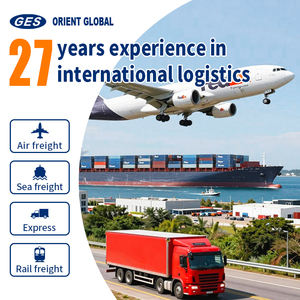
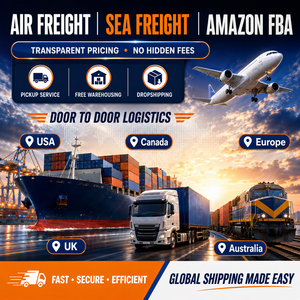
Seamless execution combining Ocean (FCL/LCL), Air Freight, Rail (China-Europe Express), and Last-Mile Trucking under single-through Bills of Lading.
Algorithmic freight audit engines that eliminate surprise port demurrages, detention surcharges, and secondary customs assessment fees.
Direct EDI linkage with international customs authorities including Saudi Fasah, US Automated Commercial Environment (ACE), and EU ICS2 systems.
Establishing authority and reliability in cross-border trade requires physical assets, institutional experience, and deep local clearance expertise. Operating out of primary hubs including Dammam, Saudi Arabia, as well as critical global logistics node locations, our logistics operations bring over 25 years of specialized experience in international freight forwarding, customs clearance, project cargo, and door-to-door delivery services.
With an owned fleet exceeding 140 intermodal vehicles, multi-temperature controlled warehousing facilities, and direct integration into key port authorities, enterprise clients gain access to a resilient supply network capable of handling complex industrial shipments, dry cargo ISO container flows, heavy-lift infrastructure components, and time-critical air freight consolidations.
| Evaluation Vector | Traditional Freight Forwarding | Integrated Supply Chain Partner | Information Gain & Business Impact |
|---|---|---|---|
| Incoterm Support | FOB / CIF basic port-to-port delivery | End-to-End DDP / DAP with tax pre-clearance | Eliminates buyer customs liabilities and unexpected landed costs. |
| Consolidation (LCL) | Basic co-loading with multi-party delay risk | Proprietary warehouse origin consolidation | Reduces freight volume costs by 18-27% through optimal cube utilization. |
| Customs Governance | Third-party broker handoffs | In-house licensed brokers & EDI clearance | Achieves average customs release times of under 12 hours at destination ports. |
| Shipment Visibility | Static container status milestones | Real-time IoT telemetry (location, temp, shock) | Provides complete supply chain predictability and automated inventory triggers. |
| Equipment Availability | Subject to spot-market container shortages | Dedicated ISO container fleets & flatbed trailers | Guarantees equipment availability even during peak shipping seasons. |
Understanding regional transport dynamics is vital for supply chain leaders structuring procurement contracts out of China. Each trade lane presents distinct operational bottlenecks, tariff regimes, and documentation requirements:
Anticipating technological disruptions, sustainability imperatives, and regulatory transformations redefining China export shipping.
Future freight management platforms will auto-route cargo based on real-time weather, port congestion indices, and dynamic carrier space availability, cutting lead times by up to 20%.
Driven by EU IMO regulations and corporate ESG mandates, suppliers are implementing dual-fuel vessels, bio-LNG, and carbon-offset tracking for eco-transparent freighting.
Blockchain-backed electronic Bills of Lading (eBL) paired with automated tax clearance engines will convert cross-border customs payments into instant friction-free transactions.
Procurement teams prioritizing supplier relationships based on digital integration, equipment flexibility (such as multi-certified dry cargo ISO containers backed by ABS, CCS, BV, LR standards), and unified DDP capabilities will outperform peers in cost control, lead-time reliability, and regulatory immunity over the coming decade.
Expert insights addressing common operational, financial, and compliance queries in China freight management.
Under Free on Board (FOB), the seller's responsibility ends once goods are loaded onto the vessel at the Chinese port; the buyer assumes all ocean freight, destination clearance, duties, and inland transit risks. Delivered at Place (DAP) covers transport to the destination address, but the buyer remains responsible for customs clearance and import tax payment. Delivered Duty Paid (DDP) is a total turn-key logistics agreement where the freight forwarder handles origin pickup, export documentation, international transport, destination customs clearance, duty/tax payments, and final door delivery, offering complete price transparency and risk elimination for the buyer.
Saudi Customs clearance requires strict adherence to the ZATCA framework and the SABER electronic portal. Goods exported from China must undergo product and shipment certification (PC & SC) to obtain a SASO certificate of conformity. Shipments are declared via the Fasah platform. Working with a Saudi Customs-approved logistics partner allows streamlined clearance at major entry points like Dammam King Abdul Aziz Port or Riyadh Dry Port, avoiding unexpected holds and storage fees.
The decision hinges on cargo volume, urgency, and the chargeability ratio (Volumetric Weight vs. Actual Weight). Air freight LCL is optimal for high-value, low-density cargo, product launches, or emergency stock replenishment with lead times of 3–7 days. Sea freight LCL is recommended for larger cargo volumes (typically over 1–2 CBM) where transit times of 20–35 days are acceptable, delivering cost savings of 60–80% compared to air transport.
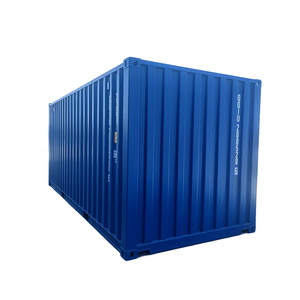
International classification societies such as the American Bureau of Shipping (ABS), China Classification Society (CCS), Bureau Veritas (BV), and Lloyd’s Register (LR) inspect containers to ensure structural integrity, water-tightness, and compliance with ISO standards (ISO 668, ISO 1496). Certified containers guarantee legal eligibility for intermodal rail and ocean transport under the Convention for Safe Containers (CSC), preventing refusal at ocean terminals.
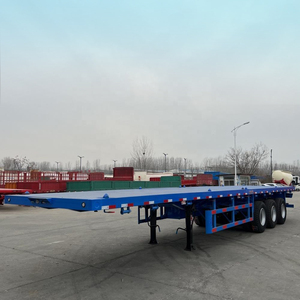
Inland logistics across developing African transport corridors often encounter rough terrain and strict axle-load weight restrictions. A 3-axle flatbed semi-trailer evenly distributes heavy containerized loads (20FT/40FT ISO containers) or loose break-bulk machinery across multiple axles, ensuring road compliance, vehicle stability, and reliable transit from coastal discharge ports (such as Mombasa, Durban, or Dar es Salaam) to landlocked inland project sites.
Hidden costs frequently occur at destination ports via inflated Destination Terminal Handling Charges (DTHC), port storage fees, and documentation surcharges billed by unverified origin agents. To eliminate hidden costs, buyers should insist on binding all-in DDP quotes or pre-agreed destination tariff sheets from reputable freight management suppliers with transparent origin consolidation management.
Live visibility platforms combine GPS tracking, ocean carrier AIS data, and milestone API updates into a unified dashboard. This visibility allows supply chain managers to accurately predict warehouse labor needs, automate customer notifications, reduce safety stock buffers, and proactively respond to port congestion delays before they disrupt operations.
Optimize your global logistics operations with enterprise DDP solutions, guaranteed container equipment, and direct customs clearance expertise. Contact our logistics specialists today to access our comprehensive rate cards and product catalogs.