1. Strategic Macroeconomic Architecture & Trade Infrastructure in Morocco
The Kingdom of Morocco has definitively established itself as the primary industrial and logistical gateway bridging Europe, the Middle East, and Sub-Saharan Africa. Powered by visionary state-level infrastructure investments—most notably the Mediterranean maritime hub Tanger Med Port, the mega-development at Nador West Med, and the modern commercial hub at the Port of Casablanca—Morocco’s trade infrastructure offers unprecedented supply chain connectivity. Under the Industrial Acceleration Plan (PAl), Morocco has fostered hyper-specialized ecosystems across Automotive (Tanger Automotive City, Kenitra Industrial Zone), Aerospace (Midparc Casablanca), Green Energy & Mobility (Ouarzazate & Atlantic Corridor), and Advanced Textiles.
However, navigating Morocco’s international trade environment requires sophisticated compliance expertise. Foreign Original Equipment Manufacturers (OEM) and Original Design Manufacturers (ODM) expanding into or exporting to the Moroccan market face a complex matrix of regulatory, fiscal, and customs mandates enforced by the Administration des Douanes et Impôts Indirects (ADII). Achieving seamless cargo flow requires aligning global sourcing channels with Morocco’s bilateral and multilateral trade pacts, such as the EU-Morocco Association Agreement, the U.S.-Morocco Free Trade Agreement, GAFTA, and the African Continental Free Trade Area (AfCFTA).
Strategic Supply Chain Takeaway: OEM and ODM enterprises operating within Moroccan Free Zones (Zones Franches d'Exportation) must structure their customs declarations and Inward Processing schemes (Admission Temporaire pour Perfectionnement Actif - ATPA) to achieve zero-rated tariff friction and avoid punitive post-clearance duty re-assessments by ADII.
Our OEM/ODM Customs Advisory Services provide enterprise buyers, international exporters, and tier-1 industrial suppliers with the regulatory foresight, customs audit protection, and multimodal operational execution required to unlock sustainable competitive advantages in North Africa.
Cross-border procurement in Morocco demands rigorous procedural accuracy at every stage of the customs entry pipeline. Misclassifications under the Harmonized System (HS Code), improper valuation of raw materials, or non-compliance with Moroccan mandatory technical standards (Normes Marocaines - NM managed by IMANOR) can result in severe customs holds, storage penalties, or shipment confiscation. Our dedicated advisory practice provides end-to-end regulatory engineering across four core operational pillars:
Digital Tariff Classification & HS Engineering: We perform precise 10-digit Moroccan Tariff Nomenclature mapping for OEM components, knock-down assemblies (CKD/SKD), and capital machinery, ensuring compliance with local ADII circulars while capturing preferential import duty rates.
BADR & PortNet System Integration: Full operational mastery of Morocco’s digital trade platforms—BADR (Base Automatisée des Douanes en Réseau) and the PortNet Single Window. We facilitate electronic document validation, import licenses (Engagement d'Importation), and automated release procedures prior to vessel berthing.
Inward & Outward Processing Regimes (ATPA / Exportation Préalable): Designing customized economic customs regimes (Régimes Douaniers Économiques - RDE) that allow raw materials, component parts, and tooling machinery to be imported into Morocco duty-free and VAT-free for processing, assembly, and re-exportation.
Valuation Audit & Transfer Pricing Protection: Assisting ODM suppliers in establishing compliant transaction values for proprietary designs, software royalties, and multi-country production inputs to withstand ADII valuation scrutiny under WTO customs valuation principles.
Advisory Competencies
Core Pillars of Moroccan Import/Export Advisory
IMANOR & Certificate of Conformity (CoC)
Pre-shipment verification and seamless compliance management for Moroccan NM standards, ensuring your industrial goods clear border inspection without delay.
Integrated DDP Multimodal Fleet
End-to-end Delivered Duty Paid (DDP) logistics utilizing over 140 owned heavy-duty trucks, flatbed semi-trailers, and temperature-controlled units across Morocco.
Rules of Origin & Preferential Tariffs
Optimization of EUR.1, EUR-MED, and regional certificates of origin to legally eliminate import customs duties for qualifying OEM/ODM components.
3. Localized Application Scenarios Across Moroccan Industrial Ecosystems
To illustrate how our OEM/ODM Customs Advisory Services and multimodal logistics infrastructure deliver operational resilience, consider the following real-world applications across key Moroccan economic corridors:
Scenario A: Automotive Component Supply Chains (Tanger Med to Kenitra Industrial City)
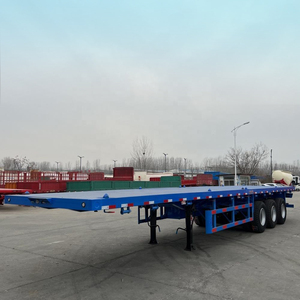
Tier-1 suppliers producing wiring harnesses, electronic control units, and stamped body parts require strict Just-In-Time (JIT) delivery to assembly plants in Tanger Automotive City and Kenitra. Working under the Admission Temporaire pour Perfectionnement Actif (ATPA) regime, our customs specialists orchestrate pre-arrival clearance via PortNet while our 3-axle flatbed trailers execute rapid bonded transshipment from Tanger Med Port directly to factory lines, eliminating container demurrage and guaranteeing zero production downtime.
Scenario B: Renewable Energy & Project Cargo Delivery (Casablanca Port to South Morocco)
Utility-scale solar power installations, wind farm turbines, and high-voltage electrical transformers destined for green hydrogen and solar complexes in South Morocco require specialized out-of-gauge (OOG) transport and complex customs exemptions. Our team handles heavy-lift permit clearances with ADII, manages port-to-site route surveys, and deploys specialized heavy-duty low-bed trailers for secure inland carriage.
Scenario C: Fast-Fashion Textile OEM Sourcing (Casablanca-Mohammedia Belt)
Global apparel brands utilizing ODM manufacturers in Casablanca rely on constant imports of specialized fabrics and accessories from Asian origin points. We execute DDP sea-air consolidation solutions, handling customs clearance at Casablanca Commercial Port, VAT exemptions under export processing rules, and final-mile delivery to garment manufacturing facilities.
Backed by over 25 years of international freight forwarding, customs clearance, and global supply chain management heritage, our enterprise infrastructure is engineered to serve high-volume exporters and multinational corporations. Unlike generic freight brokers, we combine local regulatory authority in Morocco with a robust global network spanning 110+ countries.
25+ Years of Operational Mastery: Deep-rooted expertise in navigating international maritime law, regional customs codes, and complex import/export documentation protocols.
Directly Owned Logistics Assets: Operating a fleet of over 140 owned heavy-duty trucks, multi-purpose 3-axle flatbed semi-trailers, ISO-certified containers, and modern bonded storage facilities.
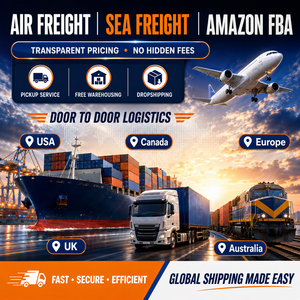
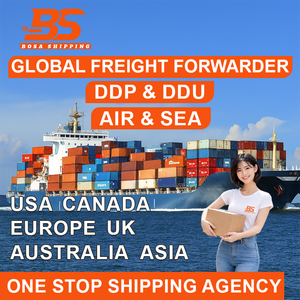
End-to-End DDP Air & Sea Consolidation: Seamless LCL and FCL door-to-door services from major manufacturing hubs in Asia, Europe, and North America straight to Moroccan industrial destinations with zero hidden fees.
Real-Time Digital Visibility: Complete GPS fleet monitoring, automated status milestones, and transparent digital customs documentation accessible 24/7.
Trade Intelligence
Frequently Asked Questions (FAQ) for Morocco Trade
What is the procedure for obtaining a Certificate of Conformity (CoC) for imports into Morocco?
Under the mandatory conformity program enforced by the Ministry of Industry and Commerce (MCINET), specified industrial goods must undergo inspection and receive a Certificate of Conformity (CoC) prior to departure at origin or upon arrival at border ports. Our advisory team coordinates with accredited inspection bodies (such as Bureau Veritas, SGS, TUV, or Cotecna) to ensure testing according to Moroccan Norms (NM) and seamless upload of compliance files to the PortNet portal.
How do Economic Customs Regimes (RDE) benefit OEM/ODM manufacturers operating in Moroccan Free Zones?
RDE schemes, such as Inward Processing (ATPA - Admission Temporaire pour Perfectionnement Actif), allow Moroccan manufacturers to import raw materials, components, and packaging duty-free and VAT-free, provided the finished products are re-exported within a specified timeframe (typically 1 to 2 years). Our customs advisory structures bank guarantees, registers declarations in the BADR system, and manages discharge audits to maintain optimal liquidity and compliance.
What is the advantage of DDP (Delivered Duty Paid) shipping over DDU or CIF terms for Moroccan buyers?
DDP terms shift full responsibility for import clearance, customs duties, port handling fees, local taxes (VAT), and final inland transport onto the freight provider. For Moroccan buyers and foreign exporters unfamiliar with ADII regulations, our DDP solutions eliminate unexpected costs, mitigate regulatory risks, and guarantee fixed delivery timelines to any door across the Kingdom.
How are preferential origin status rules verified under the EU-Morocco Free Trade Agreement?
Preferential tariff treatment (zero or reduced customs duties) requires a valid EUR.1 or EUR-MED Movement Certificate issued by exporting customs authorities or an Approved Exporter declaration. Our advisory consultants conduct origin audits to verify that manufacturing processes satisfy specific working or processing requirements (such as value-addition thresholds or HS tariff shift rules) stipulated in the pan-Euro-Mediterranean protocol.
What multimodal freight options connect Asian manufacturing hubs to Moroccan ports?
We offer flexible Ocean FCL/LCL direct services to Tanger Med and Casablanca ports, express Air Freight routing via major international hubs, and hybrid Sea-Air multimodal solutions. For urgent industrial components, our expedited Air Freight DDP channels provide door-to-door delivery within 3 to 5 business days, complete with priority customs clearance.
Optimize Your Moroccan Supply Chain & Customs Compliance
Partner with an industry leader backed by 25+ years of customs brokerage, owned heavy transport infrastructure, and direct ADII integration. Contact our advisory team today for customized OEM/ODM procurement strategies and instant catalog access.