Next-Gen Sea Freight Forwarding & Global Ocean Logistics Architecture

Engineered for global enterprise buyers seeking high-value information gain, end-to-end container visibility, cost optimization across FCL/LCL routes, and streamlined Saudi customs clearing at King Abdul Aziz Port, Dammam.

Contact Us
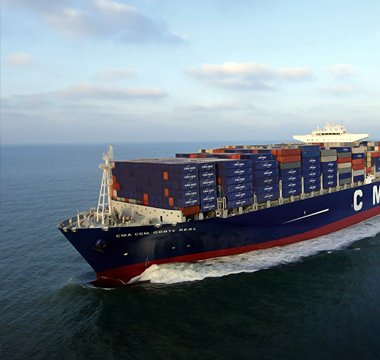
Sea Freight Forwarding Vessel Container Ship - Bluemax Cargo Co.
25+ Years of
Excellence

Sea Freight Forwarding Reinvented for Global Procurement Standards

In an era defined by volatile maritime trade routes, unpredictable bunker fuel surcharges, and shifting global geopolitical corridors, enterprise procurement leaders demand more than traditional booking agents. Bluemax Cargo Co. operates as a non-vessel operating common carrier (NVOCC) and licensed master freight forwarder headquartered in Dammam, Saudi Arabia. We deliver structured information gain, risk mitigation strategies, and high-density ocean freight carrier integration across major global trade lines.

Whether you are managing complex supply chains spanning the Asia-Pacific maritime network, cross-trading across European hubs, or importing critical industrial infrastructure through Arabian Gulf ports, our sea freight forwarding frameworks prioritize route optimization, landed-cost transparency, and zero-delay regulatory compliance.

FCL & LCL Solutions

Full Container Load (20' GP, 40' HC) and Less than Container Load groupage with guaranteed space protection.

Explore FCL/LCL

Customs & Compliance

Seamless Fasah portal integration, SASO compliance, and swift tariff classification at Dammam Port.

Learn Customs

Recommended Sea Freight Forwarding Modes for Global Buyers

Navigating maritime carrier alliances (2M, Ocean Alliance, THE Alliance) requires tailored container strategies. Bluemax Cargo Co. provides engineered product modes designed around cargo weight, volumetric density, temperature sensitivity, and urgency.

Full Container Load FCL Sea Freight Forwarding

Full Container Load (FCL)

Ideal for high-volume procurement requiring exclusive container utilization. We offer 20ft Standard, 40ft Standard, 40ft High Cube, and 45ft High Cube dry containers with tier-1 carrier space allocation guarantees and fixed sailing schedules.

Less Container Load LCL Sea Freight Forwarding Consolidation

LCL Consolidation (Groupage)

Cost-efficient ocean shipping for smaller cargo volumes. Our owned consolidation hubs group shipments to optimize volumetric pricing (CBM vs metric ton), reducing landed transport costs without sacrificing transit velocity.

Temperature Controlled Reefer Sea Freight Shipping

Cold Chain & Reefer Cargo

Precision temperature-controlled ocean freight forwarding for pharmaceuticals, perishable foodstuffs, and sensitive chemicals. Features active atmosphere monitoring and real-time IoT temperature telematics.

Breakbulk Project Cargo Sea Freight Forwarding

Project Cargo & Breakbulk

Engineered sea freight solutions for Out-of-Gauge (OOG) industrial equipment, heavy machinery, flat racks, open tops, and charter vessels tailored for energy, construction, and infrastructure sectors.

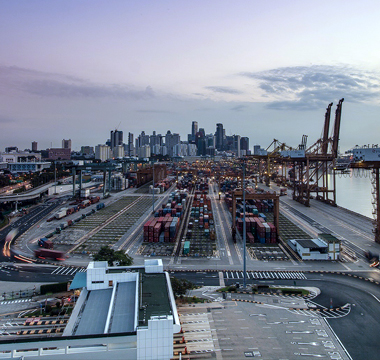
Bluemax Cargo Co Operational Logistics Center Dammam
140+
Owned
Fleet Vehicles

Why Global Procurement Officers Trust Bluemax Cargo Co.

Selecting a sea freight forwarding partner is a high-stakes decision directly affecting cash flow, production lead times, and client customer satisfaction. Bluemax Cargo Co. stands out in the international logistics domain by combining quarter-century-long operational experience with advanced infrastructure assets.

Deep Middle Eastern Gateway Mastery & Global Reach

Operating directly out of Dammam, Saudi Arabia, we command direct operational priority at King Abdul Aziz Port and Jubail Commercial Port. Our global strategic partnerships extend across 110+ countries, offering seamless origin-to-destination coverage across Asia, Europe, North America, and Africa.

Integrated Multimodal Fleet (140+ Owned Vehicles)

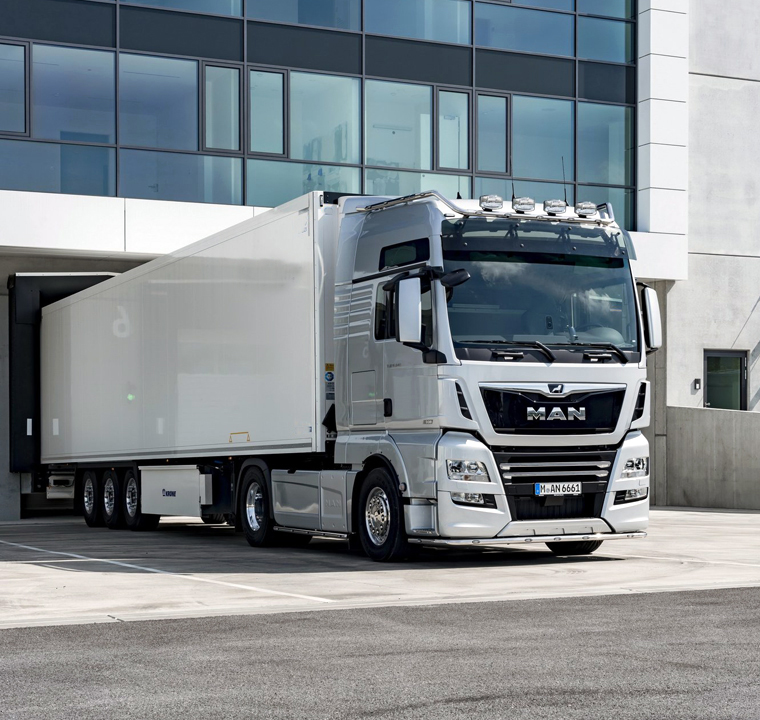
Unlike asset-light brokerages, Bluemax Cargo Co. maintains an in-house fleet of over 140 heavy-duty trucks, trailers, flatbeds, and low-bed haulers. This guarantees immediate drayage, port-to-warehouse transfers, and cross-border land transport without reliance on volatile third-party trucking markets.

Industrial Packaging & Re-Packaging Protocol

Ocean transit subjects cargo to severe environmental factors including humidity, salt fog, and dynamic forces during vessel pitch and roll. We offer custom seaworthy timber crating, vacuum-sealed barrier packaging, heat-treated ISPM-15 compliant pallets, and specialized container lashing.

On-Time Ocean Clearance & Port Delivery 96%
Global Maritime Carrier Allocation Network 92%
Optimize Your Sea Freight Forwarding Costs Today

Looking for strategic freight contracts, vessel space guarantees during peak season, or instant customs clearance consultation at Saudi ports?

Contact Us

Navigating maritime logistics requires proactive adoption of industry shifts. Global buyers who anticipate regulatory, technological, and environmental trends gain a decisive competitive advantage.

IMO 2030/2050 Green Shipping Protocols

Maritime decarbonization regulations (Carbon Intensity Indicator - CII, Energy Efficiency Existing Ship Index - EEXI) are forcing carriers to slow-steam or transition to dual-fuel (LNG, Green Methanol, Ammonia) vessels. Forwarders must now manage variable carbon surcharges and eco-route selection.

100% Digital Bill of Lading (eBL) Adoption

The Digital Container Shipping Association (DCSA) aims for universal electronic Bill of Lading adoption by 2030. Electronic documentation eliminates physical courier delays, prevents document loss, and accelerates cargo release at destination ports by up to 5 days.

AI-Driven Predictive ETA & Disruption Management

Generative AI models and predictive ocean tracking algorithms are revolutionizing supply chain visibility. Modern sea freight forwarders proactively reroute cargo around port congestion, maritime chokepoint delays (Suez Canal, Bab el-Mandeb), and adverse weather systems.

Nearshoring & Multimodal Shift

Global buyers are restructuring supply chains around regionalized manufacturing hubs. This has increased demand for short-sea shipping (SSS) integrated directly with overland road networks—a core strength of Bluemax Cargo’s 140+ truck fleet infrastructure.

Index-Linked Long-Term Freight Contracting

Traditional fixed-rate annual ocean contracts are giving way to dynamic, index-linked agreements tied to Shanghai Containerized Freight Index (SCFI) or Drewry World Container Index (WCI), protecting buyers from sudden spot rate surges during geopolitical shifts.

Automated Customs & Single-Window Platforms

Port authorities worldwide are digitizing trade clearance. Saudi Arabia’s Saudi Customs (Fasah) platform exemplifies this trend. Automated API integration between forwarders and customs accelerates clearance to less than 24 hours for pre-cleared sea cargo.

Frequently Asked Questions on Sea Freight Forwarding

Expert answers to top questions asked by global supply chain directors, logistics buyers, and search engine users regarding ocean shipping logistics.

Q1: How do I choose between FCL (Full Container Load) and LCL (Less than Container Load) sea freight forwarding?

The decision between FCL and LCL depends on cargo volume, dimensional weight, urgency, and budget constraints. As a rule of thumb, when cargo volume exceeds 13 to 15 cubic meters (CBM), booking a 20-foot Full Container Load (FCL) becomes more cost-effective than Less than Container Load (LCL) on a CBM rate basis. Furthermore, FCL minimizes cargo handling risk because the container is sealed at the origin factory and only opened at the final destination warehouse. Conversely, LCL is ideal for smaller shipments (1 to 12 CBM) where sharing container space significantly lowers baseline freight cost, though it involves additional consolidation/de-consolidation time at CFS (Container Freight Stations).

Q2: What is the difference between Demurrage, Detention, and Storage charges in ocean shipping?

Understanding these three penalty charges is essential for landed-cost control:

  • Demurrage: Fee charged by the shipping line for using the container *inside* the port terminal beyond the agreed free-time days before clearing customs and gate-out.
  • Detention: Fee charged by the carrier for holding the container *outside* the port facility (e.g., at the importer's warehouse) beyond the permitted free-time return window.
  • Port Storage: Fee levied directly by the port terminal authority for space occupied by the container on terminal land. Bluemax Cargo Co. minimizes these fees through expedited pre-customs clearing services at Saudi ports.

Q3: Which Incoterms 2020 are recommended for international sea freight forwarding?

For buyers importing goods via sea freight, FOB (Free on Board) or FCA (Free Carrier) are highly recommended because they grant the buyer complete control over ocean carrier selection, freight rates, routing choices, and marine cargo insurance. Buying under CIF (Cost, Insurance, and Freight) or CFR leaves control in the seller's hands, often leading to inflated destination handling fees (DTHC). For buyers requiring hassle-free, complete door-to-door delivery with taxes paid, DDP (Delivered Duty Paid) is the optimal framework when managed by a forwarder with local customs licensing like Bluemax Cargo Co.

Q4: How long does sea freight transit take from major global ports to Saudi Arabia (Dammam / Jeddah)?

Typical sea freight transit times vary by trade route and carrier loop:

  • China / Main East Asia Ports to Dammam Port: 20 – 28 Days (Direct Service).
  • South East Asia (Singapore / Port Klang) to Dammam: 12 – 18 Days.
  • Northern Europe (Rotterdam / Hamburg) to Dammam: 22 – 30 Days.
  • US East Coast (New York / Savannah) to Dammam: 30 – 40 Days.

Note: Local customs clearance at Dammam Port takes approximately 24 to 48 hours when documentation is properly processed in advance through the Saudi Fasah system by Bluemax Cargo Co.

Q5: Why is Marine Freight Insurance mandatory when shipping via Sea Freight Forwarding?

Under international maritime law (The Hague-Visby Rules and Hamburg Rules), ocean ocean carriers operate under limited legal liability frameworks—often capped at standard SDR (Special Drawing Rights) limits per package or kilogram (typically around $2.00/kg). In cases of maritime events such as "General Average" (where cargo must be jettisoned or vessel salvage costs are shared among all cargo owners), uninsured shippers must contribute financially to release undamaged goods. Comprehensive Marine Cargo Insurance (All Risks ICC Clause A) protects your total asset value against loss, damage, theft, or jettison.

Q6: How does Bluemax Cargo Co. manage hazardous materials (HAZMAT) and dangerous goods sea freight?

We employ certified International Maritime Dangerous Goods (IMDG) cargo specialists. Our team handles complete IMO declaration documentation, correct hazard labeling (Classes 1 through 9), UN-approved seaworthy packaging, and secures carrier booking acceptance for hazardous substances passing through Middle Eastern ports.

Ready to Streamline Your International Sea Freight Supply Chain?

Contact our senior maritime logistics specialists today for competitive FCL/LCL ocean freight rates, customized project cargo engineering, or Saudi customs clearance support.

Contact Us